
.svg)
.avif)
School camp is one of the best things on the Year 4–10 calendar — three to five days of cabins, raft-building, abseiling, friendship-forming, and eating their own body weight in sausages. It's also a real first for many families: first night away from home, first packed bag your child has assembled themselves, first time you genuinely don't know how the day went until they get back. This guide gives you the four practical things to do in the seven days before drop-off so the trip is fun for them and calm for you.
Quick answer
To prepare your child for school camp, do four things in the week before drop-off: set clear expectations about what camp will be like, pack and label belongings together, brief your child on the camp's rules and behaviour expectations, and confirm the medical and safety paperwork. Each one takes 15–30 minutes. Done together, they convert pre-camp nerves into pre-camp anticipation, and they head off the three or four small problems (lost gear, missed medication, "I didn't know we couldn't do that") that turn an otherwise good camp into a phone call home.
How do I set clear expectations of camp for my child?
Sit down on the couch a week out and walk through what camp will actually look like — the daily schedule, the cabin set-up, the activities, mealtimes, lights-out, who their cabin teachers are. Most schools send a camp itinerary with the consent form; print it out and read it together. Acknowledge that some nerves are normal and expected, especially around the first night. Tell them what to do if they feel homesick (talk to a teacher, write a note, the homesick wave usually passes after the first activity). Reassure them that you can't take a phone but the school can call you if it's genuinely needed. The aim isn't to over-prepare — it's to remove the unknown so anticipation can take over.
How should we pack and label belongings for school camp?
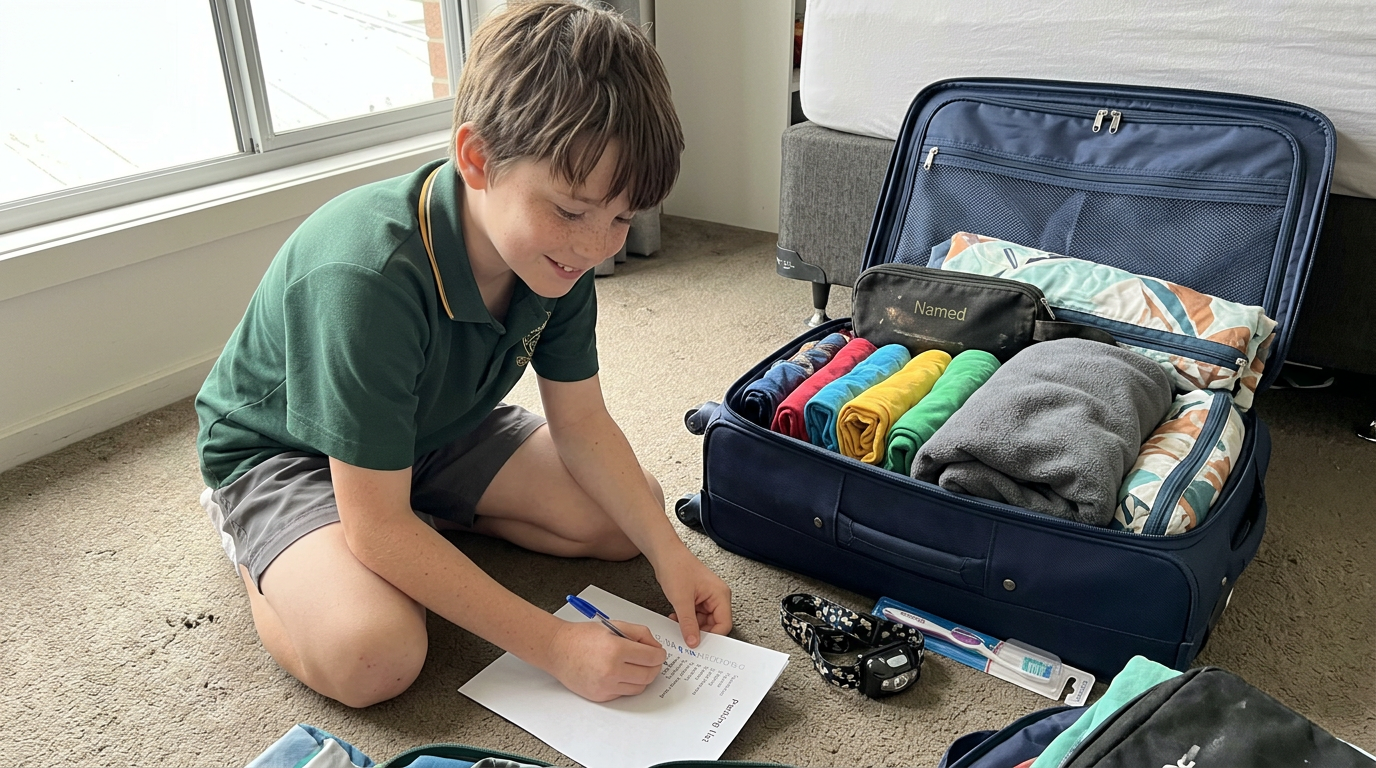
Get your child involved in the packing — don't do it for them. Lay out everything from the school's packing list on the bedroom floor in piles (clothes, sleeping, toiletries, activity gear) and let your child put each pile into the suitcase. Use a permanent marker on every loose item: t-shirts, jumpers, socks, water bottle, head torch. Sleeping-bag liners, pillow cases, raincoats — all labelled. Roll, don't fold — saves about 30 percent of bag space and makes it easier for kids to find things in the cabin. Pack one daypack for the bus with snacks, water, sunscreen, and a book. Keep the camp medical form, EpiPen, asthma puffer, or any prescription medication in a clear ziplock at the top of the daypack so the camp staff can find it instantly on arrival.
Pack the bag with your child, not for them. They need to know where their things are when they're in a cabin at 9pm and the lights have just gone out.
How do I brief my child about the camp's rules and expectations?
Most schools send a camp behaviour expectations sheet with the consent form — read it together. The basics on every camp: no phones, no devices, lights-out by the stated time, listen to the cabin teachers, no leaving the activity area without a buddy and a teacher's permission, treat the equipment like it's borrowed (because it is). Special-circumstance rules to flag: if there's a swimming or water activity, your child needs to listen to the lifeguard literally the first time; if there's a high-ropes course, the harness rules are non-negotiable. Make the conversation a calm 10 minutes, not a lecture. End with: "If you're ever not sure, ask the teacher — that's what they're there for."
What health and safety paperwork do I need to confirm before camp?
A week out, double-check the camp medical form is fully filled out — current medications, dosages, allergies, GP contact, Medicare card number, ambulance cover. If your child takes prescription medication (asthma puffer, EpiPen, ADHD medication, antibiotics on the day), put it in a clear, labelled ziplock with written instructions and hand it to the teacher in person at drop-off. If your child has had any health changes since the form was originally signed (recent illness, new diagnosis, new prescription), email the school. Confirm vaccinations are up-to-date per your GP's schedule, especially if camp involves contact with farm animals or remote bushland. Save the camp's emergency contact number to your phone — most parents never need it, but it's the thing you want when you do.
Pre-camp checklist — the 7-day countdown
| Day before camp | What to do |
|---|---|
| Day 7 | Read the camp itinerary together; talk through expectations |
| Day 5 | Buy any missing gear (sleeping-bag liner, head torch, raincoat) |
| Day 4 | Confirm medical form, prescriptions in ziplock |
| Day 3 | Brief on camp rules; answer any anxious questions |
| Day 2 | Pack with your child, label everything, roll clothes |
| Day 1 | Early bedtime; pack the daypack for the bus |
| Drop-off | Hand prescription bag to teacher in person; calm goodbye |
So how do I help my child have a great school camp?
Set expectations in the week before drop-off, pack and label everything together, brief on rules calmly, and confirm the medical paperwork in person. Camp is one of the best memory-makers in the school year — the prep above protects against the small things, so the big things (mountain views, late-night cabin chats, a kid who comes home a little more independent than they left) can take centre stage. If your child is anxious about being away or struggling with confidence at school more generally, a calm second adult — like a 1-on-1 tutor — can help build the self-trust that makes camp easier. A$65/hr starting, no contracts, online from anywhere in Australia.
Pack the bag with your child, not for them. They need to know where their things are when they're in a cabin at 9pm and the lights have just gone out.
Pack the bag with your child, not for them. They need to know where their things are when they're in a cabin at 9pm and the lights have just gone out.
School camp is one of the best things on the Year 4–10 calendar — three to five days of cabins, raft-building, abseiling, friendship-forming, and eating their own body weight in sausages. It's also a real first for many families: first night away from home, first packed bag your child has assembled themselves, first time you genuinely don't know how the day went until they get back. This guide gives you the four practical things to do in the seven days before drop-off so the trip is fun for them and calm for you.
Quick answer
To prepare your child for school camp, do four things in the week before drop-off: set clear expectations about what camp will be like, pack and label belongings together, brief your child on the camp's rules and behaviour expectations, and confirm the medical and safety paperwork. Each one takes 15–30 minutes. Done together, they convert pre-camp nerves into pre-camp anticipation, and they head off the three or four small problems (lost gear, missed medication, "I didn't know we couldn't do that") that turn an otherwise good camp into a phone call home.
How do I set clear expectations of camp for my child?
Sit down on the couch a week out and walk through what camp will actually look like — the daily schedule, the cabin set-up, the activities, mealtimes, lights-out, who their cabin teachers are. Most schools send a camp itinerary with the consent form; print it out and read it together. Acknowledge that some nerves are normal and expected, especially around the first night. Tell them what to do if they feel homesick (talk to a teacher, write a note, the homesick wave usually passes after the first activity). Reassure them that you can't take a phone but the school can call you if it's genuinely needed. The aim isn't to over-prepare — it's to remove the unknown so anticipation can take over.
How should we pack and label belongings for school camp?
Get your child involved in the packing — don't do it for them. Lay out everything from the school's packing list on the bedroom floor in piles (clothes, sleeping, toiletries, activity gear) and let your child put each pile into the suitcase. Use a permanent marker on every loose item: t-shirts, jumpers, socks, water bottle, head torch. Sleeping-bag liners, pillow cases, raincoats — all labelled. Roll, don't fold — saves about 30 percent of bag space and makes it easier for kids to find things in the cabin. Pack one daypack for the bus with snacks, water, sunscreen, and a book. Keep the camp medical form, EpiPen, asthma puffer, or any prescription medication in a clear ziplock at the top of the daypack so the camp staff can find it instantly on arrival.
Pack the bag with your child, not for them. They need to know where their things are when they're in a cabin at 9pm and the lights have just gone out.
How do I brief my child about the camp's rules and expectations?
Most schools send a camp behaviour expectations sheet with the consent form — read it together. The basics on every camp: no phones, no devices, lights-out by the stated time, listen to the cabin teachers, no leaving the activity area without a buddy and a teacher's permission, treat the equipment like it's borrowed (because it is). Special-circumstance rules to flag: if there's a swimming or water activity, your child needs to listen to the lifeguard literally the first time; if there's a high-ropes course, the harness rules are non-negotiable. Make the conversation a calm 10 minutes, not a lecture. End with: "If you're ever not sure, ask the teacher — that's what they're there for."
What health and safety paperwork do I need to confirm before camp?
A week out, double-check the camp medical form is fully filled out — current medications, dosages, allergies, GP contact, Medicare card number, ambulance cover. If your child takes prescription medication (asthma puffer, EpiPen, ADHD medication, antibiotics on the day), put it in a clear, labelled ziplock with written instructions and hand it to the teacher in person at drop-off. If your child has had any health changes since the form was originally signed (recent illness, new diagnosis, new prescription), email the school. Confirm vaccinations are up-to-date per your GP's schedule, especially if camp involves contact with farm animals or remote bushland. Save the camp's emergency contact number to your phone — most parents never need it, but it's the thing you want when you do.
Pre-camp checklist — the 7-day countdown
| Day before camp | What to do |
|---|---|
| Day 7 | Read the camp itinerary together; talk through expectations |
| Day 5 | Buy any missing gear (sleeping-bag liner, head torch, raincoat) |
| Day 4 | Confirm medical form, prescriptions in ziplock |
| Day 3 | Brief on camp rules; answer any anxious questions |
| Day 2 | Pack with your child, label everything, roll clothes |
| Day 1 | Early bedtime; pack the daypack for the bus |
| Drop-off | Hand prescription bag to teacher in person; calm goodbye |
So how do I help my child have a great school camp?
Set expectations in the week before drop-off, pack and label everything together, brief on rules calmly, and confirm the medical paperwork in person. Camp is one of the best memory-makers in the school year — the prep above protects against the small things, so the big things (mountain views, late-night cabin chats, a kid who comes home a little more independent than they left) can take centre stage. If your child is anxious about being away or struggling with confidence at school more generally, a calm second adult — like a 1-on-1 tutor — can help build the self-trust that makes camp easier. A$65/hr starting, no contracts, online from anywhere in Australia.
FAQ
.svg)
.svg)
Online maths tutoring at Tutero is catering to students of all year levels. We offer programs tailored to the unique learning curves of each age group.
We also have expert NAPLAN and ATAR subject tutors, ensuring students are well-equipped for these pivotal assessments.
We recommend at least two to three session per week for consistent progress. However, this can vary based on your child's needs and goals.
Our platform uses advanced security protocols to ensure the safety and privacy of all our online sessions.
Parents are welcome to observe sessions. We believe in a collaborative approach to education.
We provide regular progress reports and assessments to track your child’s academic development.
Yes, we prioritise the student-tutor relationship and can arrange a change if the need arises.
Yes, we offer a range of resources and materials, including interactive exercises and practice worksheets.
Pack the bag with your child, not for them. They need to know where their things are when they're in a cabin at 9pm and the lights have just gone out.
Pack the bag with your child, not for them. They need to know where their things are when they're in a cabin at 9pm and the lights have just gone out.

Pack the bag with your child, not for them. They need to know where their things are when they're in a cabin at 9pm and the lights have just gone out.
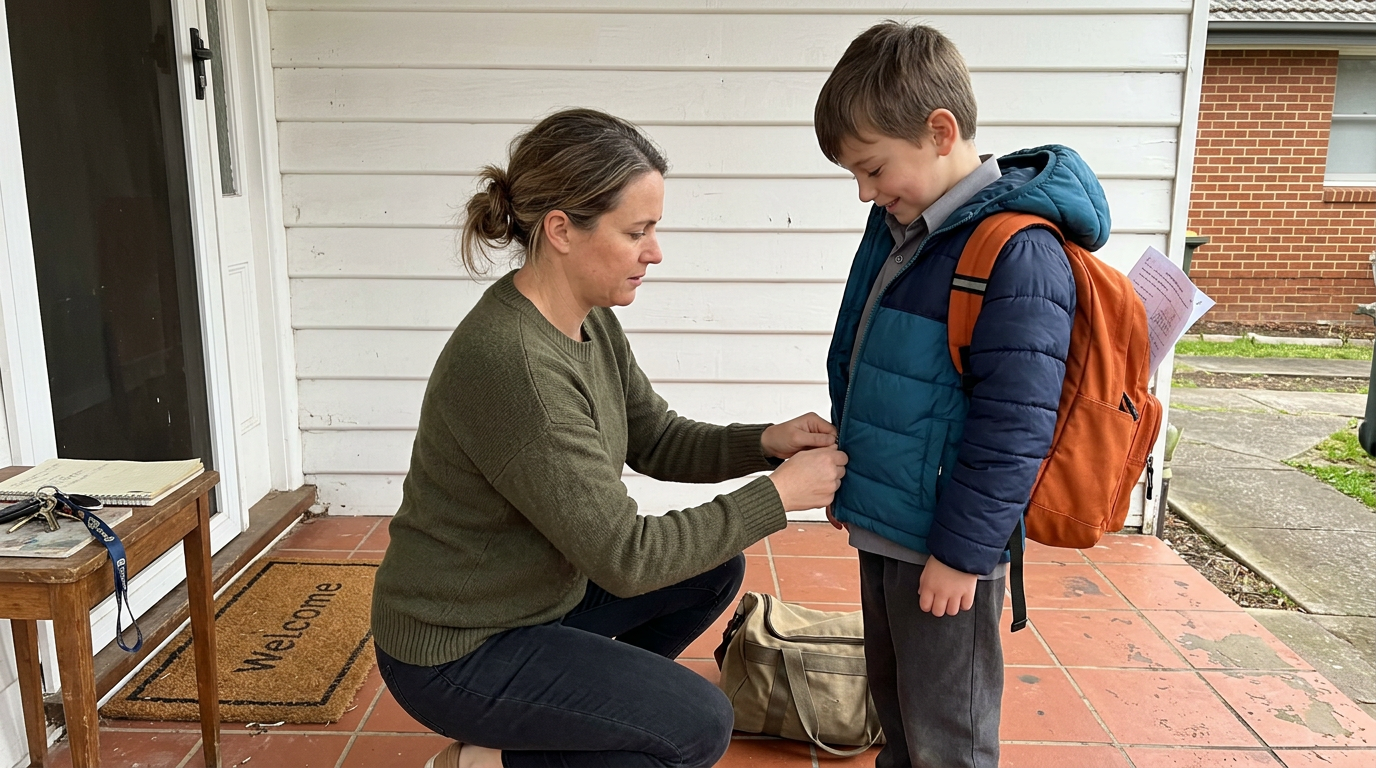
Hand the prescription bag to the teacher in person at drop-off. A clearly labelled ziplock saves the panicked phone call on day two.
School camp is one of the best things on the Year 4–10 calendar — three to five days of cabins, raft-building, abseiling, friendship-forming, and eating their own body weight in sausages. It's also a real first for many families: first night away from home, first packed bag your child has assembled themselves, first time you genuinely don't know how the day went until they get back. This guide gives you the four practical things to do in the seven days before drop-off so the trip is fun for them and calm for you.
Quick answer
To prepare your child for school camp, do four things in the week before drop-off: set clear expectations about what camp will be like, pack and label belongings together, brief your child on the camp's rules and behaviour expectations, and confirm the medical and safety paperwork. Each one takes 15–30 minutes. Done together, they convert pre-camp nerves into pre-camp anticipation, and they head off the three or four small problems (lost gear, missed medication, "I didn't know we couldn't do that") that turn an otherwise good camp into a phone call home.
How do I set clear expectations of camp for my child?
Sit down on the couch a week out and walk through what camp will actually look like — the daily schedule, the cabin set-up, the activities, mealtimes, lights-out, who their cabin teachers are. Most schools send a camp itinerary with the consent form; print it out and read it together. Acknowledge that some nerves are normal and expected, especially around the first night. Tell them what to do if they feel homesick (talk to a teacher, write a note, the homesick wave usually passes after the first activity). Reassure them that you can't take a phone but the school can call you if it's genuinely needed. The aim isn't to over-prepare — it's to remove the unknown so anticipation can take over.
How should we pack and label belongings for school camp?
Get your child involved in the packing — don't do it for them. Lay out everything from the school's packing list on the bedroom floor in piles (clothes, sleeping, toiletries, activity gear) and let your child put each pile into the suitcase. Use a permanent marker on every loose item: t-shirts, jumpers, socks, water bottle, head torch. Sleeping-bag liners, pillow cases, raincoats — all labelled. Roll, don't fold — saves about 30 percent of bag space and makes it easier for kids to find things in the cabin. Pack one daypack for the bus with snacks, water, sunscreen, and a book. Keep the camp medical form, EpiPen, asthma puffer, or any prescription medication in a clear ziplock at the top of the daypack so the camp staff can find it instantly on arrival.
Pack the bag with your child, not for them. They need to know where their things are when they're in a cabin at 9pm and the lights have just gone out.
How do I brief my child about the camp's rules and expectations?
Most schools send a camp behaviour expectations sheet with the consent form — read it together. The basics on every camp: no phones, no devices, lights-out by the stated time, listen to the cabin teachers, no leaving the activity area without a buddy and a teacher's permission, treat the equipment like it's borrowed (because it is). Special-circumstance rules to flag: if there's a swimming or water activity, your child needs to listen to the lifeguard literally the first time; if there's a high-ropes course, the harness rules are non-negotiable. Make the conversation a calm 10 minutes, not a lecture. End with: "If you're ever not sure, ask the teacher — that's what they're there for."
What health and safety paperwork do I need to confirm before camp?
A week out, double-check the camp medical form is fully filled out — current medications, dosages, allergies, GP contact, Medicare card number, ambulance cover. If your child takes prescription medication (asthma puffer, EpiPen, ADHD medication, antibiotics on the day), put it in a clear, labelled ziplock with written instructions and hand it to the teacher in person at drop-off. If your child has had any health changes since the form was originally signed (recent illness, new diagnosis, new prescription), email the school. Confirm vaccinations are up-to-date per your GP's schedule, especially if camp involves contact with farm animals or remote bushland. Save the camp's emergency contact number to your phone — most parents never need it, but it's the thing you want when you do.
Pre-camp checklist — the 7-day countdown
| Day before camp | What to do |
|---|---|
| Day 7 | Read the camp itinerary together; talk through expectations |
| Day 5 | Buy any missing gear (sleeping-bag liner, head torch, raincoat) |
| Day 4 | Confirm medical form, prescriptions in ziplock |
| Day 3 | Brief on camp rules; answer any anxious questions |
| Day 2 | Pack with your child, label everything, roll clothes |
| Day 1 | Early bedtime; pack the daypack for the bus |
| Drop-off | Hand prescription bag to teacher in person; calm goodbye |
So how do I help my child have a great school camp?
Set expectations in the week before drop-off, pack and label everything together, brief on rules calmly, and confirm the medical paperwork in person. Camp is one of the best memory-makers in the school year — the prep above protects against the small things, so the big things (mountain views, late-night cabin chats, a kid who comes home a little more independent than they left) can take centre stage. If your child is anxious about being away or struggling with confidence at school more generally, a calm second adult — like a 1-on-1 tutor — can help build the self-trust that makes camp easier. A$65/hr starting, no contracts, online from anywhere in Australia.
Pack the bag with your child, not for them. They need to know where their things are when they're in a cabin at 9pm and the lights have just gone out.
Hand the prescription bag to the teacher in person at drop-off. A clearly labelled ziplock saves the panicked phone call on day two.
Follow the school's printed packing list as your spine — they know the camp's actual conditions. Always include a sleeping-bag liner, head torch, raincoat, two pairs of closed shoes (one for water activities), labelled water bottle, and a small daypack. Roll clothes instead of folding to save space. Label every loose item with permanent marker.
Acknowledge that some nerves are normal — don't dismiss them. Walk through the camp itinerary together so the unknown shrinks. Tell them homesickness usually passes after the first activity. Pack one small comfort item (a book, a soft toy if age-appropriate). Reassure that the school can call you if it's genuinely needed. Avoid promising to come pick them up early — that often makes the anxiety worse.
Most schools require a current medical form covering: prescription medications and dosages, allergies (food, environmental, insect), asthma puffer or EpiPen instructions, GP contact, Medicare card number, ambulance cover. Hand prescription medications to the teacher in person at drop-off in a clearly labelled ziplock with written instructions.
Almost no school camps allow phones. The school's emergency number is your contact line — save it to your phone and trust the school to call if needed. The phone-free environment is part of why camps work; don't try to negotiate around it.
Print the camp itinerary and walk through it together. Talk about the activities they're looking forward to and the bits they're unsure about. Practise sleeping in a sleeping bag at home one night beforehand. Reassure that homesickness is normal and tell them the strategies to use (talk to a teacher, write a letter, get back into the activity). Confidence-building outside camp also helps — a tutor, sports coach, or club leader who's built up your child's self-trust pays back here.
Tell the school in writing well before camp, even if it's already on the medical form. Ask the camp coordinator to confirm the kitchen has noted it. For severe allergies, send an EpiPen (or two), instructions, and ensure your child knows to tell every adult they speak to at camp about the allergy. Pack a few safe snacks in the daypack as a backup.
Hoping to improve confidence & grades?

.png)


