
.svg)

Discovering what genuinely interests your child is the single fastest way to lift motivation, build confidence, and turn homework battles into curiosity. Below is a five-step guide Australian parents use — drawing on what teachers see in class, what works at home on weekends, and what one-to-one tutors notice in their first few sessions with a new student.
Quick answer
Watch what your child returns to without being told — the show they re-watch, the topic they raise at dinner, the activity they ask to do at the weekend. Then triangulate: ask their teacher what subject lights them up in class, ask your child directly (in a low-stakes way), and try two or three new activities together over the next month. Interests in primary and lower-secondary students change every few months, so review the list each term. A weekly one-to-one tutor often spots an interest a parent hasn't noticed because the child opens up in a one-on-one setting they don't get in class.
How can my child's teacher help me find their interests?
Teachers see your child for six hours a day across multiple subjects — they have a more complete picture of what genuinely engages your child than you can get from one weekend at home. The two questions worth asking at the next parent-teacher interview (or in a short email): "Which subject does Mia ask the most questions in?" and "What does she choose when she's given free choice in class?" The answers reveal genuine interest rather than parental hope. Teachers also notice peer-driven interests (the friend group's current obsession) that often translate into a real long-term interest in primary and lower-secondary students.
Should I just ask my child what they're interested in?
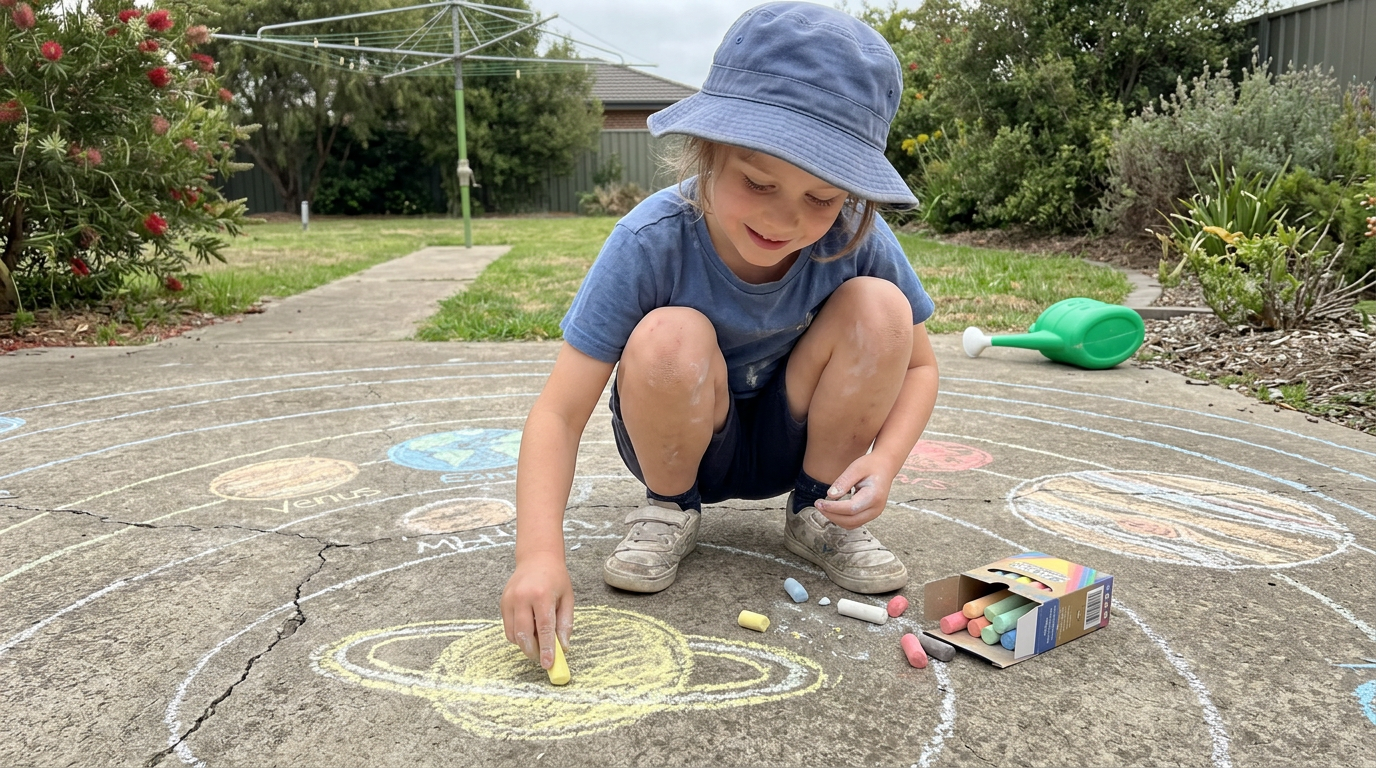
Yes — but in a low-stakes, side-by-side moment, not as a sit-down interview. Children are far more likely to open up while you're driving them somewhere, walking the dog, or doing a chore together than across a kitchen table. Useful prompts that actually surface interests: "What part of school today did you enjoy?", "If you could spend a Saturday doing anything, what would you do?", and "Which YouTube channel or game have you been into lately?" Listen for what they bring up unprompted afterwards — that's the genuine signal. The interview format almost always returns the answer they think you want to hear.
What clues around the house show my child's interests?
Walk through your house on a Saturday morning and notice what's already there: the books re-read until the spines are broken, the toys still being played with, the YouTube channels in your TV's "recently watched", the apps your child opens first on the iPad. Children gravitate to what genuinely interests them when no adult is directing their time. A primary-school child playing for two hours on Roblox isn't a problem — it's information; the building, role-playing, or strategy aspect they're engaging with is the interest worth surfacing. Lower-secondary students often show their interests through what they decorate their bedroom with — band posters, sports kit, art they made in class.
What new activities should I try with my child to find their interests?
Try two or three structured activities and two or three unstructured ones over a month. Structured: a school holiday workshop (coding, drama, cooking, basketball), a free trial term at a local club, a one-day excursion to a museum or art gallery. Unstructured: a Saturday morning at a hardware store letting them pick a project, a couple of hours at a library letting them choose any books they want, an afternoon outside with a bag of footy balls, basketballs, and tennis balls letting them pick. Watch which they ask to do again. The repeat ask is the interest signal — not the initial enthusiasm.
How often do children's interests change, and is that a problem?
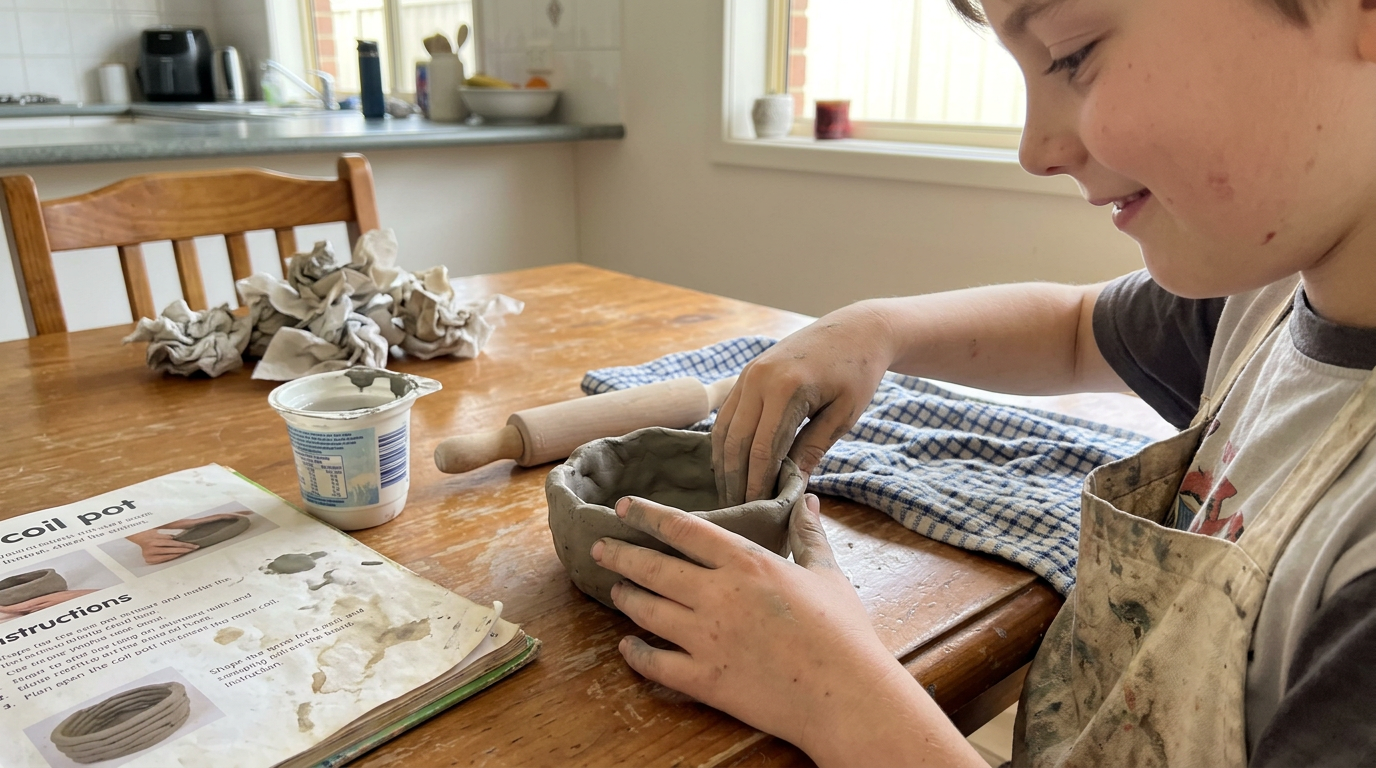
Interests change every three to six months in primary, every six to twelve months in lower secondary, and stabilise into longer-term passions through the senior years. Frequent change isn't a problem — it's how your child works out what they want to keep. Treat each interest as a season, not a forever commitment. The Year-3 child obsessed with dinosaurs becomes the Year-7 child obsessed with palaeontology becomes the Year-11 student doing top-band Biology. Build the muscle of trying, dropping, and trying again — then notice the interests that survive across two or three "seasons". Those are the ones worth investing in.
Bottom line: how do I find what my child genuinely cares about?
Ask the teacher, ask your child casually, watch what they return to without being told, try a handful of new activities, and review the picture each term. Interests are signals, not life plans. The goal isn't to find the one thing your child will do for the rest of their life — it's to keep the door open to a few real curiosities at a time and back them with the time, equipment, and (if it helps) a one-to-one tutor who can connect schoolwork to what they already care about. From A$65/hour, no contracts.
Discovering what genuinely interests your child is the single fastest way to lift motivation, build confidence, and turn homework battles into curiosity. Below is a five-step guide Australian parents use — drawing on what teachers see in class, what works at home on weekends, and what one-to-one tutors notice in their first few sessions with a new student.
Quick answer
Watch what your child returns to without being told — the show they re-watch, the topic they raise at dinner, the activity they ask to do at the weekend. Then triangulate: ask their teacher what subject lights them up in class, ask your child directly (in a low-stakes way), and try two or three new activities together over the next month. Interests in primary and lower-secondary students change every few months, so review the list each term. A weekly one-to-one tutor often spots an interest a parent hasn't noticed because the child opens up in a one-on-one setting they don't get in class.
How can my child's teacher help me find their interests?
Teachers see your child for six hours a day across multiple subjects — they have a more complete picture of what genuinely engages your child than you can get from one weekend at home. The two questions worth asking at the next parent-teacher interview (or in a short email): "Which subject does Mia ask the most questions in?" and "What does she choose when she's given free choice in class?" The answers reveal genuine interest rather than parental hope. Teachers also notice peer-driven interests (the friend group's current obsession) that often translate into a real long-term interest in primary and lower-secondary students.
Should I just ask my child what they're interested in?
Yes — but in a low-stakes, side-by-side moment, not as a sit-down interview. Children are far more likely to open up while you're driving them somewhere, walking the dog, or doing a chore together than across a kitchen table. Useful prompts that actually surface interests: "What part of school today did you enjoy?", "If you could spend a Saturday doing anything, what would you do?", and "Which YouTube channel or game have you been into lately?" Listen for what they bring up unprompted afterwards — that's the genuine signal. The interview format almost always returns the answer they think you want to hear.
What clues around the house show my child's interests?
Walk through your house on a Saturday morning and notice what's already there: the books re-read until the spines are broken, the toys still being played with, the YouTube channels in your TV's "recently watched", the apps your child opens first on the iPad. Children gravitate to what genuinely interests them when no adult is directing their time. A primary-school child playing for two hours on Roblox isn't a problem — it's information; the building, role-playing, or strategy aspect they're engaging with is the interest worth surfacing. Lower-secondary students often show their interests through what they decorate their bedroom with — band posters, sports kit, art they made in class.
What new activities should I try with my child to find their interests?
Try two or three structured activities and two or three unstructured ones over a month. Structured: a school holiday workshop (coding, drama, cooking, basketball), a free trial term at a local club, a one-day excursion to a museum or art gallery. Unstructured: a Saturday morning at a hardware store letting them pick a project, a couple of hours at a library letting them choose any books they want, an afternoon outside with a bag of footy balls, basketballs, and tennis balls letting them pick. Watch which they ask to do again. The repeat ask is the interest signal — not the initial enthusiasm.
How often do children's interests change, and is that a problem?
Interests change every three to six months in primary, every six to twelve months in lower secondary, and stabilise into longer-term passions through the senior years. Frequent change isn't a problem — it's how your child works out what they want to keep. Treat each interest as a season, not a forever commitment. The Year-3 child obsessed with dinosaurs becomes the Year-7 child obsessed with palaeontology becomes the Year-11 student doing top-band Biology. Build the muscle of trying, dropping, and trying again — then notice the interests that survive across two or three "seasons". Those are the ones worth investing in.
Bottom line: how do I find what my child genuinely cares about?
Ask the teacher, ask your child casually, watch what they return to without being told, try a handful of new activities, and review the picture each term. Interests are signals, not life plans. The goal isn't to find the one thing your child will do for the rest of their life — it's to keep the door open to a few real curiosities at a time and back them with the time, equipment, and (if it helps) a one-to-one tutor who can connect schoolwork to what they already care about. From A$65/hour, no contracts.
FAQ
.svg)
.svg)
Online maths tutoring at Tutero is catering to students of all year levels. We offer programs tailored to the unique learning curves of each age group.
We also have expert NAPLAN and ATAR subject tutors, ensuring students are well-equipped for these pivotal assessments.
We recommend at least two to three session per week for consistent progress. However, this can vary based on your child's needs and goals.
Our platform uses advanced security protocols to ensure the safety and privacy of all our online sessions.
Parents are welcome to observe sessions. We believe in a collaborative approach to education.
We provide regular progress reports and assessments to track your child’s academic development.
Yes, we prioritise the student-tutor relationship and can arrange a change if the need arises.
Yes, we offer a range of resources and materials, including interactive exercises and practice worksheets.

Discovering what genuinely interests your child is the single fastest way to lift motivation, build confidence, and turn homework battles into curiosity. Below is a five-step guide Australian parents use — drawing on what teachers see in class, what works at home on weekends, and what one-to-one tutors notice in their first few sessions with a new student.
Quick answer
Watch what your child returns to without being told — the show they re-watch, the topic they raise at dinner, the activity they ask to do at the weekend. Then triangulate: ask their teacher what subject lights them up in class, ask your child directly (in a low-stakes way), and try two or three new activities together over the next month. Interests in primary and lower-secondary students change every few months, so review the list each term. A weekly one-to-one tutor often spots an interest a parent hasn't noticed because the child opens up in a one-on-one setting they don't get in class.
How can my child's teacher help me find their interests?
Teachers see your child for six hours a day across multiple subjects — they have a more complete picture of what genuinely engages your child than you can get from one weekend at home. The two questions worth asking at the next parent-teacher interview (or in a short email): "Which subject does Mia ask the most questions in?" and "What does she choose when she's given free choice in class?" The answers reveal genuine interest rather than parental hope. Teachers also notice peer-driven interests (the friend group's current obsession) that often translate into a real long-term interest in primary and lower-secondary students.
Should I just ask my child what they're interested in?
Yes — but in a low-stakes, side-by-side moment, not as a sit-down interview. Children are far more likely to open up while you're driving them somewhere, walking the dog, or doing a chore together than across a kitchen table. Useful prompts that actually surface interests: "What part of school today did you enjoy?", "If you could spend a Saturday doing anything, what would you do?", and "Which YouTube channel or game have you been into lately?" Listen for what they bring up unprompted afterwards — that's the genuine signal. The interview format almost always returns the answer they think you want to hear.
What clues around the house show my child's interests?
Walk through your house on a Saturday morning and notice what's already there: the books re-read until the spines are broken, the toys still being played with, the YouTube channels in your TV's "recently watched", the apps your child opens first on the iPad. Children gravitate to what genuinely interests them when no adult is directing their time. A primary-school child playing for two hours on Roblox isn't a problem — it's information; the building, role-playing, or strategy aspect they're engaging with is the interest worth surfacing. Lower-secondary students often show their interests through what they decorate their bedroom with — band posters, sports kit, art they made in class.
What new activities should I try with my child to find their interests?
Try two or three structured activities and two or three unstructured ones over a month. Structured: a school holiday workshop (coding, drama, cooking, basketball), a free trial term at a local club, a one-day excursion to a museum or art gallery. Unstructured: a Saturday morning at a hardware store letting them pick a project, a couple of hours at a library letting them choose any books they want, an afternoon outside with a bag of footy balls, basketballs, and tennis balls letting them pick. Watch which they ask to do again. The repeat ask is the interest signal — not the initial enthusiasm.
How often do children's interests change, and is that a problem?
Interests change every three to six months in primary, every six to twelve months in lower secondary, and stabilise into longer-term passions through the senior years. Frequent change isn't a problem — it's how your child works out what they want to keep. Treat each interest as a season, not a forever commitment. The Year-3 child obsessed with dinosaurs becomes the Year-7 child obsessed with palaeontology becomes the Year-11 student doing top-band Biology. Build the muscle of trying, dropping, and trying again — then notice the interests that survive across two or three "seasons". Those are the ones worth investing in.
Bottom line: how do I find what my child genuinely cares about?
Ask the teacher, ask your child casually, watch what they return to without being told, try a handful of new activities, and review the picture each term. Interests are signals, not life plans. The goal isn't to find the one thing your child will do for the rest of their life — it's to keep the door open to a few real curiosities at a time and back them with the time, equipment, and (if it helps) a one-to-one tutor who can connect schoolwork to what they already care about. From A$65/hour, no contracts.
Hoping to improve confidence & grades?

.png)


