
.svg)
.jpeg)
Updated May 2026. Australian families have more online tutoring options than ever — managed services, marketplaces, parent groups, school referrals, and university noticeboards. The hard part isn't finding a name; it's filtering for the one your child will actually engage with. This guide walks you through the main ways parents find online tutors in Australia, what each route is genuinely good at, and the five questions to ask before any first lesson.
Quick answer: where to find online tutors in Australia
Most Australian parents find online tutors through one of three routes: a managed tutoring service that matches a vetted tutor to your child (Tutero is one example), a marketplace where you choose the tutor yourself, or community referrals from your child's school or other parents. Managed services typically cost a little more, but they handle the matching, scheduling, and any tutor changes for you. Marketplaces and community referrals are usually cheaper to start, but the vetting work falls to you.
The three main routes — and what each one is good at
Australian families generally pick from three types of online tutor sources. Each one comes with a different work-load for the parent and a different level of vetting up-front. Knowing which one matches your situation is the most useful filter you can apply.
Managed tutoring services. A real person at the service interviews you, learns about your child, and matches a vetted tutor to your child's year level, subject, and personality. Tutero works this way. Cluey Learning, Tutors Australia and Little Geniuses are also in this category. The trade-off is that you pay for the matching and management. The upside is one point of contact who knows your child, lessons billed only after each session, and someone on the other end of the phone when something needs to change.
Marketplaces. Platforms where individual tutors list their services and you choose between them. Examples include Learnmate and Superprof. You can usually filter by year level, subject, and exam. The trade-off is that vetting is your job — you read profiles, check the credentials, and run the trial — and the relationship is between you and the tutor, not the platform.
Community referrals. A name from another parent, your child's school, a P&C group, a parents' Facebook group, or a university noticeboard. The trust comes from the person making the recommendation rather than from a profile. You'll still want to check that the tutor is qualified for your child's year level and curriculum, but the social vetting is real.
9 places parents look for online tutors
The three main routes are the easiest filter, but parents in Australia search across more channels than that in practice. Here are nine, in roughly the order parents try them, with what each one is genuinely good at.
1. Managed tutoring services
The most straightforward route. Tutero is one example of a managed service. The service vets tutors, runs the matching, handles scheduling, and re-matches if the first tutor isn't the right fit. The trade-off is that you pay for that overhead. The upside is one point of contact who knows your child, and lessons billed only after each session takes place. Best when parents are time-poor or the student is in the senior school years and the cost of a wrong match is high. Tutero matches across qualified Australian tutors for every year level and curriculum.
2. Tutoring marketplaces
Marketplace platforms let you browse tutor profiles, filter by credential, ATAR or year level, and book a tutor directly. You keep full control of the choice. The catch is that vetting depth varies by platform, so you'll need to do some checking yourself. If you go this route, the five-question check later in this guide is non-negotiable.
3. Recommendations from other parents
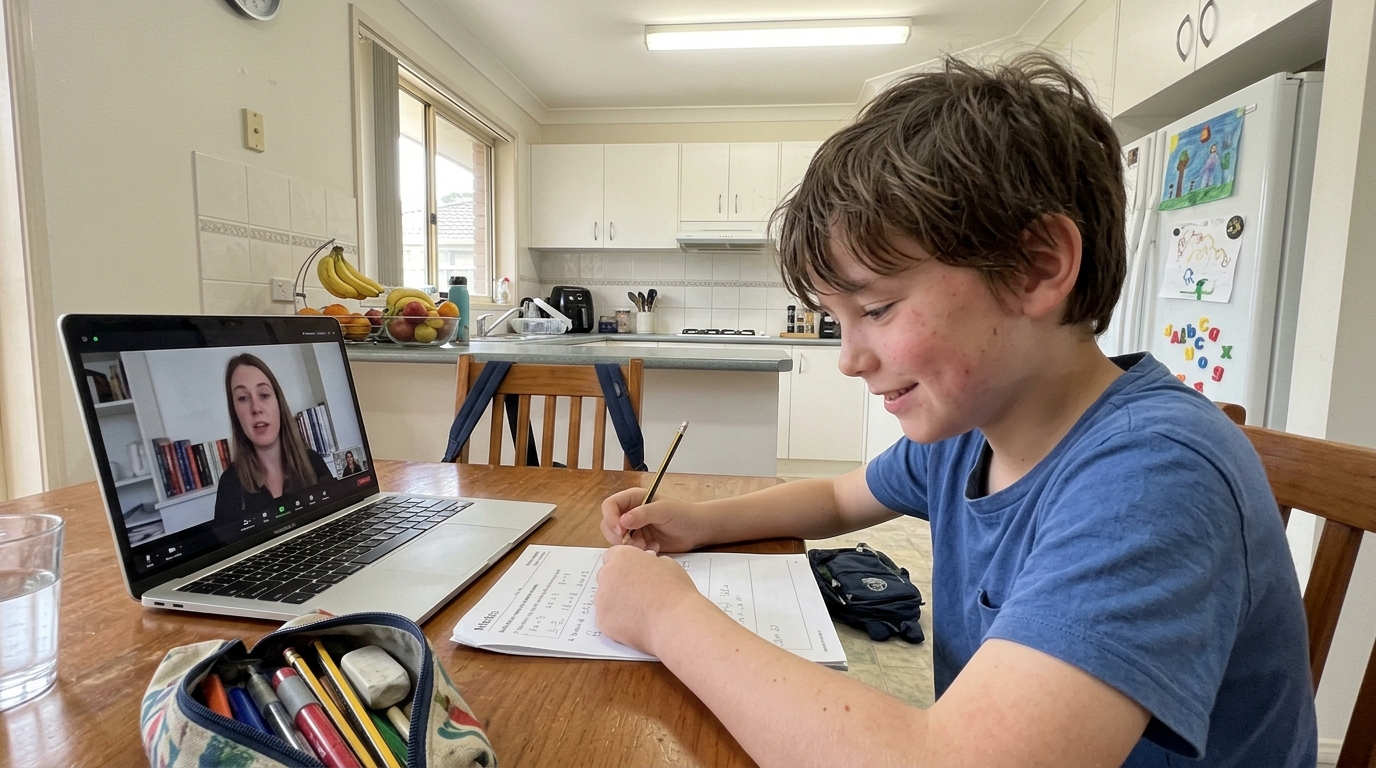
Word-of-mouth from another parent at school, in a P&C group, or in your suburb's parent WhatsApp group beats almost any online review. The tutor has already worked with kids in your child's age group, often at the same school. Ask in: school class chats, sports clubs, after-school activities, and suburb-based parents' Facebook groups. The trust comes from the parent who recommended, not the platform — which is why this route works even though there's no profile to read.
4. Facebook groups and online communities
Australian parent communities like "Parents of High School Students – Australia", state-specific NAPLAN groups, and HSC/VCE subject groups are full of post-and-reply tutor recommendations. Search the group for "tutor" before posting; most threads have already been answered. Cross-reference any name with their LinkedIn or AITSL teacher record — a Facebook recommendation is a starting point, not a credential check.
5. Local classifieds
Bark, Gumtree and Airtasker host individual tutors advertising their services directly. The trade-off is that you're now the recruiter: there's no platform-side qualification check beyond what the tutor wrote on their listing. Use the five-question check, ask for two references, and never skip a trial lesson.
6. Recommendations through your child's school
Many Australian schools keep informal tutor lists, especially for senior years. The class teacher, year-level coordinator, or learning support team is the right person to ask. School-referred tutors usually understand the exact assessment timeline and curriculum your child is on, which is genuinely valuable in HSC, VCE, QCE, SACE and WACE years where pacing matters most.
7. University students and graduate tutors
For senior maths, physics, extension English and other top-of-Year-12 subjects, a recent ATAR-99+ undergraduate can be excellent — especially since they sat the exam in the last 2–3 years. Look on university noticeboards, faculty student Facebook groups, or platforms with student-tutor filters. The trade-off is less teaching experience and higher turnover. Best for students who already have a baseline and need a sharp study partner, rather than a structural rebuild.
8. LinkedIn and professional platforms
A LinkedIn search for "online tutor Australia" or "Year 12 chemistry tutor Sydney" surfaces qualified teachers, retired educators and industry professionals who tutor on the side. Their credentials are usually verifiable in the profile itself. This is the most professional route for senior, exam-bound students, and the worst route for primary-school basics — most LinkedIn tutors aren't there.
9. Homeschooling communities
If you're homeschooling or registered for distance education, dedicated networks (Home Education Network, state-based homeschool Facebook groups) share tutor directories that focus on flexible, curriculum-agnostic teaching. After joining, you'll often receive direct messages from tutors looking for new families — verify credentials before agreeing to a trial lesson.
How much do online tutors cost in Australia?
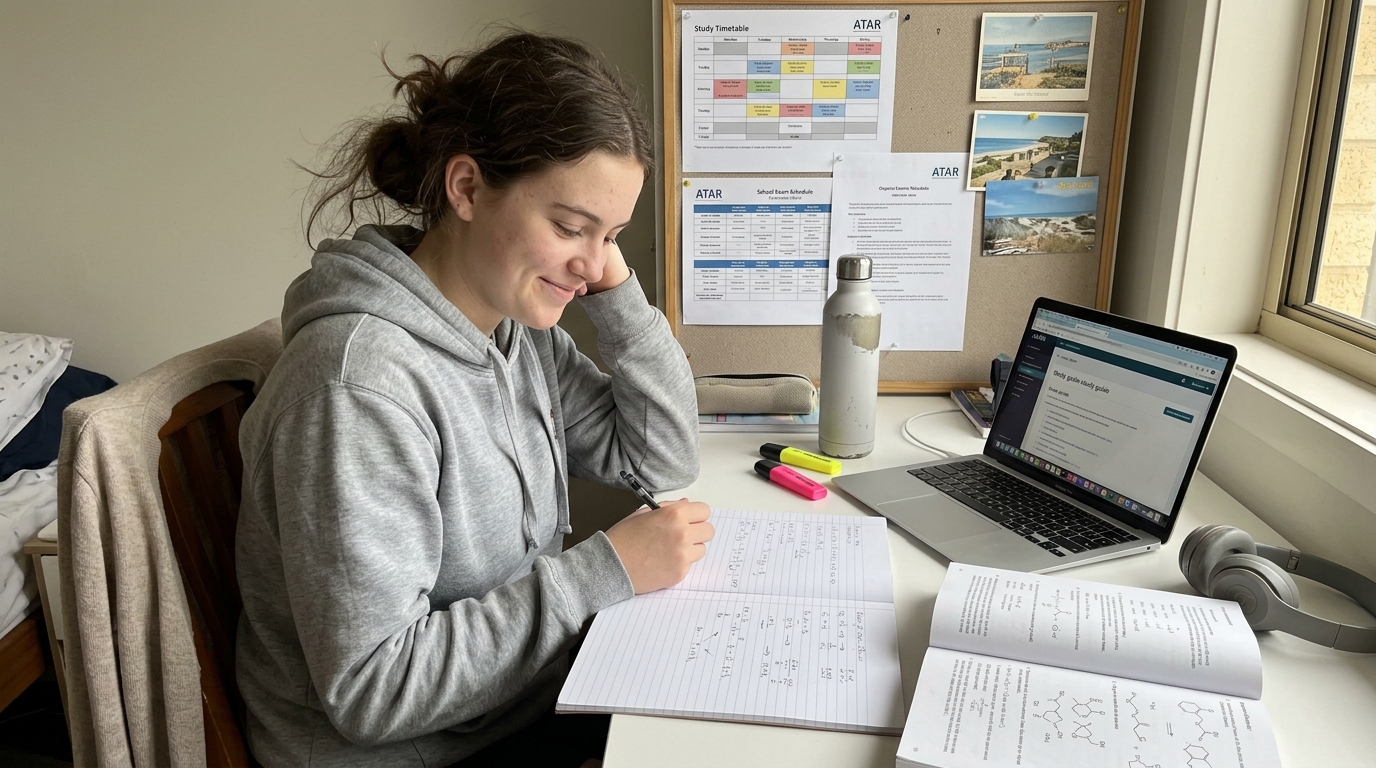
Most qualified online tutors in Australia charge between A$60 and A$95 an hour. Tutero starts at A$65 an hour for one-on-one online lessons. Centre-affiliated and managed services usually sit between A$70 and A$90 an hour. Cheaper rates exist on classifieds and some marketplace listings, but those almost always mean less vetting up-front, less screening of qualifications, and no help if the match doesn't work — you're choosing whether to pay once for the matching, or repeatedly in time spent re-interviewing.
Premiums apply for HSC, VCE, IB and other senior-exam specialists, and for senior subjects like Specialist Mathematics, Chemistry and Physics — expect A$85 to A$120 an hour for a tutor with strong recent results in those subjects. Primary-school tutoring tends to sit at the lower end of the range.
Are online tutors worth it?
For most Australian families with a specific academic goal, yes — provided three conditions are met: the tutor is qualified for what you need, the schedule is weekly and consistent, and the student stays for at least 6 to 8 lessons before you judge progress. The Australian online tutoring market exists at scale because the format works: regional and metropolitan families get access to the same tutor pool, lessons can be recorded for review, and parents can stay in earshot.
The fastest way to misuse a tutor is to book sporadically, mid-term, and the week before an assessment. The tutor isn't a copyeditor for the next test; they're a teaching partner who needs runway to find your child's gaps and close them. Plan for the term, not the test.
What 250,000 lessons tell us about what works
Across more than 250,000 lessons Tutero has delivered to Australian families, the strongest predictor of student progress isn't the tutor's ATAR or which university they went to. It's whether the same tutor and the same time slot hold for the first eight lessons. Families who keep the cadence consistent see materially better outcomes than families who reschedule, pause, or chop and change.
How to check a tutor before you book: the five-question check
Whether the tutor came from Tutero, a Facebook group, or your sister-in-law's recommendation, ask all five questions before the trial lesson. The answers separate professionals from people who like the idea of tutoring.
- 1. What's your teaching qualification or recent ATAR? Accredited teachers should have an AITSL number — that's the body that registers Australian teachers — and state registration. Undergraduate tutors should be willing to share their ATAR or current GPA. "I'm a fast learner" is not the answer.
- 2. Which year levels and exams have you taught in the last 12 months? The Australian Curriculum, NSW HSC, VIC VCE, QLD QCE, SA SACE and WA WACE are all different — knowing one well doesn't mean knowing the others. Ask for specifics, not generalities.
- 3. How do you plan a session? Good tutors talk about diagnostic, gaps, weekly cadence, and recap. Mediocre tutors say "I'll just answer questions as they come up."
- 4. What does progress look like at week 4 and week 8? A real tutor has a mental model of how a student should be tracking. If they can't describe it, they don't have one.
- 5. Can I sit in on the trial lesson? A tutor who's nervous about a parent listening is the wrong tutor. Most parents drift away after lesson two anyway, but the willingness matters.
The clearest sign you've found the right tutor: at the end of the trial lesson, your child wants to book another one. If they don't ask, the match isn't working — try a different tutor.
What about the disadvantages of online tutoring?
Online tutoring isn't a perfect fit for every student. It's hardest for students under Year 3, students with significant attention regulation challenges, and students who genuinely need physical materials (handwriting practice, specific occupational-therapy tools). For everyone else, the standard concerns — connection drops, screen time, distraction — are real but solvable: a wired connection, a desk away from the family room, and a tutor who actively manages attention.
The other underrated risk is the wrong tutor going undetected for too long. In a centre, you see the room. Online, you only see the lesson plan. Sit in on lessons one, four, and eight — that's enough to know whether the match is working without micromanaging your child's tutor.
Related reading
For more on the format choice, see our deeper comparison of online tutoring vs in-person tutoring in Australia. If you're specifically looking for NAPLAN support, the guide to finding a reliable NAPLAN tutor covers what differs at primary level. Senior students chasing ATAR results should start at VCE tutoring or HSC tutoring for state-specific subject coverage.
The bottom line
Australian families have nine credible places to find an online tutor — what matters is matching the channel to your tolerance for vetting. Time-poor? Use a managed service like Tutero's matched online tutoring. Confident interviewer? A marketplace will save you time. Either way, the five-question check and a real trial lesson are what separate a tutor from a tutor who works for your child. If you'd like a tutor matched to your child without doing the vetting yourself, Tutero pairs every family with an account manager — a real person at Tutero — who handles the matching, the scheduling, and any tutor changes if the first match isn't right. No contracts; you're billed after each lesson, not before.
Updated May 2026. Australian families have more online tutoring options than ever — managed services, marketplaces, parent groups, school referrals, and university noticeboards. The hard part isn't finding a name; it's filtering for the one your child will actually engage with. This guide walks you through the main ways parents find online tutors in Australia, what each route is genuinely good at, and the five questions to ask before any first lesson.
Quick answer: where to find online tutors in Australia
Most Australian parents find online tutors through one of three routes: a managed tutoring service that matches a vetted tutor to your child (Tutero is one example), a marketplace where you choose the tutor yourself, or community referrals from your child's school or other parents. Managed services typically cost a little more, but they handle the matching, scheduling, and any tutor changes for you. Marketplaces and community referrals are usually cheaper to start, but the vetting work falls to you.
The three main routes — and what each one is good at
Australian families generally pick from three types of online tutor sources. Each one comes with a different work-load for the parent and a different level of vetting up-front. Knowing which one matches your situation is the most useful filter you can apply.
Managed tutoring services. A real person at the service interviews you, learns about your child, and matches a vetted tutor to your child's year level, subject, and personality. Tutero works this way. Cluey Learning, Tutors Australia and Little Geniuses are also in this category. The trade-off is that you pay for the matching and management. The upside is one point of contact who knows your child, lessons billed only after each session, and someone on the other end of the phone when something needs to change.
Marketplaces. Platforms where individual tutors list their services and you choose between them. Examples include Learnmate and Superprof. You can usually filter by year level, subject, and exam. The trade-off is that vetting is your job — you read profiles, check the credentials, and run the trial — and the relationship is between you and the tutor, not the platform.
Community referrals. A name from another parent, your child's school, a P&C group, a parents' Facebook group, or a university noticeboard. The trust comes from the person making the recommendation rather than from a profile. You'll still want to check that the tutor is qualified for your child's year level and curriculum, but the social vetting is real.
9 places parents look for online tutors
The three main routes are the easiest filter, but parents in Australia search across more channels than that in practice. Here are nine, in roughly the order parents try them, with what each one is genuinely good at.
1. Managed tutoring services
The most straightforward route. Tutero is one example of a managed service. The service vets tutors, runs the matching, handles scheduling, and re-matches if the first tutor isn't the right fit. The trade-off is that you pay for that overhead. The upside is one point of contact who knows your child, and lessons billed only after each session takes place. Best when parents are time-poor or the student is in the senior school years and the cost of a wrong match is high. Tutero matches across qualified Australian tutors for every year level and curriculum.
2. Tutoring marketplaces
Marketplace platforms let you browse tutor profiles, filter by credential, ATAR or year level, and book a tutor directly. You keep full control of the choice. The catch is that vetting depth varies by platform, so you'll need to do some checking yourself. If you go this route, the five-question check later in this guide is non-negotiable.
3. Recommendations from other parents
Word-of-mouth from another parent at school, in a P&C group, or in your suburb's parent WhatsApp group beats almost any online review. The tutor has already worked with kids in your child's age group, often at the same school. Ask in: school class chats, sports clubs, after-school activities, and suburb-based parents' Facebook groups. The trust comes from the parent who recommended, not the platform — which is why this route works even though there's no profile to read.
4. Facebook groups and online communities
Australian parent communities like "Parents of High School Students – Australia", state-specific NAPLAN groups, and HSC/VCE subject groups are full of post-and-reply tutor recommendations. Search the group for "tutor" before posting; most threads have already been answered. Cross-reference any name with their LinkedIn or AITSL teacher record — a Facebook recommendation is a starting point, not a credential check.
5. Local classifieds
Bark, Gumtree and Airtasker host individual tutors advertising their services directly. The trade-off is that you're now the recruiter: there's no platform-side qualification check beyond what the tutor wrote on their listing. Use the five-question check, ask for two references, and never skip a trial lesson.
6. Recommendations through your child's school
Many Australian schools keep informal tutor lists, especially for senior years. The class teacher, year-level coordinator, or learning support team is the right person to ask. School-referred tutors usually understand the exact assessment timeline and curriculum your child is on, which is genuinely valuable in HSC, VCE, QCE, SACE and WACE years where pacing matters most.
7. University students and graduate tutors
For senior maths, physics, extension English and other top-of-Year-12 subjects, a recent ATAR-99+ undergraduate can be excellent — especially since they sat the exam in the last 2–3 years. Look on university noticeboards, faculty student Facebook groups, or platforms with student-tutor filters. The trade-off is less teaching experience and higher turnover. Best for students who already have a baseline and need a sharp study partner, rather than a structural rebuild.
8. LinkedIn and professional platforms
A LinkedIn search for "online tutor Australia" or "Year 12 chemistry tutor Sydney" surfaces qualified teachers, retired educators and industry professionals who tutor on the side. Their credentials are usually verifiable in the profile itself. This is the most professional route for senior, exam-bound students, and the worst route for primary-school basics — most LinkedIn tutors aren't there.
9. Homeschooling communities
If you're homeschooling or registered for distance education, dedicated networks (Home Education Network, state-based homeschool Facebook groups) share tutor directories that focus on flexible, curriculum-agnostic teaching. After joining, you'll often receive direct messages from tutors looking for new families — verify credentials before agreeing to a trial lesson.
How much do online tutors cost in Australia?
Most qualified online tutors in Australia charge between A$60 and A$95 an hour. Tutero starts at A$65 an hour for one-on-one online lessons. Centre-affiliated and managed services usually sit between A$70 and A$90 an hour. Cheaper rates exist on classifieds and some marketplace listings, but those almost always mean less vetting up-front, less screening of qualifications, and no help if the match doesn't work — you're choosing whether to pay once for the matching, or repeatedly in time spent re-interviewing.
Premiums apply for HSC, VCE, IB and other senior-exam specialists, and for senior subjects like Specialist Mathematics, Chemistry and Physics — expect A$85 to A$120 an hour for a tutor with strong recent results in those subjects. Primary-school tutoring tends to sit at the lower end of the range.
Are online tutors worth it?
For most Australian families with a specific academic goal, yes — provided three conditions are met: the tutor is qualified for what you need, the schedule is weekly and consistent, and the student stays for at least 6 to 8 lessons before you judge progress. The Australian online tutoring market exists at scale because the format works: regional and metropolitan families get access to the same tutor pool, lessons can be recorded for review, and parents can stay in earshot.
The fastest way to misuse a tutor is to book sporadically, mid-term, and the week before an assessment. The tutor isn't a copyeditor for the next test; they're a teaching partner who needs runway to find your child's gaps and close them. Plan for the term, not the test.
What 250,000 lessons tell us about what works
Across more than 250,000 lessons Tutero has delivered to Australian families, the strongest predictor of student progress isn't the tutor's ATAR or which university they went to. It's whether the same tutor and the same time slot hold for the first eight lessons. Families who keep the cadence consistent see materially better outcomes than families who reschedule, pause, or chop and change.
How to check a tutor before you book: the five-question check
Whether the tutor came from Tutero, a Facebook group, or your sister-in-law's recommendation, ask all five questions before the trial lesson. The answers separate professionals from people who like the idea of tutoring.
- 1. What's your teaching qualification or recent ATAR? Accredited teachers should have an AITSL number — that's the body that registers Australian teachers — and state registration. Undergraduate tutors should be willing to share their ATAR or current GPA. "I'm a fast learner" is not the answer.
- 2. Which year levels and exams have you taught in the last 12 months? The Australian Curriculum, NSW HSC, VIC VCE, QLD QCE, SA SACE and WA WACE are all different — knowing one well doesn't mean knowing the others. Ask for specifics, not generalities.
- 3. How do you plan a session? Good tutors talk about diagnostic, gaps, weekly cadence, and recap. Mediocre tutors say "I'll just answer questions as they come up."
- 4. What does progress look like at week 4 and week 8? A real tutor has a mental model of how a student should be tracking. If they can't describe it, they don't have one.
- 5. Can I sit in on the trial lesson? A tutor who's nervous about a parent listening is the wrong tutor. Most parents drift away after lesson two anyway, but the willingness matters.
The clearest sign you've found the right tutor: at the end of the trial lesson, your child wants to book another one. If they don't ask, the match isn't working — try a different tutor.
What about the disadvantages of online tutoring?
Online tutoring isn't a perfect fit for every student. It's hardest for students under Year 3, students with significant attention regulation challenges, and students who genuinely need physical materials (handwriting practice, specific occupational-therapy tools). For everyone else, the standard concerns — connection drops, screen time, distraction — are real but solvable: a wired connection, a desk away from the family room, and a tutor who actively manages attention.
The other underrated risk is the wrong tutor going undetected for too long. In a centre, you see the room. Online, you only see the lesson plan. Sit in on lessons one, four, and eight — that's enough to know whether the match is working without micromanaging your child's tutor.
Related reading
For more on the format choice, see our deeper comparison of online tutoring vs in-person tutoring in Australia. If you're specifically looking for NAPLAN support, the guide to finding a reliable NAPLAN tutor covers what differs at primary level. Senior students chasing ATAR results should start at VCE tutoring or HSC tutoring for state-specific subject coverage.
The bottom line
Australian families have nine credible places to find an online tutor — what matters is matching the channel to your tolerance for vetting. Time-poor? Use a managed service like Tutero's matched online tutoring. Confident interviewer? A marketplace will save you time. Either way, the five-question check and a real trial lesson are what separate a tutor from a tutor who works for your child. If you'd like a tutor matched to your child without doing the vetting yourself, Tutero pairs every family with an account manager — a real person at Tutero — who handles the matching, the scheduling, and any tutor changes if the first match isn't right. No contracts; you're billed after each lesson, not before.
FAQ
.svg)
.svg)
Online maths tutoring at Tutero is catering to students of all year levels. We offer programs tailored to the unique learning curves of each age group.
We also have expert NAPLAN and ATAR subject tutors, ensuring students are well-equipped for these pivotal assessments.
We recommend at least two to three session per week for consistent progress. However, this can vary based on your child's needs and goals.
Our platform uses advanced security protocols to ensure the safety and privacy of all our online sessions.
Parents are welcome to observe sessions. We believe in a collaborative approach to education.
We provide regular progress reports and assessments to track your child’s academic development.
Yes, we prioritise the student-tutor relationship and can arrange a change if the need arises.
Yes, we offer a range of resources and materials, including interactive exercises and practice worksheets.

Updated May 2026. Australian families have more online tutoring options than ever — managed services, marketplaces, parent groups, school referrals, and university noticeboards. The hard part isn't finding a name; it's filtering for the one your child will actually engage with. This guide walks you through the main ways parents find online tutors in Australia, what each route is genuinely good at, and the five questions to ask before any first lesson.
Quick answer: where to find online tutors in Australia
Most Australian parents find online tutors through one of three routes: a managed tutoring service that matches a vetted tutor to your child (Tutero is one example), a marketplace where you choose the tutor yourself, or community referrals from your child's school or other parents. Managed services typically cost a little more, but they handle the matching, scheduling, and any tutor changes for you. Marketplaces and community referrals are usually cheaper to start, but the vetting work falls to you.
The three main routes — and what each one is good at
Australian families generally pick from three types of online tutor sources. Each one comes with a different work-load for the parent and a different level of vetting up-front. Knowing which one matches your situation is the most useful filter you can apply.
Managed tutoring services. A real person at the service interviews you, learns about your child, and matches a vetted tutor to your child's year level, subject, and personality. Tutero works this way. Cluey Learning, Tutors Australia and Little Geniuses are also in this category. The trade-off is that you pay for the matching and management. The upside is one point of contact who knows your child, lessons billed only after each session, and someone on the other end of the phone when something needs to change.
Marketplaces. Platforms where individual tutors list their services and you choose between them. Examples include Learnmate and Superprof. You can usually filter by year level, subject, and exam. The trade-off is that vetting is your job — you read profiles, check the credentials, and run the trial — and the relationship is between you and the tutor, not the platform.
Community referrals. A name from another parent, your child's school, a P&C group, a parents' Facebook group, or a university noticeboard. The trust comes from the person making the recommendation rather than from a profile. You'll still want to check that the tutor is qualified for your child's year level and curriculum, but the social vetting is real.
9 places parents look for online tutors
The three main routes are the easiest filter, but parents in Australia search across more channels than that in practice. Here are nine, in roughly the order parents try them, with what each one is genuinely good at.
1. Managed tutoring services
The most straightforward route. Tutero is one example of a managed service. The service vets tutors, runs the matching, handles scheduling, and re-matches if the first tutor isn't the right fit. The trade-off is that you pay for that overhead. The upside is one point of contact who knows your child, and lessons billed only after each session takes place. Best when parents are time-poor or the student is in the senior school years and the cost of a wrong match is high. Tutero matches across qualified Australian tutors for every year level and curriculum.
2. Tutoring marketplaces
Marketplace platforms let you browse tutor profiles, filter by credential, ATAR or year level, and book a tutor directly. You keep full control of the choice. The catch is that vetting depth varies by platform, so you'll need to do some checking yourself. If you go this route, the five-question check later in this guide is non-negotiable.
3. Recommendations from other parents
Word-of-mouth from another parent at school, in a P&C group, or in your suburb's parent WhatsApp group beats almost any online review. The tutor has already worked with kids in your child's age group, often at the same school. Ask in: school class chats, sports clubs, after-school activities, and suburb-based parents' Facebook groups. The trust comes from the parent who recommended, not the platform — which is why this route works even though there's no profile to read.
4. Facebook groups and online communities
Australian parent communities like "Parents of High School Students – Australia", state-specific NAPLAN groups, and HSC/VCE subject groups are full of post-and-reply tutor recommendations. Search the group for "tutor" before posting; most threads have already been answered. Cross-reference any name with their LinkedIn or AITSL teacher record — a Facebook recommendation is a starting point, not a credential check.
5. Local classifieds
Bark, Gumtree and Airtasker host individual tutors advertising their services directly. The trade-off is that you're now the recruiter: there's no platform-side qualification check beyond what the tutor wrote on their listing. Use the five-question check, ask for two references, and never skip a trial lesson.
6. Recommendations through your child's school
Many Australian schools keep informal tutor lists, especially for senior years. The class teacher, year-level coordinator, or learning support team is the right person to ask. School-referred tutors usually understand the exact assessment timeline and curriculum your child is on, which is genuinely valuable in HSC, VCE, QCE, SACE and WACE years where pacing matters most.
7. University students and graduate tutors
For senior maths, physics, extension English and other top-of-Year-12 subjects, a recent ATAR-99+ undergraduate can be excellent — especially since they sat the exam in the last 2–3 years. Look on university noticeboards, faculty student Facebook groups, or platforms with student-tutor filters. The trade-off is less teaching experience and higher turnover. Best for students who already have a baseline and need a sharp study partner, rather than a structural rebuild.
8. LinkedIn and professional platforms
A LinkedIn search for "online tutor Australia" or "Year 12 chemistry tutor Sydney" surfaces qualified teachers, retired educators and industry professionals who tutor on the side. Their credentials are usually verifiable in the profile itself. This is the most professional route for senior, exam-bound students, and the worst route for primary-school basics — most LinkedIn tutors aren't there.
9. Homeschooling communities
If you're homeschooling or registered for distance education, dedicated networks (Home Education Network, state-based homeschool Facebook groups) share tutor directories that focus on flexible, curriculum-agnostic teaching. After joining, you'll often receive direct messages from tutors looking for new families — verify credentials before agreeing to a trial lesson.
How much do online tutors cost in Australia?
Most qualified online tutors in Australia charge between A$60 and A$95 an hour. Tutero starts at A$65 an hour for one-on-one online lessons. Centre-affiliated and managed services usually sit between A$70 and A$90 an hour. Cheaper rates exist on classifieds and some marketplace listings, but those almost always mean less vetting up-front, less screening of qualifications, and no help if the match doesn't work — you're choosing whether to pay once for the matching, or repeatedly in time spent re-interviewing.
Premiums apply for HSC, VCE, IB and other senior-exam specialists, and for senior subjects like Specialist Mathematics, Chemistry and Physics — expect A$85 to A$120 an hour for a tutor with strong recent results in those subjects. Primary-school tutoring tends to sit at the lower end of the range.
Are online tutors worth it?
For most Australian families with a specific academic goal, yes — provided three conditions are met: the tutor is qualified for what you need, the schedule is weekly and consistent, and the student stays for at least 6 to 8 lessons before you judge progress. The Australian online tutoring market exists at scale because the format works: regional and metropolitan families get access to the same tutor pool, lessons can be recorded for review, and parents can stay in earshot.
The fastest way to misuse a tutor is to book sporadically, mid-term, and the week before an assessment. The tutor isn't a copyeditor for the next test; they're a teaching partner who needs runway to find your child's gaps and close them. Plan for the term, not the test.
What 250,000 lessons tell us about what works
Across more than 250,000 lessons Tutero has delivered to Australian families, the strongest predictor of student progress isn't the tutor's ATAR or which university they went to. It's whether the same tutor and the same time slot hold for the first eight lessons. Families who keep the cadence consistent see materially better outcomes than families who reschedule, pause, or chop and change.
How to check a tutor before you book: the five-question check
Whether the tutor came from Tutero, a Facebook group, or your sister-in-law's recommendation, ask all five questions before the trial lesson. The answers separate professionals from people who like the idea of tutoring.
- 1. What's your teaching qualification or recent ATAR? Accredited teachers should have an AITSL number — that's the body that registers Australian teachers — and state registration. Undergraduate tutors should be willing to share their ATAR or current GPA. "I'm a fast learner" is not the answer.
- 2. Which year levels and exams have you taught in the last 12 months? The Australian Curriculum, NSW HSC, VIC VCE, QLD QCE, SA SACE and WA WACE are all different — knowing one well doesn't mean knowing the others. Ask for specifics, not generalities.
- 3. How do you plan a session? Good tutors talk about diagnostic, gaps, weekly cadence, and recap. Mediocre tutors say "I'll just answer questions as they come up."
- 4. What does progress look like at week 4 and week 8? A real tutor has a mental model of how a student should be tracking. If they can't describe it, they don't have one.
- 5. Can I sit in on the trial lesson? A tutor who's nervous about a parent listening is the wrong tutor. Most parents drift away after lesson two anyway, but the willingness matters.
The clearest sign you've found the right tutor: at the end of the trial lesson, your child wants to book another one. If they don't ask, the match isn't working — try a different tutor.
What about the disadvantages of online tutoring?
Online tutoring isn't a perfect fit for every student. It's hardest for students under Year 3, students with significant attention regulation challenges, and students who genuinely need physical materials (handwriting practice, specific occupational-therapy tools). For everyone else, the standard concerns — connection drops, screen time, distraction — are real but solvable: a wired connection, a desk away from the family room, and a tutor who actively manages attention.
The other underrated risk is the wrong tutor going undetected for too long. In a centre, you see the room. Online, you only see the lesson plan. Sit in on lessons one, four, and eight — that's enough to know whether the match is working without micromanaging your child's tutor.
Related reading
For more on the format choice, see our deeper comparison of online tutoring vs in-person tutoring in Australia. If you're specifically looking for NAPLAN support, the guide to finding a reliable NAPLAN tutor covers what differs at primary level. Senior students chasing ATAR results should start at VCE tutoring or HSC tutoring for state-specific subject coverage.
The bottom line
Australian families have nine credible places to find an online tutor — what matters is matching the channel to your tolerance for vetting. Time-poor? Use a managed service like Tutero's matched online tutoring. Confident interviewer? A marketplace will save you time. Either way, the five-question check and a real trial lesson are what separate a tutor from a tutor who works for your child. If you'd like a tutor matched to your child without doing the vetting yourself, Tutero pairs every family with an account manager — a real person at Tutero — who handles the matching, the scheduling, and any tutor changes if the first match isn't right. No contracts; you're billed after each lesson, not before.
There's no single 'best' — it depends on whether you want managed matching, where someone else handles the vetting and swaps tutors if needed, or you'd rather pick from a marketplace yourself. Tutero is a managed service that matches a vetted tutor to your child and looks after the relationship from there.
Most qualified online tutors in Australia charge between A$60 and A$95 an hour. Tutero starts at A$65 an hour for one-on-one online lessons. HSC, VCE, ATAR and IB specialists usually price at the top of that range, especially for senior subjects like Chemistry, Physics or Specialist Mathematics.
For most academic subjects, yes. Online tutoring matches in-person tutoring on outcomes when the tutor is qualified and the lessons are weekly and consistent. Online also widens the tutor pool — a regional family in Tasmania can work with a Sydney HSC marker — and lets parents stay in earshot.
Ask for their teacher registration (the AITSL number, for accredited Australian teachers), their most recent ATAR or degree, and which year levels and exams they have taught in the last 12 months. Australian Curriculum or state-syllabus familiarity matters. A managed service like Tutero verifies all of this before matching; with a marketplace listing, you verify it yourself.
Yes. Compatibility is impossible to read from a profile alone. A trial lesson shows whether your child engages, asks questions, and feels comfortable with the tutor. Tutero offers a low-risk first lesson; with a marketplace or classified listing, ask the tutor directly — most agree.
For exam-specific support, the easiest path is to ask a managed service to match a tutor with recent experience in that exact exam. Tutero matches HSC, VCE, QCE, SACE, WACE, IB and NAPLAN specialists on request. For ATAR prep, look for tutors with strong recent results in your child's specific subjects, not just a general ATAR claim.
Hoping to improve confidence & grades?

.png)


