
.svg)

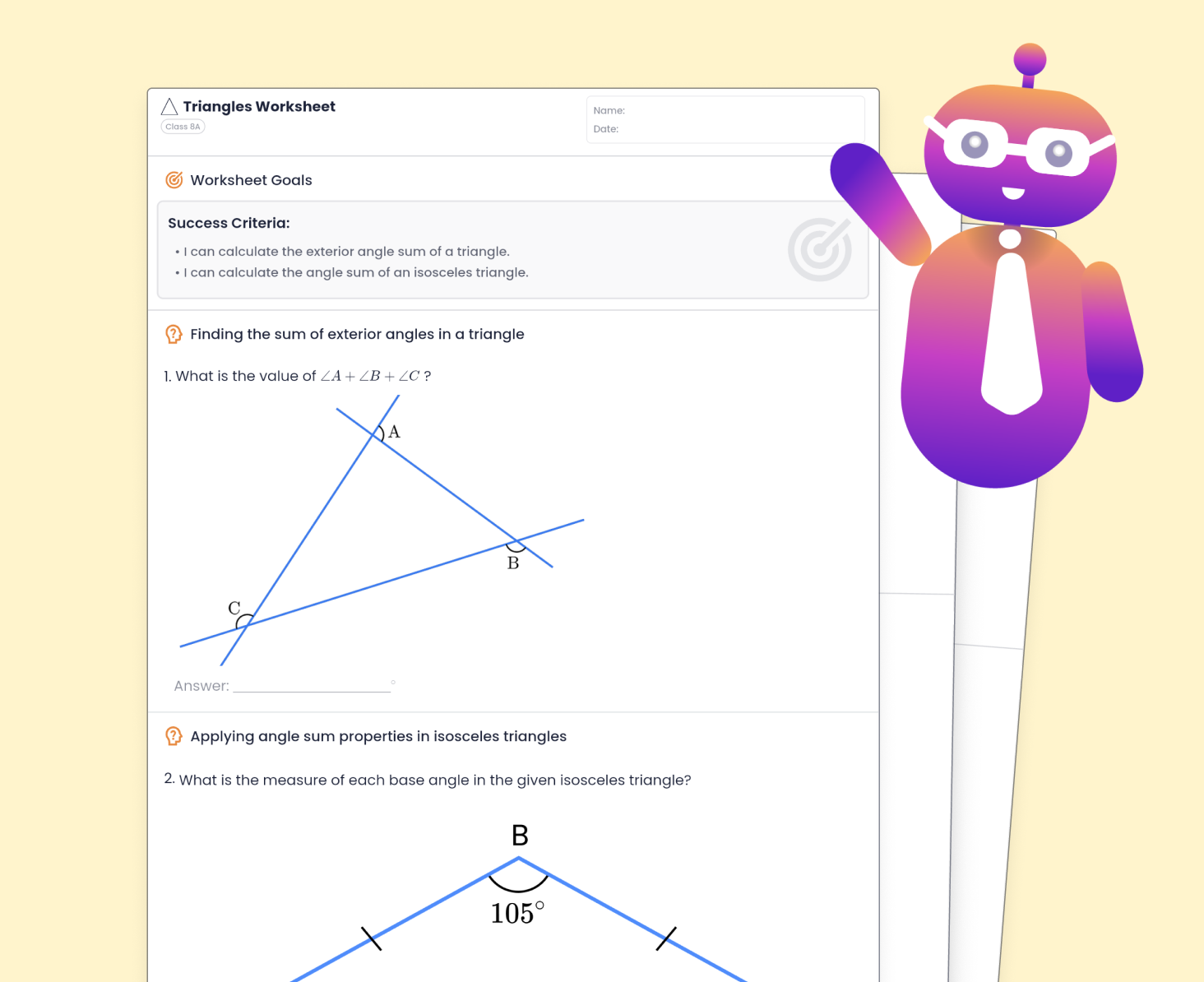
Engaging Worksheets
for Every Subject

.svg)

.svg)


Loved by teachers & schools worldwide


Effortlessly Create Impactful Lessons With Tutero.
.svg)
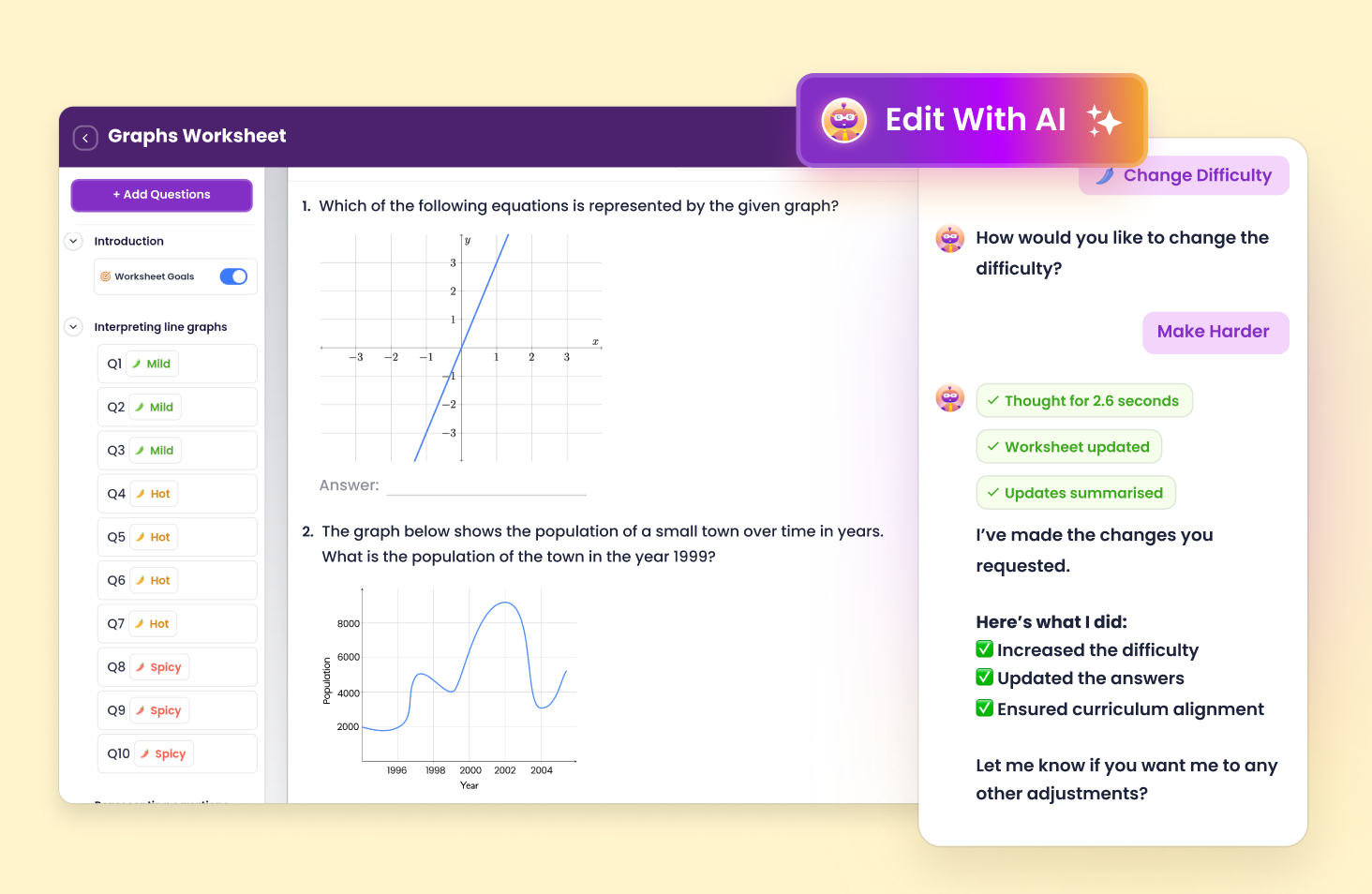
Edit Your Worksheets in Seconds with AI ✨
Examples of how you can edit your lesson with AI:
Download or Share
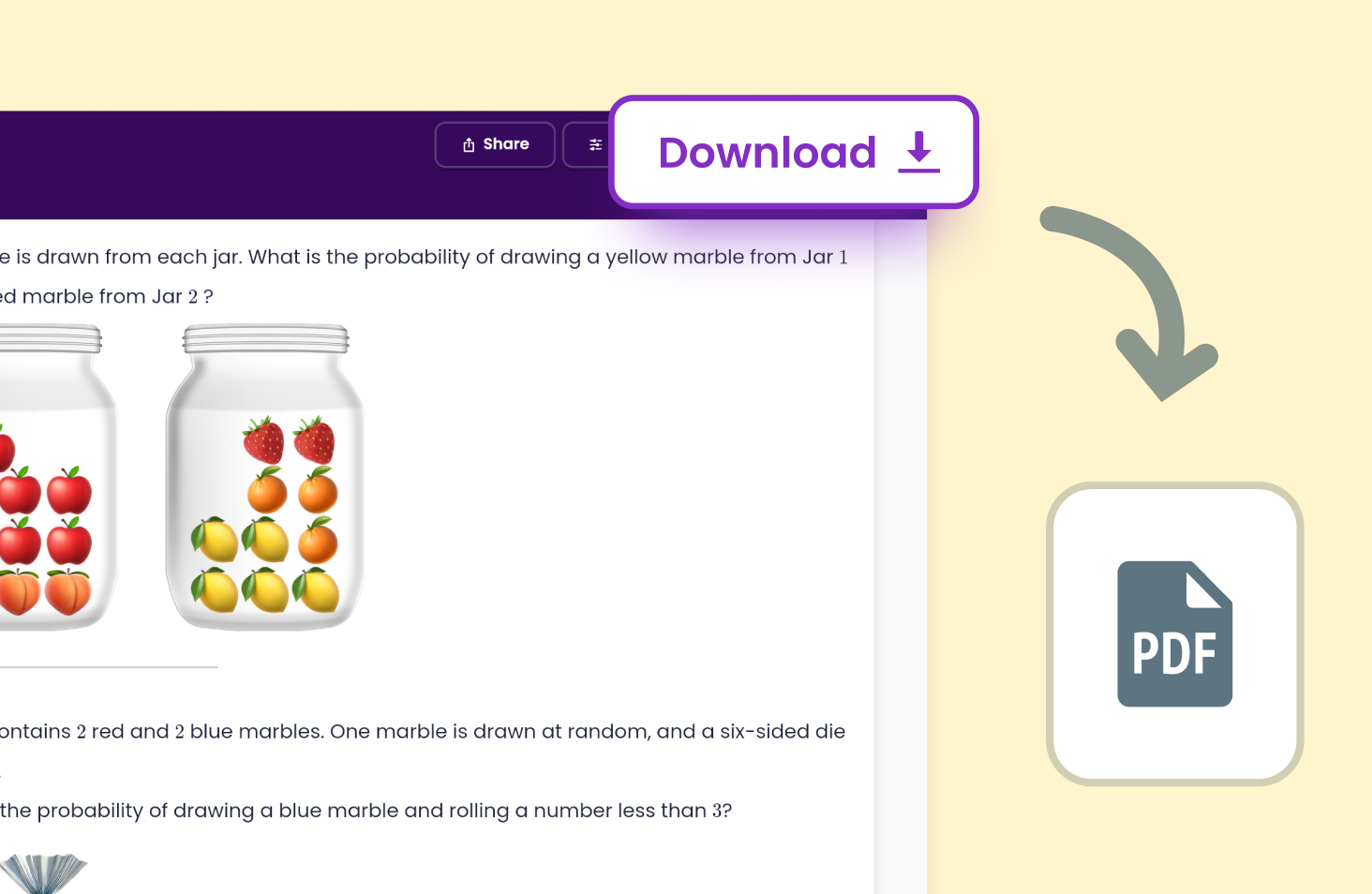
Share with teachers so they can duplicate and customise the worksheet for their class. Share with students so they can follow along and answer questions. Download as a PDF for printing or saving.
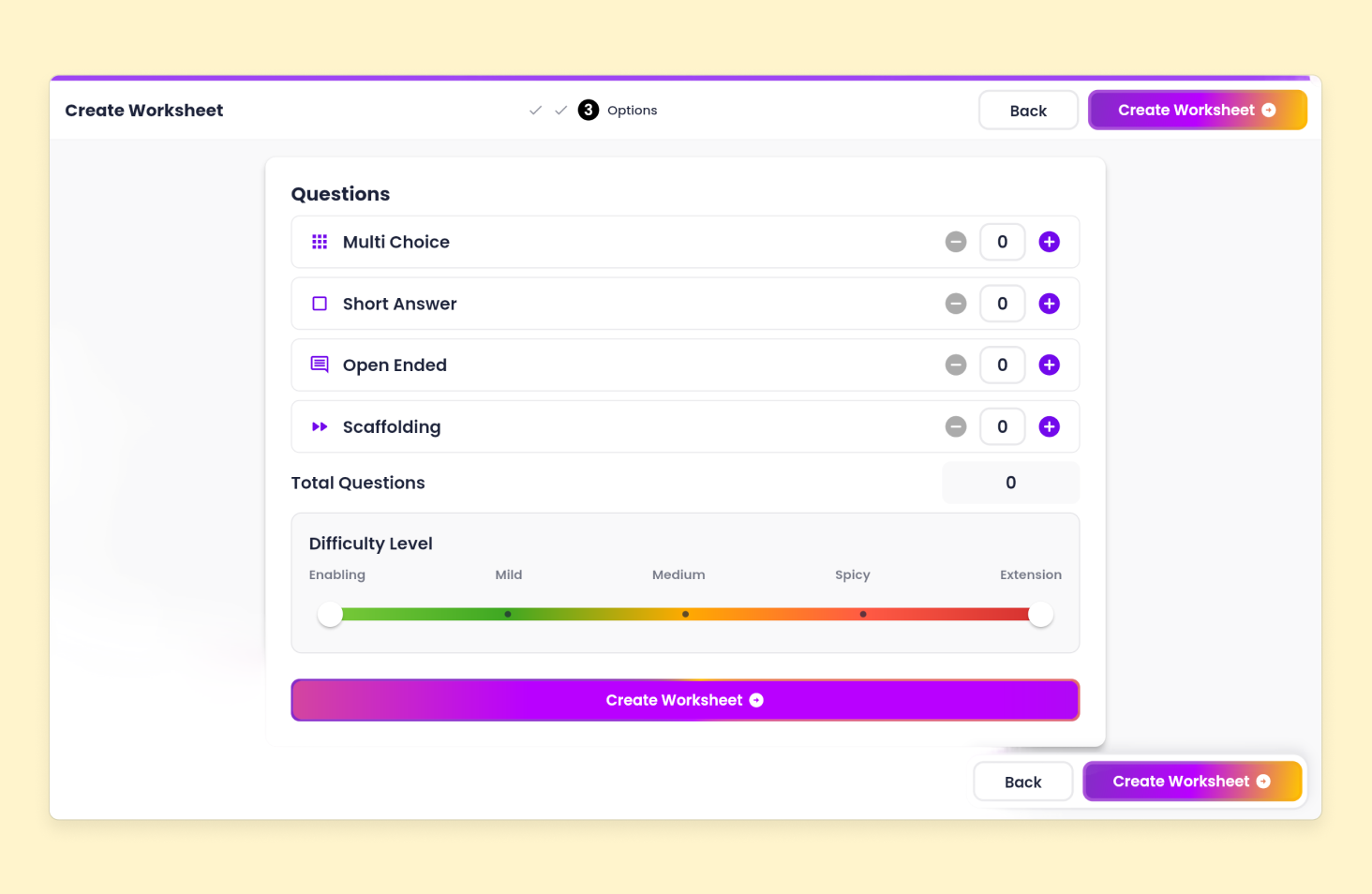
Custom Worksheets
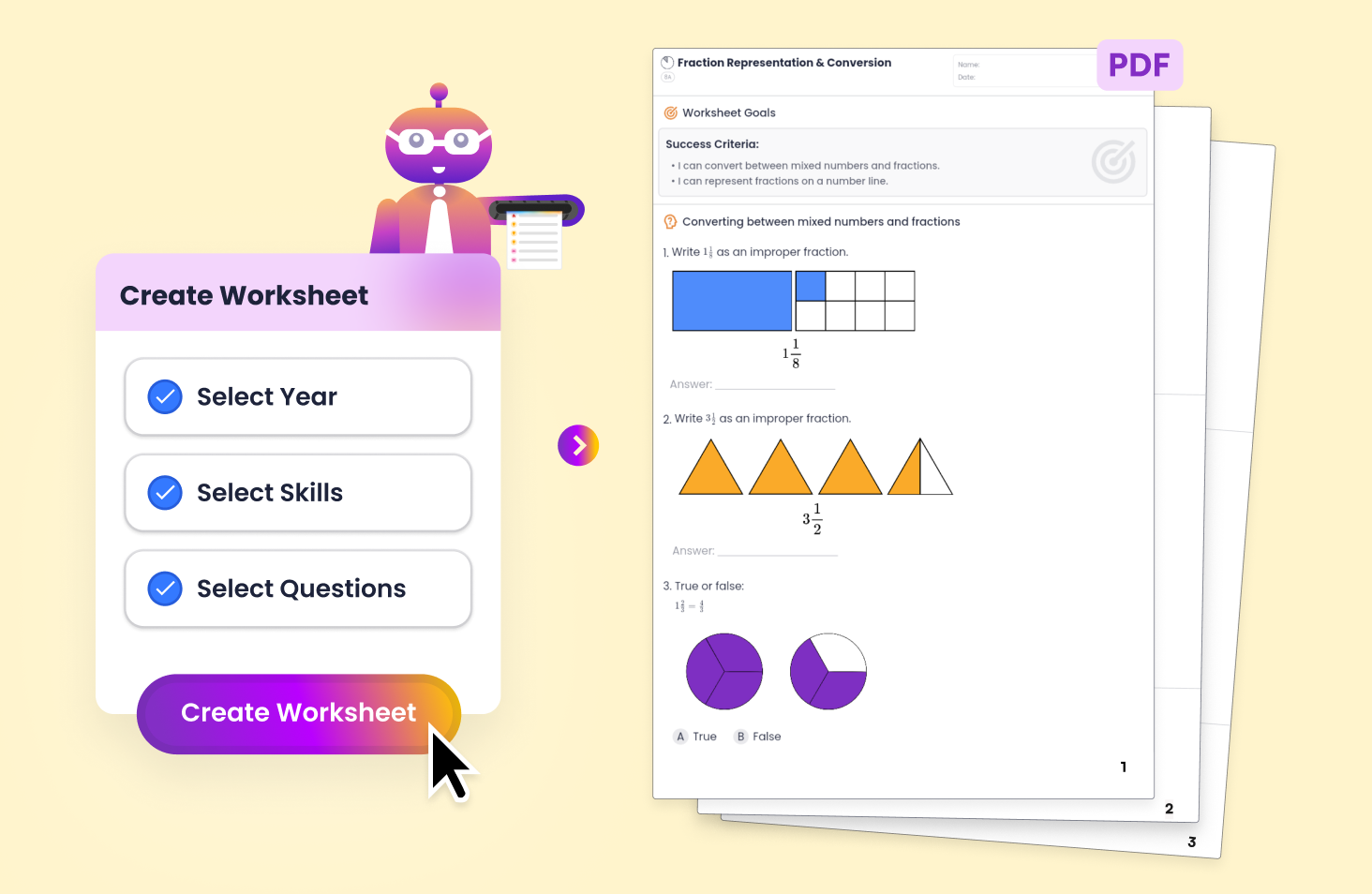
Choose question types, set how many appear in each section, and adjust difficulty.
Make changes in just a few clicks.
Teachers love Tutero's worksheets
Curriculum Aligned
Automatically map planning with outcomes.

Editing & Flexibility
Adjust planning around your preferences.

Differentiated Resources
Materials to engage students at every level.
.avif)
Detailed Documentation
Evidence teaching in 30 seconds.
.avif)

Supercharge teaching with useful AI

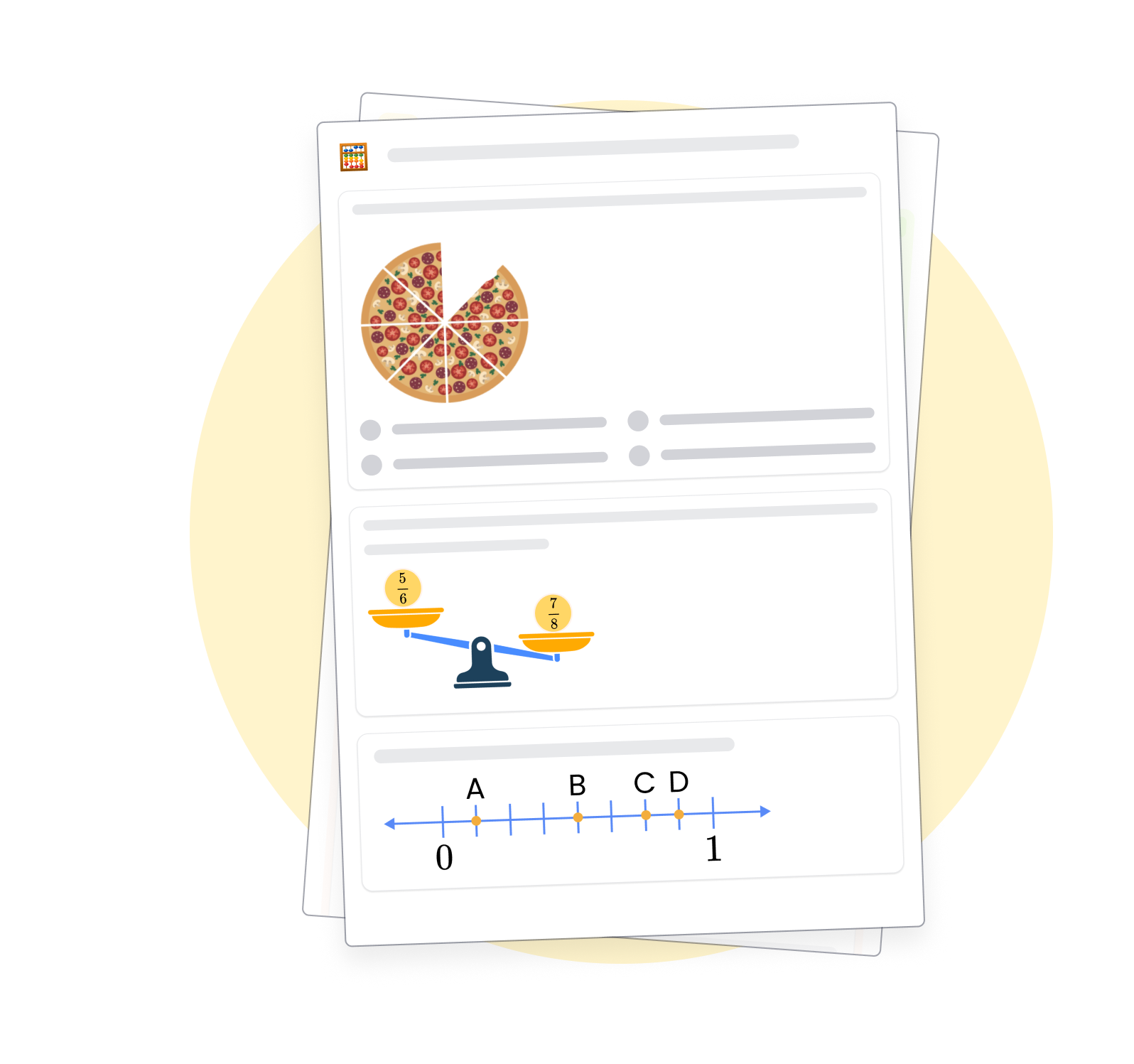


Curriculum-Aligned Worksheets for Every Subject
Create engaging, classroom-ready worksheets in seconds — aligned to your curriculum across every subject. Tutero’s worksheets are mapped to curriculum descriptors, so every task supports your teaching goals and assessment requirements.
From Year 5 fractions to Year 10 linear equations, our resources are built to match your scope and sequence with precision. No more hunting for worksheets that almost fit. With Tutero, everything just works - straight out of the box.
Customisable Worksheets That Adapt to Every Learner
Every class is different. That’s why Tutero lets you tailor worksheets to suit your students’ abilities and learning goals.
Quickly adjust the level of difficulty, change the layout, swap out question types, or add extension and enabling tasks - all within one easy-to-use platform. Whether you’re supporting struggling learners or stretching high achievers, you’ll have differentiated content ready in minutes, not hours.
Worksheets for every subject in the curriculum
Effortless Worksheet Creation Powered by AI
Tutero’s AI worksheet editor helps you build and refine high-quality worksheets for every subject — without the workload.
Instantly modify worksheets to match student understanding, generate new questions, or update learning objectives with a single click.
Spend less time formatting and more time focusing on what matters: delivering lessons that stick.
Download, Share or Print Worksheets
Once your worksheet is ready, download it as a PDF, share it with students, or collaborate with colleagues across your school.
Tutero makes it easy to save, store, and reuse resources whenever you need them. Whether you're prepping for tomorrow's lesson or planning your term, you'll always have the right worksheet at your fingertips.