.svg)
.avif)
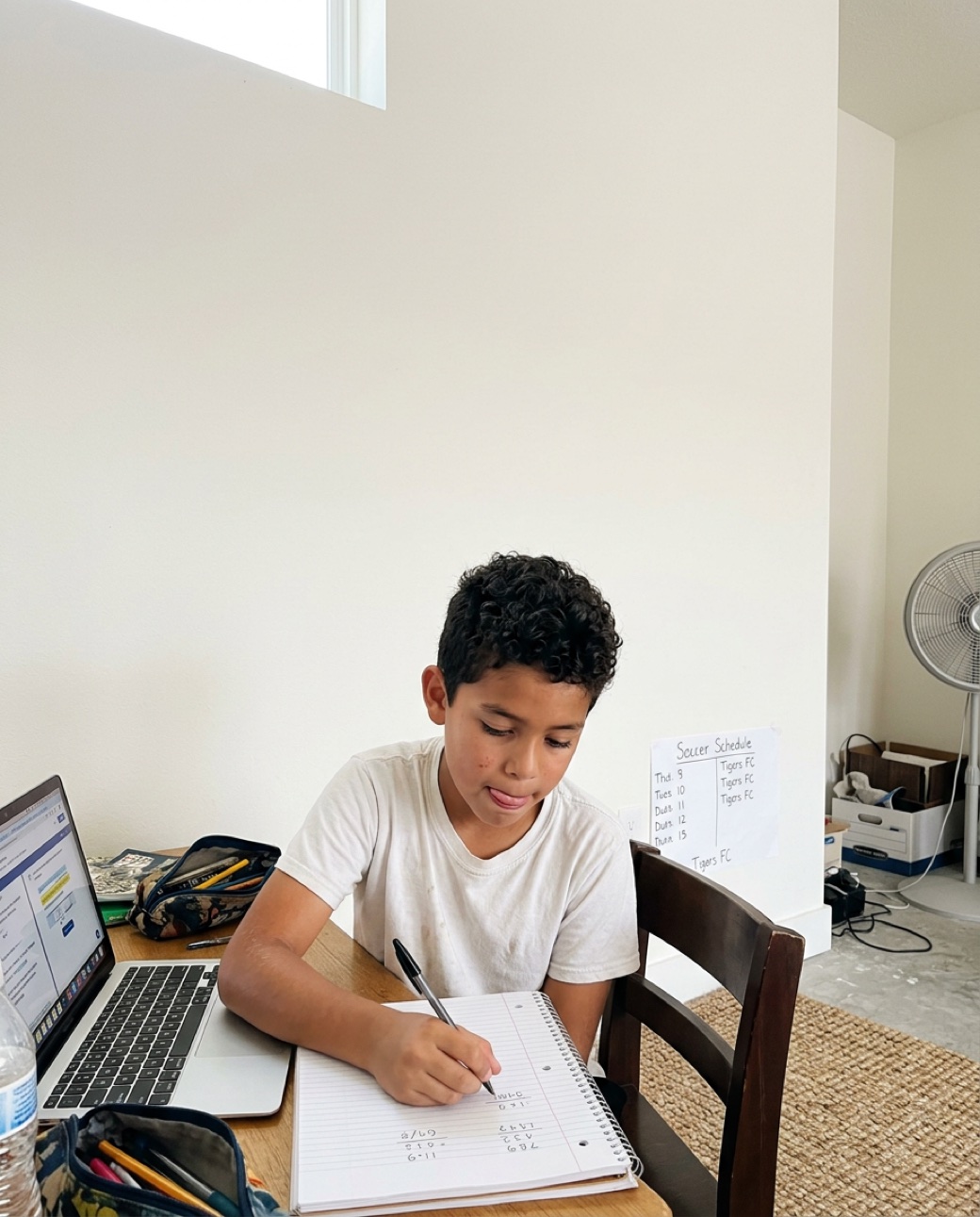
If your child is heading into a four-week exam block and you can already see the warning signs — short fuse at dinner, late-night cramming, headaches, dropping off social plans — they're sliding toward burnout. The good news: burnout is preventable, and the three habits that protect against it are simple, parent-supported, and don't require any extra study time. This guide gives you the three habits, what each looks like in practice, and how to get the rhythm back when it slips.
Quick answer
To avoid burnout during exams, your child needs three things working together: 8–9 hours of sleep on a consistent schedule, scheduled breaks every 45–60 minutes of study, and at least one daily face-to-face moment with family or friends. If any one of those three is missing, the other two compensate for a few days, then everything collapses at once — usually two weeks before the exam, when it matters most. The fix is structural, not motivational. Build the routine before the exam block starts, and protect it harder as the exam date gets closer.
How much sleep does my child need during exams?
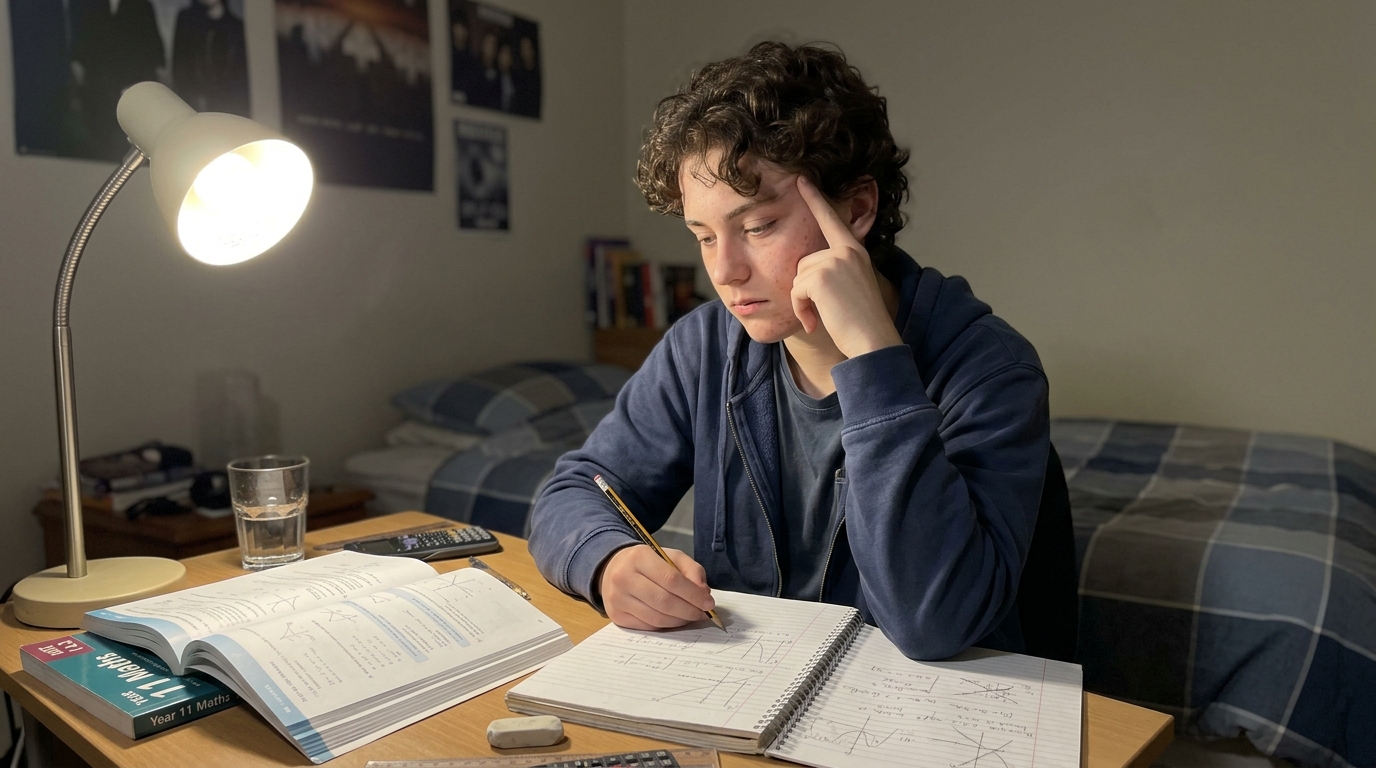
High school students need 8–9 hours of sleep a night during an exam block, and elementary and middle school students need 9–11. The most common burnout pattern we see at Tutero is an 11th or 12th grader running on 5–6 hours for two weeks straight, then collapsing the night before a key test. The problem isn't the late nights themselves — it's the sleep debt that builds up underneath them. Sleep is when the brain consolidates what was studied during the day; without it, the studying doesn't stick. Set a hard lights-out time (10:30pm for high school, 9:30pm for middle school, 8:30pm for elementary), keep it the same on weekends, and treat it as non-negotiable as the exam itself.
Pulling an all-nighter the day before a test costs more points than it earns. Sleep is the study session.
How often should my child take breaks while studying?
Breaks every 45–60 minutes, lasting 5–15 minutes each, are the sweet spot — long enough to reset, short enough to keep momentum. The Pomodoro pattern (25 minutes on, 5 minutes off, longer break every fourth round) works well for elementary and middle school; high schoolers often prefer 50 minutes on, 10 minutes off. Breaks should involve moving away from the desk — stretching, walking around the block, drinking water, eating a piece of fruit. They should not involve scrolling Instagram or TikTok, which is rest for the eyes but not the brain. If your child can't sit through 45 minutes without checking their phone, the phone goes in another room. A 1-on-1 tutor can help structure these blocks if your child can't self-manage them yet.
How important is family and friend connection during exam stress?
A daily face-to-face moment — dinner with the family, a 20-minute walk with a sibling, a laugh with a friend after class — is what stops the exam-week tunnel vision from becoming isolation. Students who study in lockdown mode for three weeks straight lose perspective: a single bad practice test feels like the whole semester slipping away. Real connection resets that. It doesn't need to be hours long. The deal we suggest to families: one shared meal a day, at the table, with phones away. That single hour does more for emotional resilience than any motivational poster. If your child has stopped seeing friends entirely, that's a flag — encourage one social moment per week even in peak exam period.
When should we get extra support if burnout is already setting in?
If your child has had two or more of these symptoms for longer than a week — interrupted sleep, persistent headaches, snapping at family, withdrawing from friends, declining grades despite more study hours — it's time to bring in extra support. A private tutor can take pressure off by structuring the study plan, prioritizing what's actually testable, and being a calm second adult outside the parent-child dynamic. Tutero starts from US$45/hr, with no contracts and pay-per-lesson billing, so you can trial a single session before committing to a longer arrangement. A pediatrician visit is also worth it if sleep or headaches don't resolve within two weeks.
A quick comparison: signs of healthy study vs early burnout
| Signal | Healthy | Early burnout |
|---|---|---|
| Sleep | 8–9 hours, consistent bedtime | Below 7 hours, late nights, weekend lie-ins to catch up |
| Mood | Tired but stable | Snappy, tearful, withdrawn |
| Breaks | 5–15 min every 45–60 min, away from screens | No breaks, or only TikTok scrolling at the desk |
| Connection | One shared meal a day, weekly social | Eats at desk, hasn't seen a friend in two weeks |
| Output | Steady practice-test scores | More hours, same or worse scores |
So how do I help my child avoid burnout this exam block?
The answer is structural, not motivational. Set the three habits — sleep schedule, scheduled breaks, daily connection — before the exam block starts, write them on a fridge whiteboard, and protect them when the pressure rises. If your child needs help organizing the actual study itself, that's where a tutor adds the most value: not as a teacher of new content, but as the calm structuring adult who turns 4 hours of panicked cramming into 90 minutes of high-leverage practice. Browse Tutero's tutors — US$45/hr starting, no contracts, online from anywhere in the US.
Pulling an all-nighter the day before a test costs more points than it earns. Sleep is the study session.
Pulling an all-nighter the day before a test costs more points than it earns. Sleep is the study session.
If your child is heading into a four-week exam block and you can already see the warning signs — short fuse at dinner, late-night cramming, headaches, dropping off social plans — they're sliding toward burnout. The good news: burnout is preventable, and the three habits that protect against it are simple, parent-supported, and don't require any extra study time. This guide gives you the three habits, what each looks like in practice, and how to get the rhythm back when it slips.
Quick answer
To avoid burnout during exams, your child needs three things working together: 8–9 hours of sleep on a consistent schedule, scheduled breaks every 45–60 minutes of study, and at least one daily face-to-face moment with family or friends. If any one of those three is missing, the other two compensate for a few days, then everything collapses at once — usually two weeks before the exam, when it matters most. The fix is structural, not motivational. Build the routine before the exam block starts, and protect it harder as the exam date gets closer.
How much sleep does my child need during exams?
High school students need 8–9 hours of sleep a night during an exam block, and elementary and middle school students need 9–11. The most common burnout pattern we see at Tutero is an 11th or 12th grader running on 5–6 hours for two weeks straight, then collapsing the night before a key test. The problem isn't the late nights themselves — it's the sleep debt that builds up underneath them. Sleep is when the brain consolidates what was studied during the day; without it, the studying doesn't stick. Set a hard lights-out time (10:30pm for high school, 9:30pm for middle school, 8:30pm for elementary), keep it the same on weekends, and treat it as non-negotiable as the exam itself.
Pulling an all-nighter the day before a test costs more points than it earns. Sleep is the study session.
How often should my child take breaks while studying?
Breaks every 45–60 minutes, lasting 5–15 minutes each, are the sweet spot — long enough to reset, short enough to keep momentum. The Pomodoro pattern (25 minutes on, 5 minutes off, longer break every fourth round) works well for elementary and middle school; high schoolers often prefer 50 minutes on, 10 minutes off. Breaks should involve moving away from the desk — stretching, walking around the block, drinking water, eating a piece of fruit. They should not involve scrolling Instagram or TikTok, which is rest for the eyes but not the brain. If your child can't sit through 45 minutes without checking their phone, the phone goes in another room. A 1-on-1 tutor can help structure these blocks if your child can't self-manage them yet.
How important is family and friend connection during exam stress?
A daily face-to-face moment — dinner with the family, a 20-minute walk with a sibling, a laugh with a friend after class — is what stops the exam-week tunnel vision from becoming isolation. Students who study in lockdown mode for three weeks straight lose perspective: a single bad practice test feels like the whole semester slipping away. Real connection resets that. It doesn't need to be hours long. The deal we suggest to families: one shared meal a day, at the table, with phones away. That single hour does more for emotional resilience than any motivational poster. If your child has stopped seeing friends entirely, that's a flag — encourage one social moment per week even in peak exam period.
When should we get extra support if burnout is already setting in?
If your child has had two or more of these symptoms for longer than a week — interrupted sleep, persistent headaches, snapping at family, withdrawing from friends, declining grades despite more study hours — it's time to bring in extra support. A private tutor can take pressure off by structuring the study plan, prioritizing what's actually testable, and being a calm second adult outside the parent-child dynamic. Tutero starts from US$45/hr, with no contracts and pay-per-lesson billing, so you can trial a single session before committing to a longer arrangement. A pediatrician visit is also worth it if sleep or headaches don't resolve within two weeks.
A quick comparison: signs of healthy study vs early burnout
| Signal | Healthy | Early burnout |
|---|---|---|
| Sleep | 8–9 hours, consistent bedtime | Below 7 hours, late nights, weekend lie-ins to catch up |
| Mood | Tired but stable | Snappy, tearful, withdrawn |
| Breaks | 5–15 min every 45–60 min, away from screens | No breaks, or only TikTok scrolling at the desk |
| Connection | One shared meal a day, weekly social | Eats at desk, hasn't seen a friend in two weeks |
| Output | Steady practice-test scores | More hours, same or worse scores |
So how do I help my child avoid burnout this exam block?
The answer is structural, not motivational. Set the three habits — sleep schedule, scheduled breaks, daily connection — before the exam block starts, write them on a fridge whiteboard, and protect them when the pressure rises. If your child needs help organizing the actual study itself, that's where a tutor adds the most value: not as a teacher of new content, but as the calm structuring adult who turns 4 hours of panicked cramming into 90 minutes of high-leverage practice. Browse Tutero's tutors — US$45/hr starting, no contracts, online from anywhere in the US.
Pulling an all-nighter the day before a test costs more points than it earns. Sleep is the study session.
Pulling an all-nighter the day before a test costs more points than it earns. Sleep is the study session.

Pulling an all-nighter the day before a test costs more points than it earns. Sleep is the study session.
Phones go in another room during the study block AND the break. The temptation to check is the temptation that wins.
If your child is heading into a four-week exam block and you can already see the warning signs — short fuse at dinner, late-night cramming, headaches, dropping off social plans — they're sliding toward burnout. The good news: burnout is preventable, and the three habits that protect against it are simple, parent-supported, and don't require any extra study time. This guide gives you the three habits, what each looks like in practice, and how to get the rhythm back when it slips.
Quick answer
To avoid burnout during exams, your child needs three things working together: 8–9 hours of sleep on a consistent schedule, scheduled breaks every 45–60 minutes of study, and at least one daily face-to-face moment with family or friends. If any one of those three is missing, the other two compensate for a few days, then everything collapses at once — usually two weeks before the exam, when it matters most. The fix is structural, not motivational. Build the routine before the exam block starts, and protect it harder as the exam date gets closer.
How much sleep does my child need during exams?
High school students need 8–9 hours of sleep a night during an exam block, and elementary and middle school students need 9–11. The most common burnout pattern we see at Tutero is an 11th or 12th grader running on 5–6 hours for two weeks straight, then collapsing the night before a key test. The problem isn't the late nights themselves — it's the sleep debt that builds up underneath them. Sleep is when the brain consolidates what was studied during the day; without it, the studying doesn't stick. Set a hard lights-out time (10:30pm for high school, 9:30pm for middle school, 8:30pm for elementary), keep it the same on weekends, and treat it as non-negotiable as the exam itself.
Pulling an all-nighter the day before a test costs more points than it earns. Sleep is the study session.
How often should my child take breaks while studying?
Breaks every 45–60 minutes, lasting 5–15 minutes each, are the sweet spot — long enough to reset, short enough to keep momentum. The Pomodoro pattern (25 minutes on, 5 minutes off, longer break every fourth round) works well for elementary and middle school; high schoolers often prefer 50 minutes on, 10 minutes off. Breaks should involve moving away from the desk — stretching, walking around the block, drinking water, eating a piece of fruit. They should not involve scrolling Instagram or TikTok, which is rest for the eyes but not the brain. If your child can't sit through 45 minutes without checking their phone, the phone goes in another room. A 1-on-1 tutor can help structure these blocks if your child can't self-manage them yet.
How important is family and friend connection during exam stress?
A daily face-to-face moment — dinner with the family, a 20-minute walk with a sibling, a laugh with a friend after class — is what stops the exam-week tunnel vision from becoming isolation. Students who study in lockdown mode for three weeks straight lose perspective: a single bad practice test feels like the whole semester slipping away. Real connection resets that. It doesn't need to be hours long. The deal we suggest to families: one shared meal a day, at the table, with phones away. That single hour does more for emotional resilience than any motivational poster. If your child has stopped seeing friends entirely, that's a flag — encourage one social moment per week even in peak exam period.
When should we get extra support if burnout is already setting in?
If your child has had two or more of these symptoms for longer than a week — interrupted sleep, persistent headaches, snapping at family, withdrawing from friends, declining grades despite more study hours — it's time to bring in extra support. A private tutor can take pressure off by structuring the study plan, prioritizing what's actually testable, and being a calm second adult outside the parent-child dynamic. Tutero starts from US$45/hr, with no contracts and pay-per-lesson billing, so you can trial a single session before committing to a longer arrangement. A pediatrician visit is also worth it if sleep or headaches don't resolve within two weeks.
A quick comparison: signs of healthy study vs early burnout
| Signal | Healthy | Early burnout |
|---|---|---|
| Sleep | 8–9 hours, consistent bedtime | Below 7 hours, late nights, weekend lie-ins to catch up |
| Mood | Tired but stable | Snappy, tearful, withdrawn |
| Breaks | 5–15 min every 45–60 min, away from screens | No breaks, or only TikTok scrolling at the desk |
| Connection | One shared meal a day, weekly social | Eats at desk, hasn't seen a friend in two weeks |
| Output | Steady practice-test scores | More hours, same or worse scores |
So how do I help my child avoid burnout this exam block?
The answer is structural, not motivational. Set the three habits — sleep schedule, scheduled breaks, daily connection — before the exam block starts, write them on a fridge whiteboard, and protect them when the pressure rises. If your child needs help organizing the actual study itself, that's where a tutor adds the most value: not as a teacher of new content, but as the calm structuring adult who turns 4 hours of panicked cramming into 90 minutes of high-leverage practice. Browse Tutero's tutors — US$45/hr starting, no contracts, online from anywhere in the US.
Pulling an all-nighter the day before a test costs more points than it earns. Sleep is the study session.
Phones go in another room during the study block AND the break. The temptation to check is the temptation that wins.
.svg)
.svg)
Common signs include difficulty falling or staying asleep, persistent headaches, snapping at family, withdrawing from friends, declining grades despite more study hours, and a constant feeling of being overwhelmed. Two or more of these symptoms for longer than a week is the threshold for action — restructure the routine and consider extra support.
For high schoolers (11th–12th grade), 4–6 focused hours per day is the practical maximum, broken into 45–60 minute blocks with breaks. Middle school (6th–10th grade) sits at 2–3 hours, elementary at 30–60 minutes. More hours rarely produce better grades once these caps are reached — quality of focus matters more than time at the desk.
No. Even a short scroll fragments attention and pulls the brain back into low-stakes stimulus mode, making the next study block harder. Breaks should be 5–15 minutes of physical movement, water, food, or fresh air. Phones go in another room during the study block AND the break.
A private tutor reduces parent-child friction by being a calm second adult, structures the study plan around what's actually testable (saving 30–50 percent of unfocused study time), and provides emotional reassurance during a stressful period. Tutero starts at US$45/hr with no contracts — pay per lesson, trial a single session before committing.
Yes — moderate stress during finals or AP exams is normal and even motivating. The line crosses to burnout when stress becomes constant, sleep breaks down, social withdrawal sets in, or grades start dropping despite increased hours. At that point, intervene with structural fixes (sleep, breaks, connection) and bring in extra support.
Mild burnout, caught in the first week, recovers in 3–7 days of restored sleep and connection. Moderate burnout (two weeks of bad sleep, isolation) takes 2–3 weeks of consistent routine. Severe burnout — months of decline — needs a pediatrician and possibly a school counselor on top of the home routine fixes.
Hoping to improve confidence & grades?

.png)