.svg)

You've been approved for a Step Up For Students scholarship and you've decided you want to spend some of the funds on tutoring. The next question is the practical one: how, exactly, does that work? Which Step Up program lets you spend on tutoring? Where do you find an approved tutor? How does the money flow from your scholarship balance to the tutor's bank account? How long does it take?
This guide answers each question in order. Most families can go from logged-in to first-lesson-booked in under a week.
Quick answer
To use Step Up funds for tutoring, you need to be on FES-UA or PEP, the two ESA-style scholarships. Log in to the EMA portal, find a Step Up-approved tutor in the provider directory, agree on the schedule, and approve the first direct-pay invoice in EMA on the day lessons begin. The tutor is paid directly from your scholarship balance. You never pay out of pocket. FES-EO and FTC scholarships go mainly to private-school tuition, so tutoring is usually paid through UA or PEP. Approved providers like Tutero handle the entire flow for you, with certified teachers and no out-of-pocket cost.
Tutoring is covered on UA and PEP
Approved providers bill EMA directly, so families pay $0 out of pocket. Pick your scholarship:

Which Step Up program can I use for tutoring?
Step Up runs four scholarship programs: FES-EO, FTC, FES-UA, and PEP. Tutoring is usually paid through the last two, the ESA-style scholarships. The differences matter because picking the wrong one or assuming you can re-purpose tuition funds will trip you up. For the full program-by-program breakdown, see our complete guide to Step Up scholarships.
- FES-UA (Unique Abilities): for students with a documented diagnosis (autism, ADHD, dyslexia, and more). Around $10,000 per year for tutoring, therapies, curriculum, and technology. Our Unique Abilities tutoring page and FES-UA tutoring guide have the details.
- PEP (Personalized Education Program): for K-12 students not enrolled full-time in public or private school (charter, magnet, and Florida Virtual School don't count). Around $8,000 per year for tutoring, curriculum, and homeschool materials. Homeschooling? Read the Step Up homeschooling guide.
- FES-EO and FTC: private-school tuition only. These cannot fund tutoring.
If you're on FES-EO or FTC and you want tutoring, check your EMA account first: those awards go to tuition and fees before anything else. If your child has an eligible diagnosis, FES-UA in the next cycle may be the better fit. Don't guess on a purchase: denied invoices are hard to recover. The five biggest mistakes parents make with Step Up covers the other traps.
When do Step Up funds arrive in my account?
Step Up releases ESA funds in quarterly cycles across the school year, starting in the fall. Renewing families are funded first, in the August release. If your scholarship is newly approved, your first funds typically arrive in September, once your application is processed. After that, everyone follows the same quarterly schedule, with money landing in your EMA account within about a week of each release.
| Release | Who gets funded | When funds land |
|---|---|---|
| 1st (start of school year) | Renewing families | August 1, in your account around August 6 |
| 1st for new families | Newly approved families | September, once your approval is processed |
| 2nd | All families | November 1, around November 6 |
| 3rd | All families | February 1, around February 6 |
| 4th | All families | April 1, around April 6 |
Two practical notes. Allow up to two weeks for funds to appear in your account before raising a query. And the fall release is the big one: families spend quickly once funds land, and the best teachers book up fastest in August and September. If you're new to Step Up, use the wait for your September funding to choose your provider, so lessons can start the day funds arrive.
How do I find a Step Up-approved tutor?
Use the EMA portal's provider directory. It lists every approved provider in Florida, thousands of individuals and businesses. Filter by "tutoring" and your county, or "online" for statewide options.
The directory is comprehensive but doesn't sort by quality. Three useful filters in your head: teacher credentials (certified teachers beat unscreened freelance tutors), communication frequency (weekly summaries beat lesson-by-lesson silence), and direct EMA payment (a serious provider supports it; a small operation often doesn't). Tutero checks all three: certified teachers, education specialists who know the scholarship system, and EMA invoicing handled end to end. Tell us about your child (60 seconds) and a specialist will call you back.
Step Up For Students
Use your scholarship for 1-on-1 tutoring
- Certified Florida teachers
- The same teacher every week
- A plan built from your child’s schoolwork
 ★★★★★4.9 from 250 Google reviews
$0out of pocket on UA and PEP, paid through EMA
How does direct payment through EMA actually work?
Direct payment is the simplest way to pay tutors and the standard at every serious approved provider. The five-step flow takes 7-10 days from first lesson to funds clearing.
- You and the tutor agree on the schedule before the first lesson. The scholarship covers tutoring fees through the EMA direct-pay portal, so you never pay out of pocket.
- Lessons happen. The tutor delivers the agreed sessions over the invoicing period (usually weekly or bi-weekly).
- The tutor submits a direct-pay invoice through the EMA portal on the first day of class: not before, not late. Late invoices get queried.
- You receive an EMA notification and approve the invoice in your dashboard within 1-3 days.
- Step Up sends payment directly to the tutor's account, usually within 5-7 business days. Your scholarship balance updates automatically.
You never handle the money. You never pay out of pocket. The only paperwork on your side is approving the invoice in EMA, typically a single click after you've reviewed the lesson summary.
Tutero sets this up for you. Tell us about your child and your first direct-pay invoice is handled end to end. $0 out of pocket.
Why do Florida families choose Tutero?
Because the entire experience is handled for you. Every Tutero lesson is taught by a certified teacher, not a freelance tutor. Every family is guided by an education specialist who has spent their career in schools: Tutero's Florida family team is led by a former school principal and a former special education leader. And every invoice goes straight to your Step Up scholarship through direct EMA billing, so no money ever changes hands.
- Certified teachers only. Every teacher holds a teaching certification and real classroom experience.
- Lessons built for your child. Each lesson adapts to how your child learns, with weekly progress summaries sent to you.
- $0 out of pocket, zero paperwork. Tutero bills EMA directly. Your only job is approving one invoice in your dashboard.
- Easy to try, easy to swap. No contracts, and we'll switch teachers if the first match isn't perfect.

More than 575 Florida families run their Step Up tutoring through Tutero, on both FES-UA and PEP. And because tutoring is billed direct, your scholarship balance stays available for curriculum and technology. Check what you can and can't buy with Step Up funds before you spend the rest, and read what Florida parents say about their teachers.
How does reimbursement work for other Step Up purchases?
Reimbursement is EMA's second payment method. You pay out of pocket first, save the receipt and proof of payment, submit a reimbursement request through the EMA portal, and Step Up pays you back, typically in 2-4 weeks when the documentation is complete. For tutoring you should never need it: a direct-pay provider like Tutero bills your scholarship straight through EMA, so nothing leaves your bank account. Where reimbursement earns its place is one-off purchases such as curriculum, workbooks, and educational technology.
- Submit clear, itemized receipts. Line-by-line breakdowns of what you paid for, not a single total.
- Include proof of payment. Credit-card statement, bank statement, canceled check, or payment confirmation. Separate from the receipt.
- Match the student's name exactly to the scholarship system. Spelling differences and nicknames trigger reviews.
- Pick the right expense category. Tutoring, curriculum, technology, or therapy. Wrong category means a denied request.
- Submit on a monthly cadence rather than after every purchase. Faster turnaround, easier processing.

Why do Step Up reimbursement requests get denied?
Denials cluster into a small set of causes. Avoid these and your requests will clear. Tutoring billed through a direct-pay provider never touches this process, which is exactly why families prefer it.
- Provider not on the approved list. The biggest single cause. Verify approval status before purchasing.
- Receipt isn't itemized. A receipt showing only "$200, services" gets denied. Line items required.
- Proof of payment missing. Receipt and proof of payment are separate documents. You need both.
- Student name mismatch. "Jonathan Smith" on the scholarship system but "Jon Smith" on the receipt gets flagged for review.
- Wrong expense category selected. Tutoring submitted under "curriculum" or vice versa gets denied.
- Late submission past the deadline. Each program has a window. Check the current handbook.
- Item not on the eligible list. Leisure technology and non-educational software get denied. Verify before purchasing if uncertain.
How do I get started with tutoring this term?
The fastest path: confirm your scholarship is active, then let Tutero handle the rest. Most families go from first contact to first lesson inside a week.
- Confirm your scholarship at stepupforstudents.org. Verify FES-UA or PEP is active.
- Tell us about your child (60 seconds). School level, scholarship, subject. That's the whole form.
- Take a same-day call from an education specialist who confirms your Step Up coverage and learns what your child needs.
- Meet your child's certified teacher, matched to their level, goals, and schedule.
- Approve one invoice in EMA on the day lessons begin. Step Up pays Tutero directly from your scholarship balance. You never pay out of pocket.
Prefer to browse first? Meet Tutero's certified teachers, or call (855) 551-3802 and talk it through with the team.
Bottom line
Step Up funds reach your tutor through a clean direct-pay flow on FES-UA and PEP. The keys are confirming the right scholarship type, picking an approved provider that supports direct EMA billing, and submitting invoices on time. Tutero is a fully approved Step Up provider with every lesson taught by a certified teacher and every invoice handled for you. Ready to start? Tell us about your child in 60 seconds and an education specialist will call you to set up your first scholarship-funded lesson.
How this guide was written
Written by Tutero’s Florida team. Tutero is a Step Up For Students EMA Marketplace Provider trusted by 575 Florida families. We check our guides against Step Up’s official purchasing guides and family handbooks for UA and PEP. Rules can change, so confirm the details in your EMA account before you buy.
Related guides: How to choose a Step Up tutoring provider, The best Step Up tutoring providers and How Step Up reimbursement works.
Your next step
See how families use Step Up for tutoring
Certified Florida teachers, 1-on-1, paid through EMA with $0 out of pocket. Trusted by 575 Florida families.
Or keep reading: What you can and can’t buy →
“With her teacher Lori, she’s focused. She never wants to miss a lesson.”
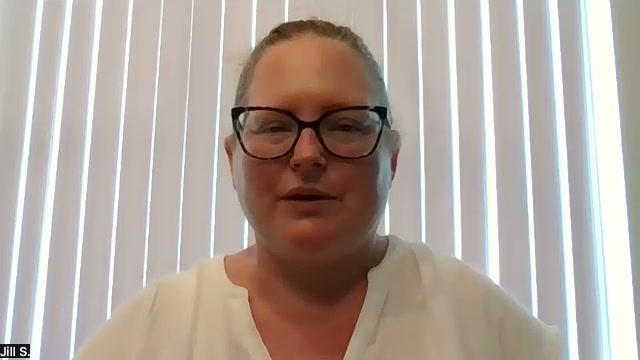 JillMom of Emma, 6th grade
You never pay out of pocket. Your child's teacher is paid directly from your scholarship balance.
You never pay out of pocket. Your child's teacher is paid directly from your scholarship balance.
You've been approved for a Step Up For Students scholarship and you've decided you want to spend some of the funds on tutoring. The next question is the practical one: how, exactly, does that work? Which Step Up program lets you spend on tutoring? Where do you find an approved tutor? How does the money flow from your scholarship balance to the tutor's bank account? How long does it take?
This guide answers each question in order. Most families can go from logged-in to first-lesson-booked in under a week.
Quick answer
To use Step Up funds for tutoring, you need to be on FES-UA or PEP, the two ESA-style scholarships. Log in to the EMA portal, find a Step Up-approved tutor in the provider directory, agree on the schedule, and approve the first direct-pay invoice in EMA on the day lessons begin. The tutor is paid directly from your scholarship balance. You never pay out of pocket. FES-EO and FTC scholarships go mainly to private-school tuition, so tutoring is usually paid through UA or PEP. Approved providers like Tutero handle the entire flow for you, with certified teachers and no out-of-pocket cost.
Tutoring is covered on UA and PEP
Approved providers bill EMA directly, so families pay $0 out of pocket. Pick your scholarship:
Which Step Up program can I use for tutoring?
Step Up runs four scholarship programs: FES-EO, FTC, FES-UA, and PEP. Tutoring is usually paid through the last two, the ESA-style scholarships. The differences matter because picking the wrong one or assuming you can re-purpose tuition funds will trip you up. For the full program-by-program breakdown, see our complete guide to Step Up scholarships.
- FES-UA (Unique Abilities): for students with a documented diagnosis (autism, ADHD, dyslexia, and more). Around $10,000 per year for tutoring, therapies, curriculum, and technology. Our Unique Abilities tutoring page and FES-UA tutoring guide have the details.
- PEP (Personalized Education Program): for K-12 students not enrolled full-time in public or private school (charter, magnet, and Florida Virtual School don't count). Around $8,000 per year for tutoring, curriculum, and homeschool materials. Homeschooling? Read the Step Up homeschooling guide.
- FES-EO and FTC: private-school tuition only. These cannot fund tutoring.
If you're on FES-EO or FTC and you want tutoring, check your EMA account first: those awards go to tuition and fees before anything else. If your child has an eligible diagnosis, FES-UA in the next cycle may be the better fit. Don't guess on a purchase: denied invoices are hard to recover. The five biggest mistakes parents make with Step Up covers the other traps.
When do Step Up funds arrive in my account?
Step Up releases ESA funds in quarterly cycles across the school year, starting in the fall. Renewing families are funded first, in the August release. If your scholarship is newly approved, your first funds typically arrive in September, once your application is processed. After that, everyone follows the same quarterly schedule, with money landing in your EMA account within about a week of each release.
| Release | Who gets funded | When funds land |
|---|---|---|
| 1st (start of school year) | Renewing families | August 1, in your account around August 6 |
| 1st for new families | Newly approved families | September, once your approval is processed |
| 2nd | All families | November 1, around November 6 |
| 3rd | All families | February 1, around February 6 |
| 4th | All families | April 1, around April 6 |
Two practical notes. Allow up to two weeks for funds to appear in your account before raising a query. And the fall release is the big one: families spend quickly once funds land, and the best teachers book up fastest in August and September. If you're new to Step Up, use the wait for your September funding to choose your provider, so lessons can start the day funds arrive.
How do I find a Step Up-approved tutor?
Use the EMA portal's provider directory. It lists every approved provider in Florida, thousands of individuals and businesses. Filter by "tutoring" and your county, or "online" for statewide options.
The directory is comprehensive but doesn't sort by quality. Three useful filters in your head: teacher credentials (certified teachers beat unscreened freelance tutors), communication frequency (weekly summaries beat lesson-by-lesson silence), and direct EMA payment (a serious provider supports it; a small operation often doesn't). Tutero checks all three: certified teachers, education specialists who know the scholarship system, and EMA invoicing handled end to end. Tell us about your child (60 seconds) and a specialist will call you back.
Step Up For Students
Use your scholarship for 1-on-1 tutoring
- Certified Florida teachers
- The same teacher every week
- A plan built from your child’s schoolwork
★★★★★4.9 from 250 Google reviews$0out of pocket on UA and PEP, paid through EMA
How does direct payment through EMA actually work?
Direct payment is the simplest way to pay tutors and the standard at every serious approved provider. The five-step flow takes 7-10 days from first lesson to funds clearing.
- You and the tutor agree on the schedule before the first lesson. The scholarship covers tutoring fees through the EMA direct-pay portal, so you never pay out of pocket.
- Lessons happen. The tutor delivers the agreed sessions over the invoicing period (usually weekly or bi-weekly).
- The tutor submits a direct-pay invoice through the EMA portal on the first day of class: not before, not late. Late invoices get queried.
- You receive an EMA notification and approve the invoice in your dashboard within 1-3 days.
- Step Up sends payment directly to the tutor's account, usually within 5-7 business days. Your scholarship balance updates automatically.
You never handle the money. You never pay out of pocket. The only paperwork on your side is approving the invoice in EMA, typically a single click after you've reviewed the lesson summary.
Tutero sets this up for you. Tell us about your child and your first direct-pay invoice is handled end to end. $0 out of pocket.
Why do Florida families choose Tutero?
Because the entire experience is handled for you. Every Tutero lesson is taught by a certified teacher, not a freelance tutor. Every family is guided by an education specialist who has spent their career in schools: Tutero's Florida family team is led by a former school principal and a former special education leader. And every invoice goes straight to your Step Up scholarship through direct EMA billing, so no money ever changes hands.
- Certified teachers only. Every teacher holds a teaching certification and real classroom experience.
- Lessons built for your child. Each lesson adapts to how your child learns, with weekly progress summaries sent to you.
- $0 out of pocket, zero paperwork. Tutero bills EMA directly. Your only job is approving one invoice in your dashboard.
- Easy to try, easy to swap. No contracts, and we'll switch teachers if the first match isn't perfect.
More than 575 Florida families run their Step Up tutoring through Tutero, on both FES-UA and PEP. And because tutoring is billed direct, your scholarship balance stays available for curriculum and technology. Check what you can and can't buy with Step Up funds before you spend the rest, and read what Florida parents say about their teachers.
How does reimbursement work for other Step Up purchases?
Reimbursement is EMA's second payment method. You pay out of pocket first, save the receipt and proof of payment, submit a reimbursement request through the EMA portal, and Step Up pays you back, typically in 2-4 weeks when the documentation is complete. For tutoring you should never need it: a direct-pay provider like Tutero bills your scholarship straight through EMA, so nothing leaves your bank account. Where reimbursement earns its place is one-off purchases such as curriculum, workbooks, and educational technology.
- Submit clear, itemized receipts. Line-by-line breakdowns of what you paid for, not a single total.
- Include proof of payment. Credit-card statement, bank statement, canceled check, or payment confirmation. Separate from the receipt.
- Match the student's name exactly to the scholarship system. Spelling differences and nicknames trigger reviews.
- Pick the right expense category. Tutoring, curriculum, technology, or therapy. Wrong category means a denied request.
- Submit on a monthly cadence rather than after every purchase. Faster turnaround, easier processing.
Why do Step Up reimbursement requests get denied?
Denials cluster into a small set of causes. Avoid these and your requests will clear. Tutoring billed through a direct-pay provider never touches this process, which is exactly why families prefer it.
- Provider not on the approved list. The biggest single cause. Verify approval status before purchasing.
- Receipt isn't itemized. A receipt showing only "$200, services" gets denied. Line items required.
- Proof of payment missing. Receipt and proof of payment are separate documents. You need both.
- Student name mismatch. "Jonathan Smith" on the scholarship system but "Jon Smith" on the receipt gets flagged for review.
- Wrong expense category selected. Tutoring submitted under "curriculum" or vice versa gets denied.
- Late submission past the deadline. Each program has a window. Check the current handbook.
- Item not on the eligible list. Leisure technology and non-educational software get denied. Verify before purchasing if uncertain.
How do I get started with tutoring this term?
The fastest path: confirm your scholarship is active, then let Tutero handle the rest. Most families go from first contact to first lesson inside a week.
- Confirm your scholarship at stepupforstudents.org. Verify FES-UA or PEP is active.
- Tell us about your child (60 seconds). School level, scholarship, subject. That's the whole form.
- Take a same-day call from an education specialist who confirms your Step Up coverage and learns what your child needs.
- Meet your child's certified teacher, matched to their level, goals, and schedule.
- Approve one invoice in EMA on the day lessons begin. Step Up pays Tutero directly from your scholarship balance. You never pay out of pocket.
Prefer to browse first? Meet Tutero's certified teachers, or call (855) 551-3802 and talk it through with the team.
Bottom line
Step Up funds reach your tutor through a clean direct-pay flow on FES-UA and PEP. The keys are confirming the right scholarship type, picking an approved provider that supports direct EMA billing, and submitting invoices on time. Tutero is a fully approved Step Up provider with every lesson taught by a certified teacher and every invoice handled for you. Ready to start? Tell us about your child in 60 seconds and an education specialist will call you to set up your first scholarship-funded lesson.
How this guide was written
Written by Tutero’s Florida team. Tutero is a Step Up For Students EMA Marketplace Provider trusted by 575 Florida families. We check our guides against Step Up’s official purchasing guides and family handbooks for UA and PEP. Rules can change, so confirm the details in your EMA account before you buy.
Related guides: How to choose a Step Up tutoring provider, The best Step Up tutoring providers and How Step Up reimbursement works.
Your next step
See how families use Step Up for tutoring
Certified Florida teachers, 1-on-1, paid through EMA with $0 out of pocket. Trusted by 575 Florida families.
Or keep reading: What you can and can’t buy →
“With her teacher Lori, she’s focused. She never wants to miss a lesson.”
JillMom of Emma, 6th gradeYou never pay out of pocket. Your child's teacher is paid directly from your scholarship balance.
You never pay out of pocket. Your child's teacher is paid directly from your scholarship balance.

You never pay out of pocket. Your child's teacher is paid directly from your scholarship balance.
Most families go from logged in to first lesson booked in under a week.
You've been approved for a Step Up For Students scholarship and you've decided you want to spend some of the funds on tutoring. The next question is the practical one: how, exactly, does that work? Which Step Up program lets you spend on tutoring? Where do you find an approved tutor? How does the money flow from your scholarship balance to the tutor's bank account? How long does it take?
This guide answers each question in order. Most families can go from logged-in to first-lesson-booked in under a week.
Quick answer
To use Step Up funds for tutoring, you need to be on FES-UA or PEP, the two ESA-style scholarships. Log in to the EMA portal, find a Step Up-approved tutor in the provider directory, agree on the schedule, and approve the first direct-pay invoice in EMA on the day lessons begin. The tutor is paid directly from your scholarship balance. You never pay out of pocket. FES-EO and FTC scholarships go mainly to private-school tuition, so tutoring is usually paid through UA or PEP. Approved providers like Tutero handle the entire flow for you, with certified teachers and no out-of-pocket cost.
Tutoring is covered on UA and PEP
Approved providers bill EMA directly, so families pay $0 out of pocket. Pick your scholarship:
Which Step Up program can I use for tutoring?
Step Up runs four scholarship programs: FES-EO, FTC, FES-UA, and PEP. Tutoring is usually paid through the last two, the ESA-style scholarships. The differences matter because picking the wrong one or assuming you can re-purpose tuition funds will trip you up. For the full program-by-program breakdown, see our complete guide to Step Up scholarships.
- FES-UA (Unique Abilities): for students with a documented diagnosis (autism, ADHD, dyslexia, and more). Around $10,000 per year for tutoring, therapies, curriculum, and technology. Our Unique Abilities tutoring page and FES-UA tutoring guide have the details.
- PEP (Personalized Education Program): for K-12 students not enrolled full-time in public or private school (charter, magnet, and Florida Virtual School don't count). Around $8,000 per year for tutoring, curriculum, and homeschool materials. Homeschooling? Read the Step Up homeschooling guide.
- FES-EO and FTC: private-school tuition only. These cannot fund tutoring.
If you're on FES-EO or FTC and you want tutoring, check your EMA account first: those awards go to tuition and fees before anything else. If your child has an eligible diagnosis, FES-UA in the next cycle may be the better fit. Don't guess on a purchase: denied invoices are hard to recover. The five biggest mistakes parents make with Step Up covers the other traps.
When do Step Up funds arrive in my account?
Step Up releases ESA funds in quarterly cycles across the school year, starting in the fall. Renewing families are funded first, in the August release. If your scholarship is newly approved, your first funds typically arrive in September, once your application is processed. After that, everyone follows the same quarterly schedule, with money landing in your EMA account within about a week of each release.
| Release | Who gets funded | When funds land |
|---|---|---|
| 1st (start of school year) | Renewing families | August 1, in your account around August 6 |
| 1st for new families | Newly approved families | September, once your approval is processed |
| 2nd | All families | November 1, around November 6 |
| 3rd | All families | February 1, around February 6 |
| 4th | All families | April 1, around April 6 |
Two practical notes. Allow up to two weeks for funds to appear in your account before raising a query. And the fall release is the big one: families spend quickly once funds land, and the best teachers book up fastest in August and September. If you're new to Step Up, use the wait for your September funding to choose your provider, so lessons can start the day funds arrive.
How do I find a Step Up-approved tutor?
Use the EMA portal's provider directory. It lists every approved provider in Florida, thousands of individuals and businesses. Filter by "tutoring" and your county, or "online" for statewide options.
The directory is comprehensive but doesn't sort by quality. Three useful filters in your head: teacher credentials (certified teachers beat unscreened freelance tutors), communication frequency (weekly summaries beat lesson-by-lesson silence), and direct EMA payment (a serious provider supports it; a small operation often doesn't). Tutero checks all three: certified teachers, education specialists who know the scholarship system, and EMA invoicing handled end to end. Tell us about your child (60 seconds) and a specialist will call you back.
Step Up For Students
Use your scholarship for 1-on-1 tutoring
- Certified Florida teachers
- The same teacher every week
- A plan built from your child’s schoolwork
★★★★★4.9 from 250 Google reviews$0out of pocket on UA and PEP, paid through EMA
How does direct payment through EMA actually work?
Direct payment is the simplest way to pay tutors and the standard at every serious approved provider. The five-step flow takes 7-10 days from first lesson to funds clearing.
- You and the tutor agree on the schedule before the first lesson. The scholarship covers tutoring fees through the EMA direct-pay portal, so you never pay out of pocket.
- Lessons happen. The tutor delivers the agreed sessions over the invoicing period (usually weekly or bi-weekly).
- The tutor submits a direct-pay invoice through the EMA portal on the first day of class: not before, not late. Late invoices get queried.
- You receive an EMA notification and approve the invoice in your dashboard within 1-3 days.
- Step Up sends payment directly to the tutor's account, usually within 5-7 business days. Your scholarship balance updates automatically.
You never handle the money. You never pay out of pocket. The only paperwork on your side is approving the invoice in EMA, typically a single click after you've reviewed the lesson summary.
Tutero sets this up for you. Tell us about your child and your first direct-pay invoice is handled end to end. $0 out of pocket.
Why do Florida families choose Tutero?
Because the entire experience is handled for you. Every Tutero lesson is taught by a certified teacher, not a freelance tutor. Every family is guided by an education specialist who has spent their career in schools: Tutero's Florida family team is led by a former school principal and a former special education leader. And every invoice goes straight to your Step Up scholarship through direct EMA billing, so no money ever changes hands.
- Certified teachers only. Every teacher holds a teaching certification and real classroom experience.
- Lessons built for your child. Each lesson adapts to how your child learns, with weekly progress summaries sent to you.
- $0 out of pocket, zero paperwork. Tutero bills EMA directly. Your only job is approving one invoice in your dashboard.
- Easy to try, easy to swap. No contracts, and we'll switch teachers if the first match isn't perfect.
More than 575 Florida families run their Step Up tutoring through Tutero, on both FES-UA and PEP. And because tutoring is billed direct, your scholarship balance stays available for curriculum and technology. Check what you can and can't buy with Step Up funds before you spend the rest, and read what Florida parents say about their teachers.
How does reimbursement work for other Step Up purchases?
Reimbursement is EMA's second payment method. You pay out of pocket first, save the receipt and proof of payment, submit a reimbursement request through the EMA portal, and Step Up pays you back, typically in 2-4 weeks when the documentation is complete. For tutoring you should never need it: a direct-pay provider like Tutero bills your scholarship straight through EMA, so nothing leaves your bank account. Where reimbursement earns its place is one-off purchases such as curriculum, workbooks, and educational technology.
- Submit clear, itemized receipts. Line-by-line breakdowns of what you paid for, not a single total.
- Include proof of payment. Credit-card statement, bank statement, canceled check, or payment confirmation. Separate from the receipt.
- Match the student's name exactly to the scholarship system. Spelling differences and nicknames trigger reviews.
- Pick the right expense category. Tutoring, curriculum, technology, or therapy. Wrong category means a denied request.
- Submit on a monthly cadence rather than after every purchase. Faster turnaround, easier processing.
Why do Step Up reimbursement requests get denied?
Denials cluster into a small set of causes. Avoid these and your requests will clear. Tutoring billed through a direct-pay provider never touches this process, which is exactly why families prefer it.
- Provider not on the approved list. The biggest single cause. Verify approval status before purchasing.
- Receipt isn't itemized. A receipt showing only "$200, services" gets denied. Line items required.
- Proof of payment missing. Receipt and proof of payment are separate documents. You need both.
- Student name mismatch. "Jonathan Smith" on the scholarship system but "Jon Smith" on the receipt gets flagged for review.
- Wrong expense category selected. Tutoring submitted under "curriculum" or vice versa gets denied.
- Late submission past the deadline. Each program has a window. Check the current handbook.
- Item not on the eligible list. Leisure technology and non-educational software get denied. Verify before purchasing if uncertain.
How do I get started with tutoring this term?
The fastest path: confirm your scholarship is active, then let Tutero handle the rest. Most families go from first contact to first lesson inside a week.
- Confirm your scholarship at stepupforstudents.org. Verify FES-UA or PEP is active.
- Tell us about your child (60 seconds). School level, scholarship, subject. That's the whole form.
- Take a same-day call from an education specialist who confirms your Step Up coverage and learns what your child needs.
- Meet your child's certified teacher, matched to their level, goals, and schedule.
- Approve one invoice in EMA on the day lessons begin. Step Up pays Tutero directly from your scholarship balance. You never pay out of pocket.
Prefer to browse first? Meet Tutero's certified teachers, or call (855) 551-3802 and talk it through with the team.
Bottom line
Step Up funds reach your tutor through a clean direct-pay flow on FES-UA and PEP. The keys are confirming the right scholarship type, picking an approved provider that supports direct EMA billing, and submitting invoices on time. Tutero is a fully approved Step Up provider with every lesson taught by a certified teacher and every invoice handled for you. Ready to start? Tell us about your child in 60 seconds and an education specialist will call you to set up your first scholarship-funded lesson.
How this guide was written
Written by Tutero’s Florida team. Tutero is a Step Up For Students EMA Marketplace Provider trusted by 575 Florida families. We check our guides against Step Up’s official purchasing guides and family handbooks for UA and PEP. Rules can change, so confirm the details in your EMA account before you buy.
Related guides: How to choose a Step Up tutoring provider, The best Step Up tutoring providers and How Step Up reimbursement works.
Your next step
See how families use Step Up for tutoring
Certified Florida teachers, 1-on-1, paid through EMA with $0 out of pocket. Trusted by 575 Florida families.
Or keep reading: What you can and can’t buy →
“With her teacher Lori, she’s focused. She never wants to miss a lesson.”
JillMom of Emma, 6th gradeYou never pay out of pocket. Your child's teacher is paid directly from your scholarship balance.
Most families go from logged in to first lesson booked in under a week.
.svg)
.svg)
FES-UA (Unique Abilities) and PEP (Personalized Education Program) are the two ESA-style Step Up scholarships that fund tutoring. FES-EO and FTC scholarships go mainly to tuition and fees (and transportation) at approved private schools, so tutoring is usually paid through UA or PEP.
Direct payment is the standard flow. You agree on a schedule with your provider, lessons happen, the provider submits a direct-pay invoice through EMA on the first day of class, you approve it in your dashboard within 1-3 days, and Step Up pays the provider in 5-7 business days. You never pay out of pocket and you never handle the money.
No. Tutero bills your Step Up scholarship directly through EMA. You approve the invoice in your dashboard and Step Up pays Tutero from your scholarship balance in 5-7 business days. No upfront payment, no receipts, and no paperwork beyond a single click of approval.
An education specialist calls you back the same day. They confirm your scholarship covers everything, learn about your child's level and goals, and match them with a certified teacher. Most families have their first lesson scheduled within the week, with direct EMA billing set up before it starts.
Yes. Step Up doesn't lock you into a provider. If your teacher isn't a good match, find a new approved provider through the EMA directory, set up direct payment with them, and the previous provider's invoicing simply stops. The transition costs you nothing beyond a couple of weeks of evaluation. Most families try one or two providers in their first year.
Most Florida families schedule a first lesson within 3-5 days of logging in. The fast path is: confirm your scholarship type in EMA, browse the provider directory, run 20-minute calls with two or three providers, pick one, agree on schedule and rate, and approve the first direct-pay invoice when lessons start. With a managed provider like Tutero, you can complete the loop inside a week.
Hoping to improve confidence & grades?

Step Up For Students
1:1 Tutoring with Step Up For Students
.png)