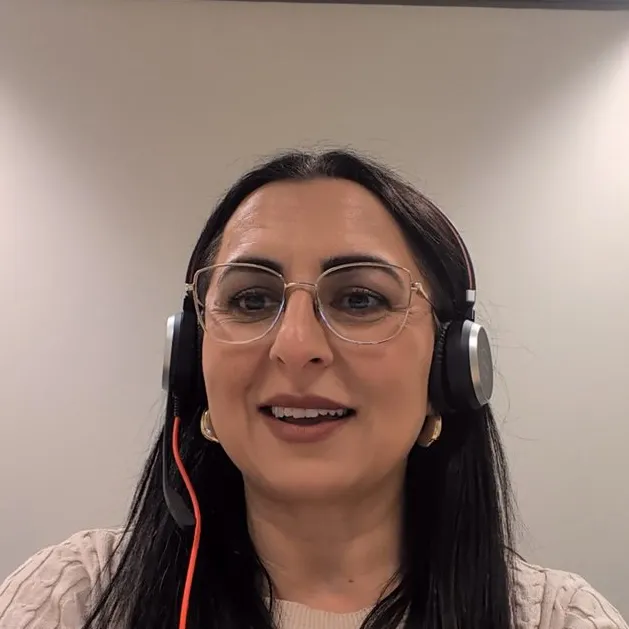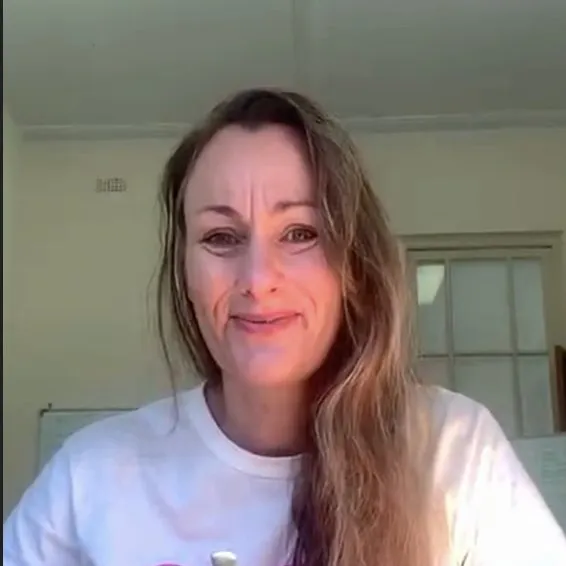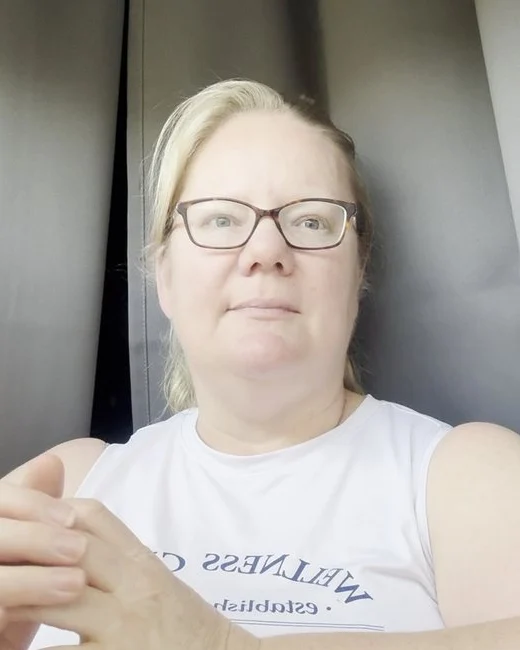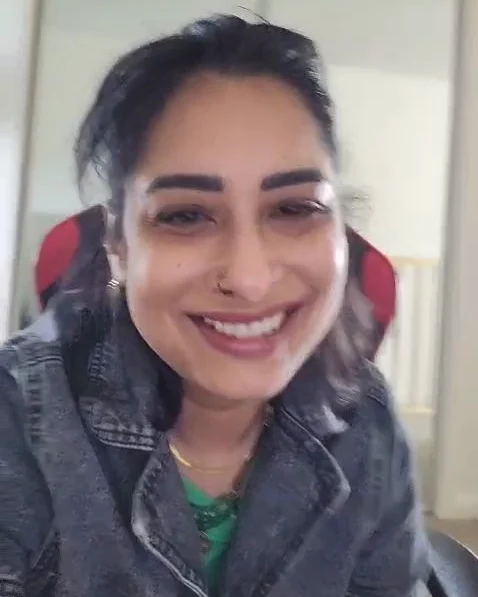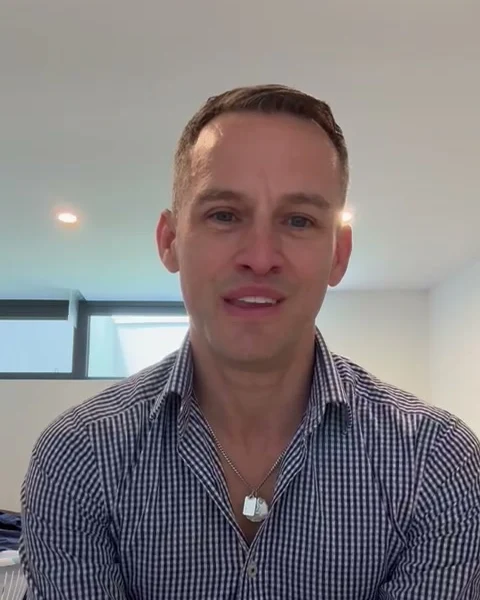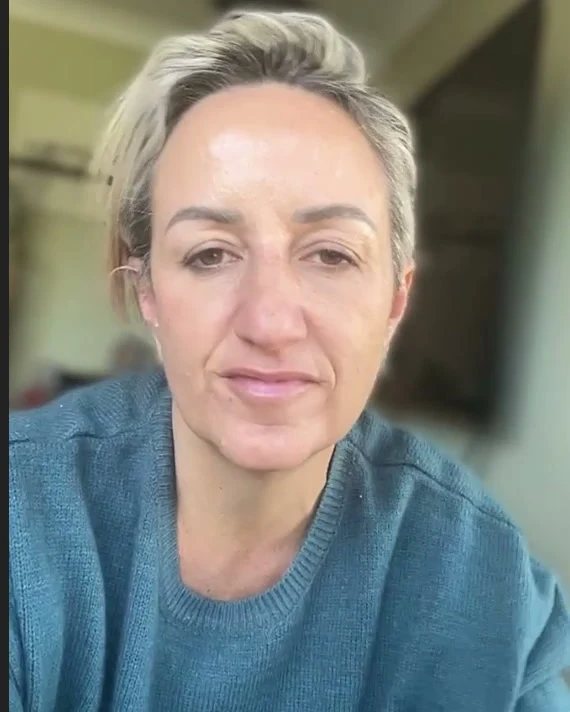

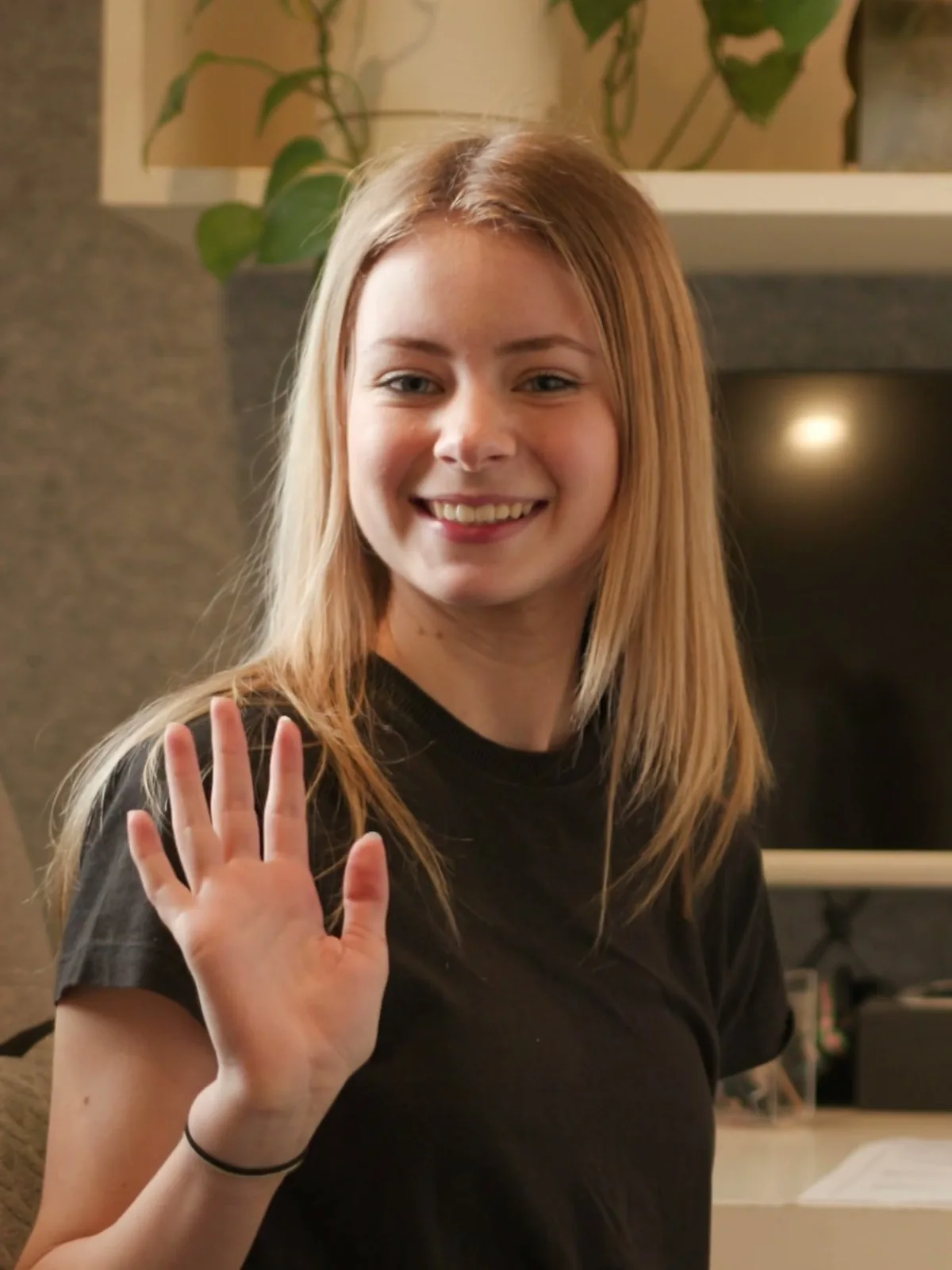


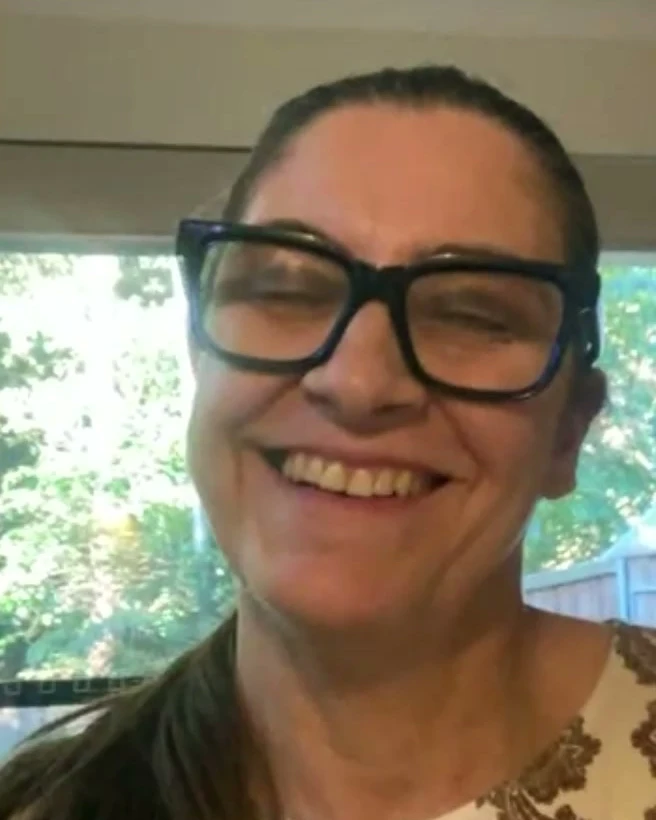
Recorded interview
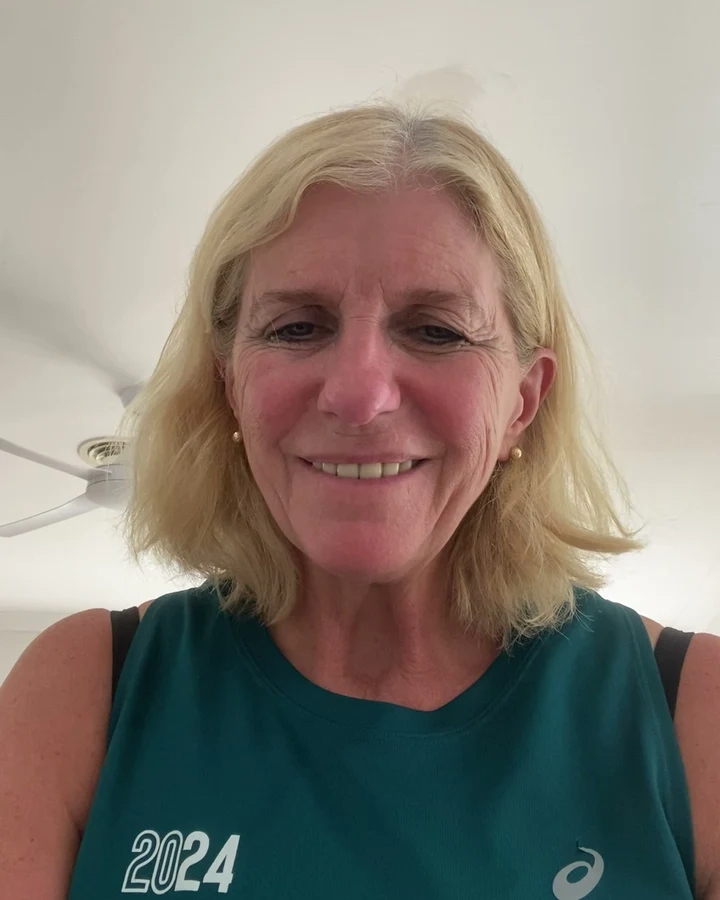
“She did her catch-up work over summer and lifted from Cs and Bs into the 80s and 90s.”
PriscillaParent of Zoe · Tutor Nazia

Trusted by 4,200+ Australian families
A 1-on-1 HSC Psychology tutor, the same one every week. Lessons follow your school's HSC course, from the first unit to the final exam.
The same 1-on-1 HSC Psychology tutor every week.
Who is the HSC Psychology tutoring for?


Build a consistent relationship with one carefully selected tutor who knows the course inside out.

Each lesson is tailored to the student’s goals to ensure steady, meaningful progress.
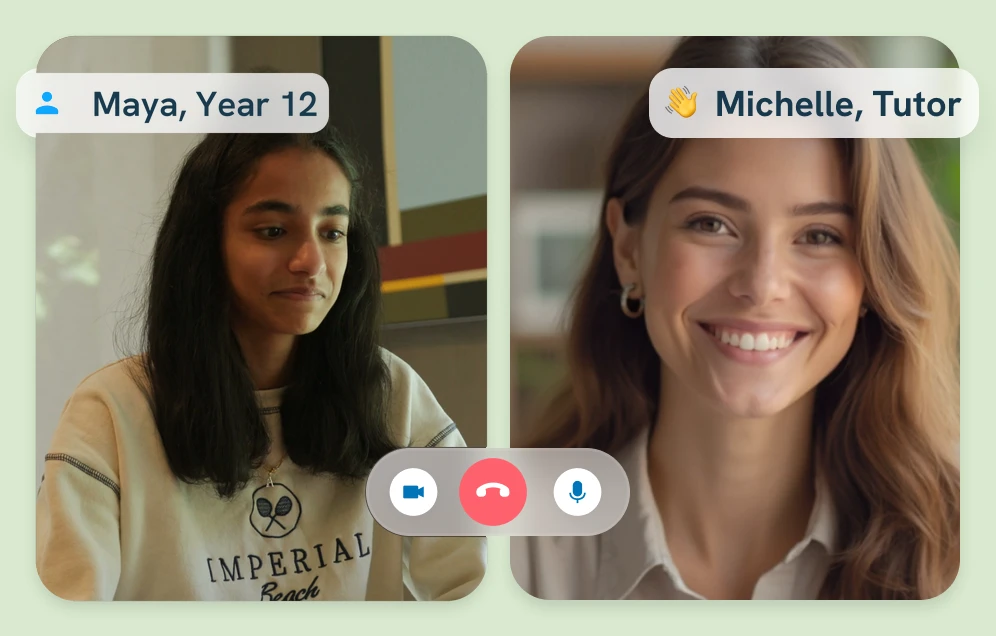

“I did my research and Tutero stood out. Our tutor is amazing. I would recommend Tutero to anyone who is looking for tutoring for their kids.”

“She was struggling, and I was trying to find a tutor. The minute I applied for Tutero, I got a call from Joey. I am so grateful that I did.”

“I was searching on Google and I found Tutero. It was convenient and easy to sign up. The tutoring has perfectly fit what we were after.”

Our education team handpicks the perfect tutor for each student based on their needs.

Every family is supported by a dedicated account manager from day one.

Students get access to thousands of engaging resources for every stage of learning.

Track progress with detailed lesson reports available anytime via our app.
Our education team handpicks the perfect tutor for each student based on their needs.
Every family is supported by a dedicated account manager from day one.
Students get access to thousands of engaging resources for every stage of learning.
Track progress with detailed lesson reports available anytime via our app.
4.9 stars from 263 Google reviews.
“She did her catch-up work over summer and lifted from Cs and Bs into the 80s and 90s.”
PriscillaParent of Zoe · Tutor Nazia
“My son’s grades have gone up 30% since starting with Tutero 6 months ago. As he is shy in class, having 1:1 tutoring has helped him clarify a lot of core concepts and now he is much better equipped for HSC.”
“My son’s grades have gone up 30% since starting with Tutero 6 months ago. As he is shy in class, having 1:1 tutoring has helped him clarify a lot of core concepts and now he is much better equipped for HSC.”
Four ways to get help with HSC Psychology tutoring, side by side.
| Tutero | Tutoring centre | Tutor marketplace | Help at school | |
|---|---|---|---|---|
| One tutor per student | Always | Small groups | You vet | Shared |
| Their own curriculum | Every lesson | Sometimes | Depends | Yes |
| Written report | Every lesson | Rarely | Rarely | Rarely |
| Commitment | None | By the term | Varies | School year |
HSC Psychology tutoringFrom A$65 an hour, the same rate at every level. No contracts, no sign-up fee. Pay after each lesson.
Get my quoteTutero’s structured tutoring helps HSC Psychology students build strong conceptual understanding while preparing thoroughly for school assessments and final exams. Tutors tailor sessions to each student’s learning needs, identifying knowledge gaps and working through challenging topics step by step. With flexible lessons and experienced tutors, students gain greater confidence, improved study habits, and a clearer understanding of key HSC Psychology concepts.
From A$65 an hour, the same rate in Year 11 and Year 12. A qualified teacher is from A$75 an hour. There are no contracts and no sign-up fee, and you pay after each lesson.
Every HSC subject, with one tutor per subject. Common choices are maths from Standard to Extension 2, English Standard, Advanced and Extension, biology, chemistry, physics, economics, legal studies and business studies.
Yes. HSC tutors include qualified teachers and high-achieving HSC graduates who know NESA requirements, assessment tasks and final exam expectations. They are selected from the top 2% of applicants.
Yes. Tutors plan lessons around your child’s assessment schedule, explain the marking criteria and practise the skills each task needs, so every task gets proper preparation.
Yes. Lessons cover revision plans, past HSC papers, exam technique and timing. Tutors help students find weak areas early and work on them before trials and the final exams.
How HSC Psychology works, and where a tutor makes the difference.
HSC Psychology introduces students to the scientific study of human behaviour, cognition, and development - and it demands more than memorising theories. Students need to interpret research findings, evaluate methodologies, apply psychological concepts to unfamiliar scenarios, and write responses that demonstrate genuine scientific reasoning.
The Preliminary Psychology course introduces students to the nature of psychology as a science, research methods, the biological basis of behaviour, and social influences. Many students initially find the research methodology content dry or difficult to connect to the rest of the course - but it underpins almost every assessment they will sit.
Year 12 Psychology covers perception, memory, learning, sleep, psychopathology, and social psychology. Students must apply theories to stimulus material, evaluate research studies, and produce extended responses under exam conditions - all while keeping research methodology integrated across every topic.
What HSC Psychology students work on at each stage, and how a tutor helps.
Year 11 introduces psychology as a science, research methods, the biological basis of behaviour and social influences.
Psychology is a science because its claims are tested through controlled research that other researchers can repeat.
Makes research methods click early, because they come up in almost every assessment.
Based on the NESA Stage 6 Psychology, Year 11 course content.
Year 12 covers perception, memory, learning, sleep and social psychology, with research methods built into every topic.
Memory is reconstructed each time it is recalled, so details added after an event, such as a leading question, can become part of what a witness remembers.
Teaches your child to apply theories to stimulus material, not just describe them.
Based on the NESA Stage 6 Psychology, Year 12 course content.
Students design studies, identify variables, handle data and evaluate the validity and reliability of research.
Recall scores are 12, 15, 15 and 18. Find the mean and the range.
AnswerMean 15, range 6
Practises evaluating real studies until spotting a confound or weak sample becomes automatic.
Based on the NESA Stage 6 Psychology, research methods.
Assessments include research tasks, data analysis and written responses that apply theory to real situations.
Because the 20 participants volunteered, they may differ from the wider population, so the results cannot be confidently generalised.
Unpacks each task and gives feedback on drafts, so written responses show scientific reasoning.
Based on the NESA Stage 6 Psychology, assessment requirements.
The final exam tests content from Year 12, research methods and extended responses that apply theory to stimulus material.
Through classical conditioning, a painful bite (unconditioned stimulus) became paired with dogs, so dogs alone now trigger fear (conditioned response).
Times practice responses and checks each uses the right terms for the scenario given.
Based on the NESA Stage 6 Psychology, examination.
Who is the tutoring for?