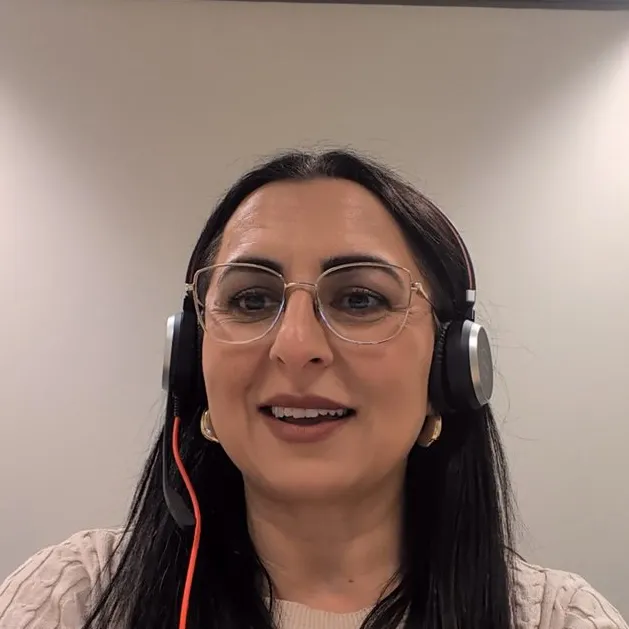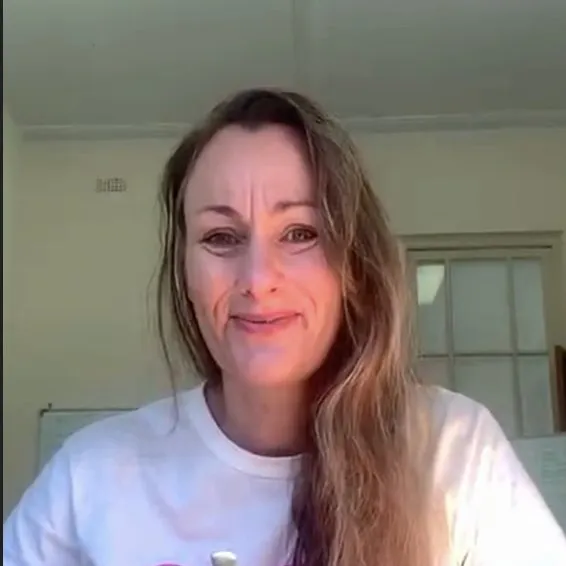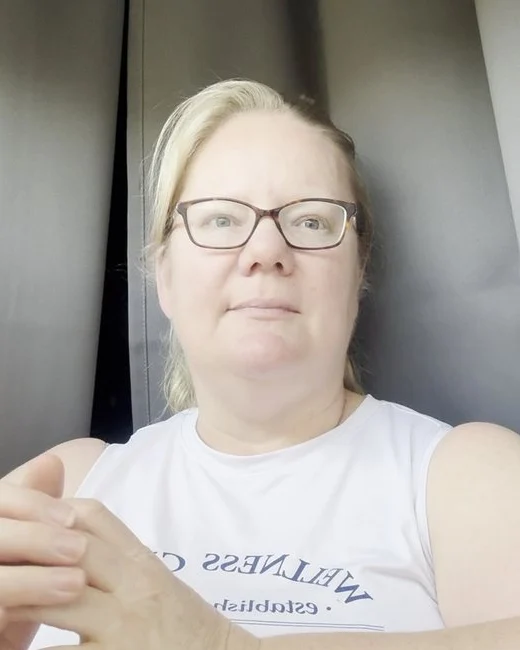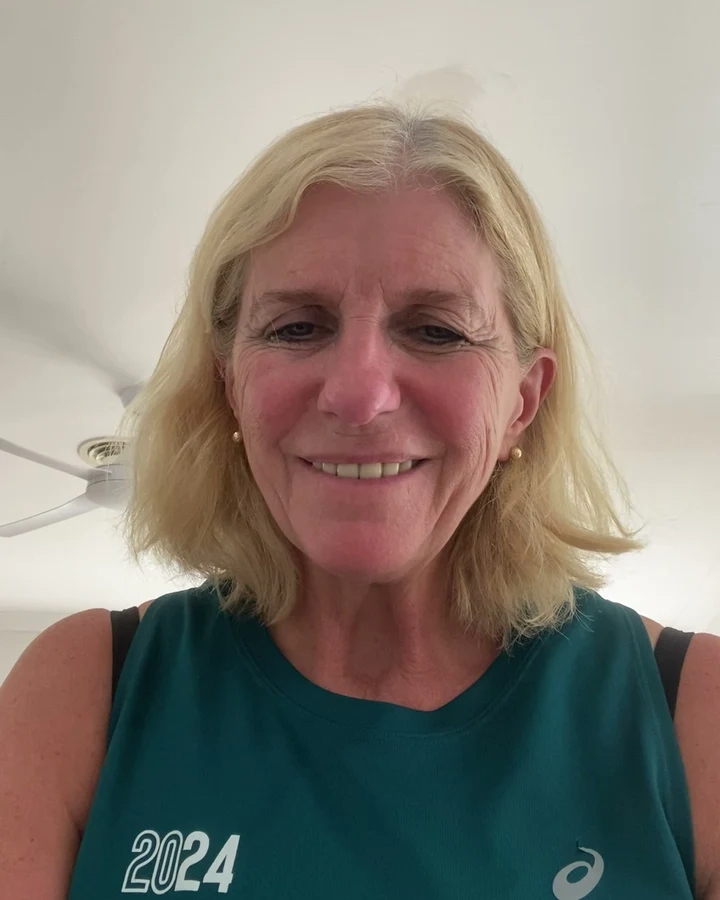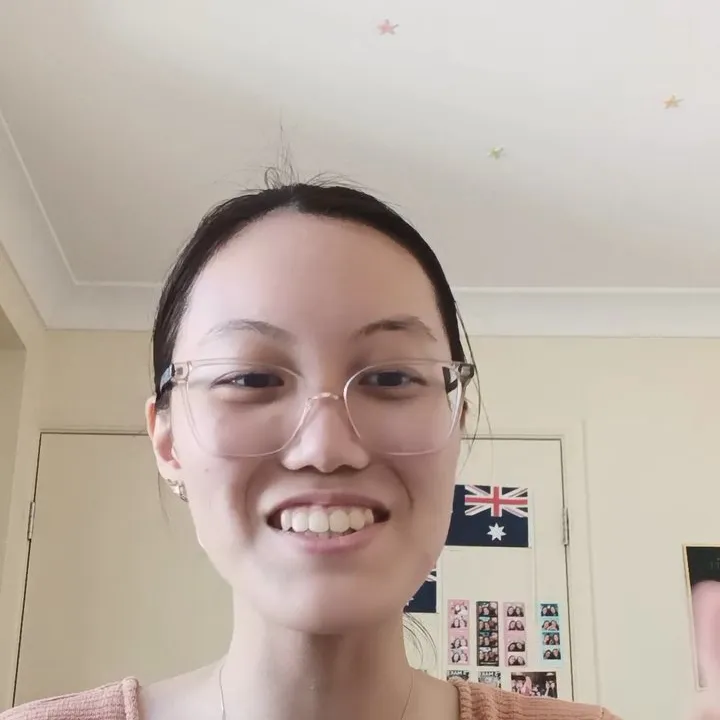





Recorded interview
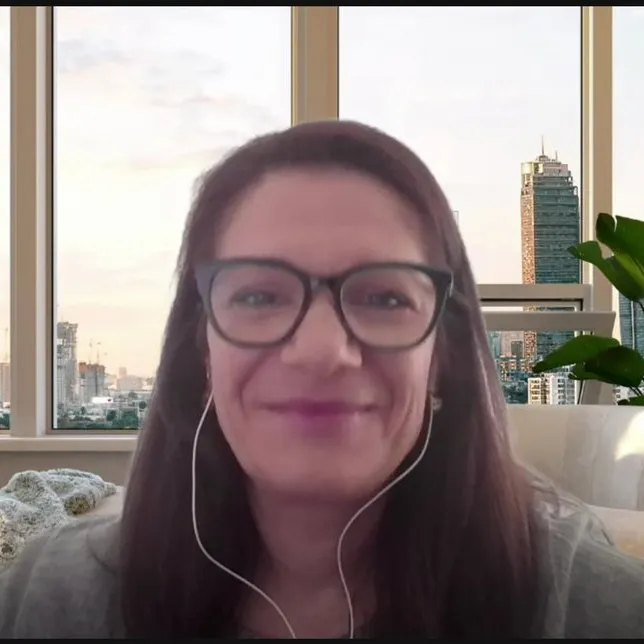
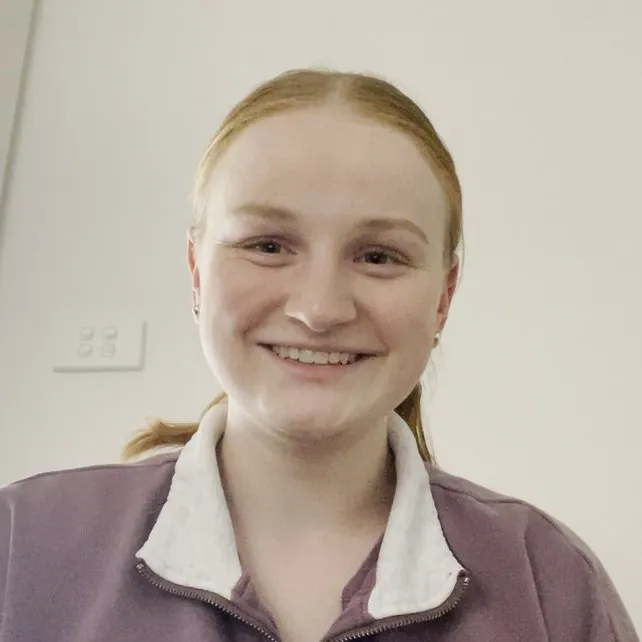
“She did her catch-up work over summer and lifted from Cs and Bs into the 80s and 90s.”
PriscillaParent of Zoe · Tutor Nazia

Trusted by 4,200+ Australian families
A 1-on-1 HSC Physics tutor, the same one every week. Lessons follow your school's HSC course, from the first unit to the final exam.
The same 1-on-1 HSC Physics tutor every week.
Who is the HSC Physics tutoring for?


Build a consistent relationship with one carefully selected tutor who knows the course inside out.

Each lesson is tailored to the student’s goals to ensure steady, meaningful progress.

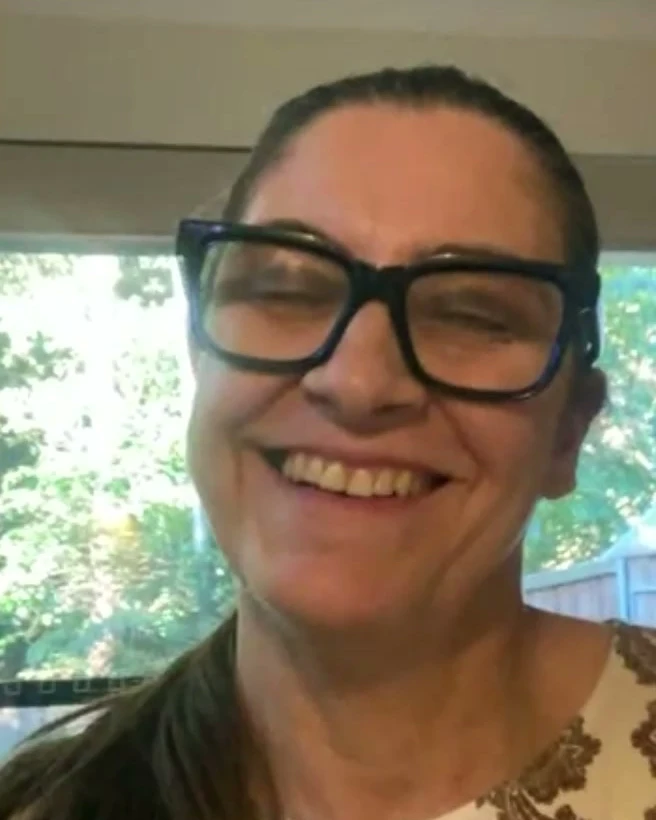
“I did my research and Tutero stood out. Our tutor is amazing. I would recommend Tutero to anyone who is looking for tutoring for their kids.”

“She was struggling, and I was trying to find a tutor. The minute I applied for Tutero, I got a call from Joey. I am so grateful that I did.”

“I was searching on Google and I found Tutero. It was convenient and easy to sign up. The tutoring has perfectly fit what we were after.”

Our education team handpicks the perfect tutor for each student based on their needs.

Every family is supported by a dedicated account manager from day one.

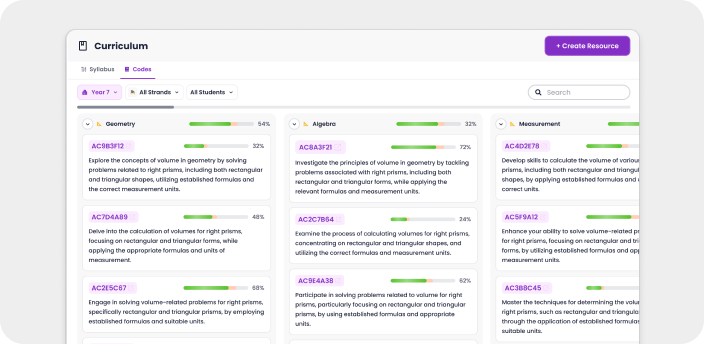
Students get access to thousands of engaging resources for every stage of learning.

Track progress with detailed lesson reports available anytime via our app.
Our education team handpicks the perfect tutor for each student based on their needs.
Every family is supported by a dedicated account manager from day one.
Students get access to thousands of engaging resources for every stage of learning.
Track progress with detailed lesson reports available anytime via our app.
4.9 stars from 263 Google reviews.
“She did her catch-up work over summer and lifted from Cs and Bs into the 80s and 90s.”
PriscillaParent of Zoe · Tutor Nazia
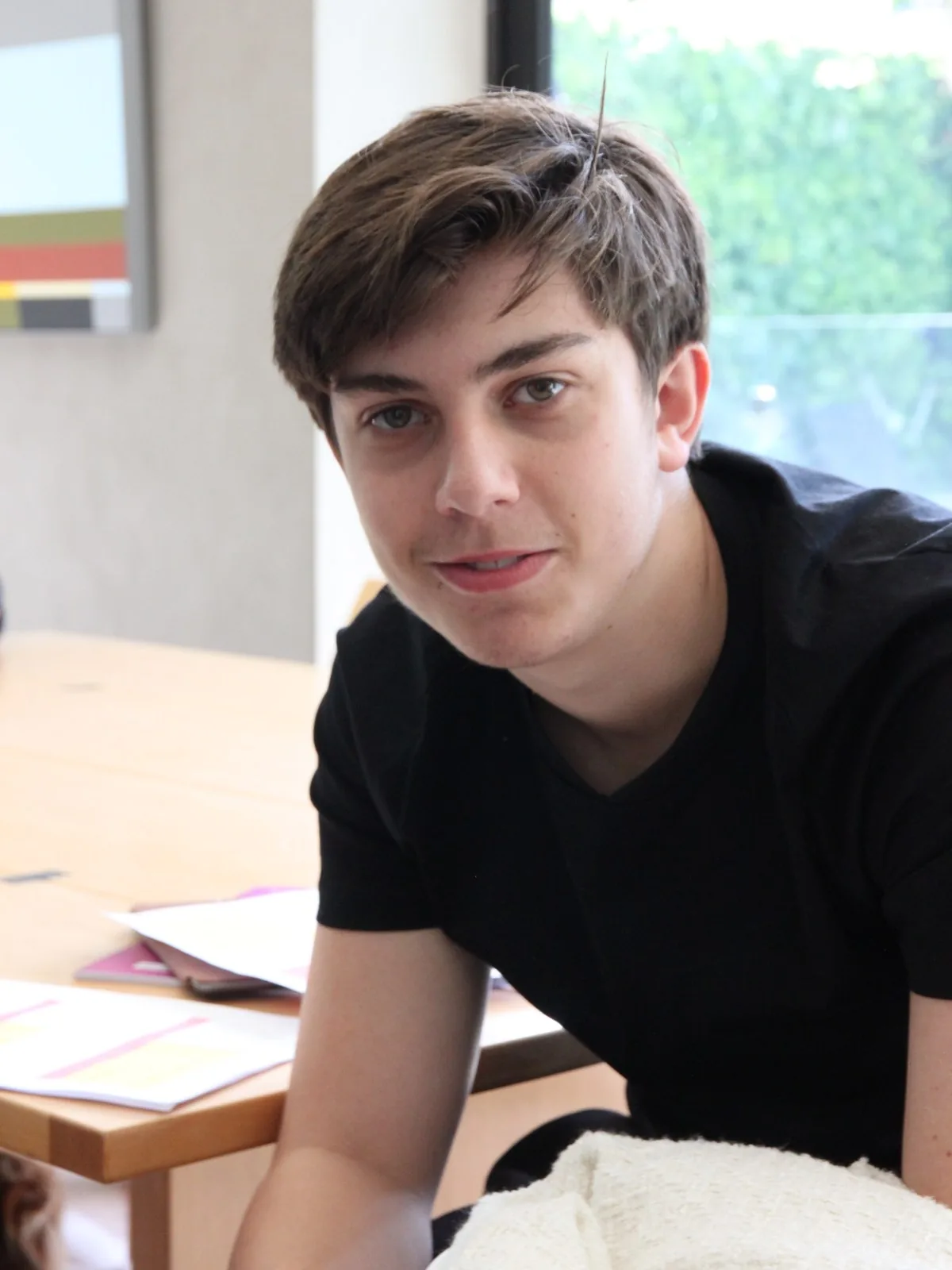
“My son’s grades have gone up 30% since starting with Tutero 6 months ago. As he is shy in class, having 1:1 tutoring has helped him clarify a lot of core concepts and now he is much better equipped for HSC.”
“My son’s grades have gone up 30% since starting with Tutero 6 months ago. As he is shy in class, having 1:1 tutoring has helped him clarify a lot of core concepts and now he is much better equipped for HSC.”
Four ways to get help with HSC Physics tutoring, side by side.
| Tutero | Tutoring centre | Tutor marketplace | Help at school | |
|---|---|---|---|---|
| One tutor per student | Always | Small groups | You vet | Shared |
| Their own curriculum | Every lesson | Sometimes | Depends | Yes |
| Written report | Every lesson | Rarely | Rarely | Rarely |
| Commitment | None | By the term | Varies | School year |
HSC Physics tutoringFrom A$65 an hour, the same rate at every level. No contracts, no sign-up fee. Pay after each lesson.
Get my quoteFrom A$65 an hour, the same rate in Year 11 and Year 12. A qualified teacher is from A$75 an hour. There are no contracts and no sign-up fee, and you pay after each lesson.
Every HSC subject, with one tutor per subject. Common choices are maths from Standard to Extension 2, English Standard, Advanced and Extension, biology, chemistry, physics, economics, legal studies and business studies.
Yes. HSC tutors include qualified teachers and high-achieving HSC graduates who know NESA requirements, assessment tasks and final exam expectations. They are selected from the top 2% of applicants.
Yes. Tutors plan lessons around your child’s assessment schedule, explain the marking criteria and practise the skills each task needs, so every task gets proper preparation.
Yes. Lessons cover revision plans, past HSC papers, exam technique and timing. Tutors help students find weak areas early and work on them before trials and the final exams.
Tell us about your child and an account manager calls within 24 hours to learn their goals and choose their tutor. Lessons then start 1-on-1, with the same tutor each week and a report after every lesson.
How HSC Physics works, and where a tutor makes the difference.
HSC Physics asks students to do more than recall formulas. NESA’s Stage 6 syllabus expects them to set up problems from first principles, interpret experimental data, work through extended mathematical relationships, and write responses that demonstrate genuine physical reasoning against the marking criteria.
The Preliminary course covers Module 1 (Kinematics), Module 2 (Dynamics), Module 3 (Waves and Thermodynamics), and Module 4 (Electricity and Magnetism). These four modules are the foundation everything in Year 12 builds on, and the students who struggle most in Year 12 are almost always the ones who didn’t fully consolidate Year 11.
Year 12 Physics covers Module 5 (Advanced Mechanics), Module 6 (Electromagnetism), Module 7 (The Nature of Light), and Module 8 (From the Universe to the Atom). Students work with circular motion, projectile and orbital mechanics, electromagnetic induction, wave-particle duality, special relativity, and the standard model.
What HSC Physics students work on at each stage, and how a tutor helps.
Year 11 starts with motion in one and two dimensions, then dynamics: Newton's laws, friction, energy and momentum.
A 1200 kg car accelerates at 2.5 m/s2. Find the net force.
Answer3000 N
Makes vectors and Newton's laws second nature, because every Year 12 module uses them.
Based on the NESA Physics Stage 6 Syllabus (2017), Year 11 Modules 1 and 2.
Module 3 covers waves, sound, light and thermodynamics. Module 4 covers electricity and magnetism: fields, circuits and magnets.
A wave has frequency 50 Hz and wavelength 4 m. Find its speed.
Answer200 m/s
Connects formulas to what is physically happening, so unfamiliar questions feel manageable.
Based on the NESA Physics Stage 6 Syllabus (2017), Year 11 Modules 3 and 4.
Year 12 opens with advanced mechanics: projectiles, circular motion and gravity. Module 6 covers electromagnetism: charged particles, motors, generators and transformers.
A transformer has 200 primary turns and 50 secondary turns. The input is 240 V. Find the output voltage.
Answer60 V
Breaks projectile and orbit problems into clear steps, then practises them until the method sticks.
Based on the NESA Physics Stage 6 Syllabus (2017), Year 12 Modules 5 and 6.
Module 7 traces the nature of light through to special relativity and the photoelectric effect. Module 8 runs from the origins of the universe to the nucleus.
Light of frequency 6.0 × 10¹⁴ Hz hits a metal. Find the photon energy. (h = 6.63 × 10⁻³⁴ J s)
Answer3.98 × 10−19 J
Explains the big ideas in modern physics clearly, then links each one to the evidence the exam asks about.
Based on the NESA Physics Stage 6 Syllabus (2017), Year 12 Modules 7 and 8.
Students complete a depth study of at least 15 hours in each of Year 11 and Year 12, and run mandatory practicals the exam can ask about.
A pendulum swings 10 times in 14.0 s. Find its period.
Answer1.40 s
Helps design the investigation, handle uncertainty and turn raw data into a straight line graph.
Based on the NESA Physics Stage 6 Syllabus (2017), Working Scientifically and depth studies.
The 3 hour exam covers the Year 12 modules, with 20 multiple choice questions then short and extended responses. It counts for half the HSC mark.
A satellite orbits at radius 7.0 × 10⁶ m at 7.5 × 10³ m/s. Find its centripetal acceleration.
Answer8.0 m/s2
Times past papers and marks working against NESA guidelines, so method marks are never left on the table.
Based on the NESA Physics Stage 6 Syllabus (2017); NESA HSC exam specifications.
Who is the tutoring for?