




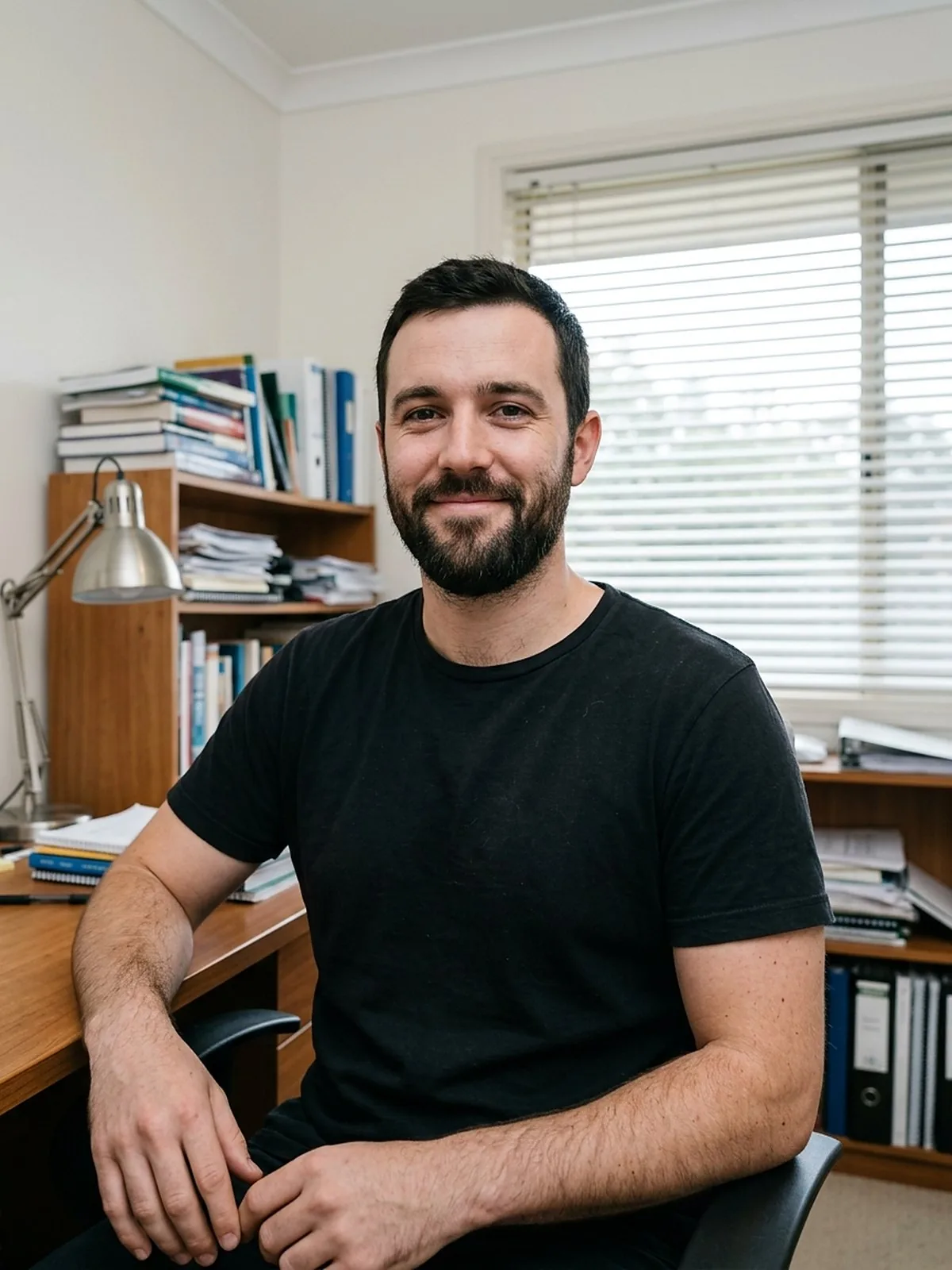
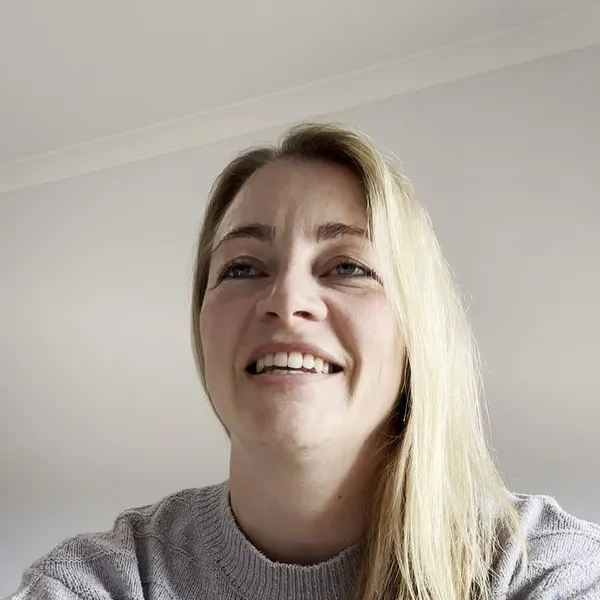
Recorded interview
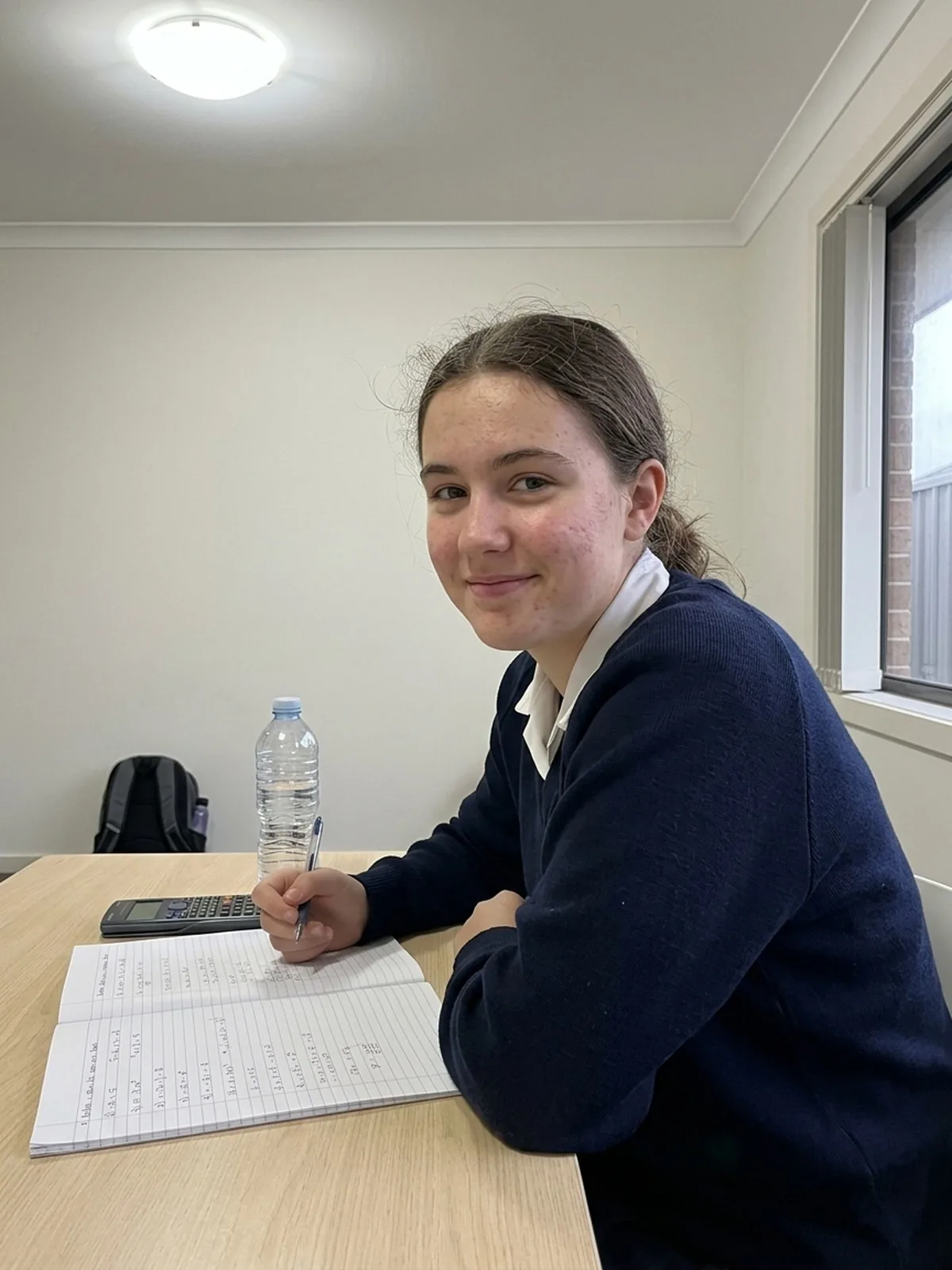
“She went from struggling to pass to winning an award in chemistry.”
JayneParent of Mia · Tutor Ishaan

Trusted by 4,200+ Australian families
A 1-on-1 chemistry tutor, the same one every week, for HSC Modules 1 to 8, from the mole and equilibrium to organic chemistry and the exam.
1-on-1 lessons for HSC Chemistry. Same tutor, every week.
Who is the chemistry tutoring for?
From Chatswood and Epping to Castle Hill, Parramatta and Hurstville, Sydney students keep the same chemistry tutor every week, planned around school assessment tasks, trials and the HSC exam.
We match you with a tutor who knows HSC Chemistry. You keep the same tutor, at the same time, every week, all the way to your exams.
Your tutor sets goals around your class and your assessments, then reviews your progress and adjusts the program as you go.
Weekly lessons after school or on weekends, planned around your assessment tasks, the depth study, trials and the HSC exam.
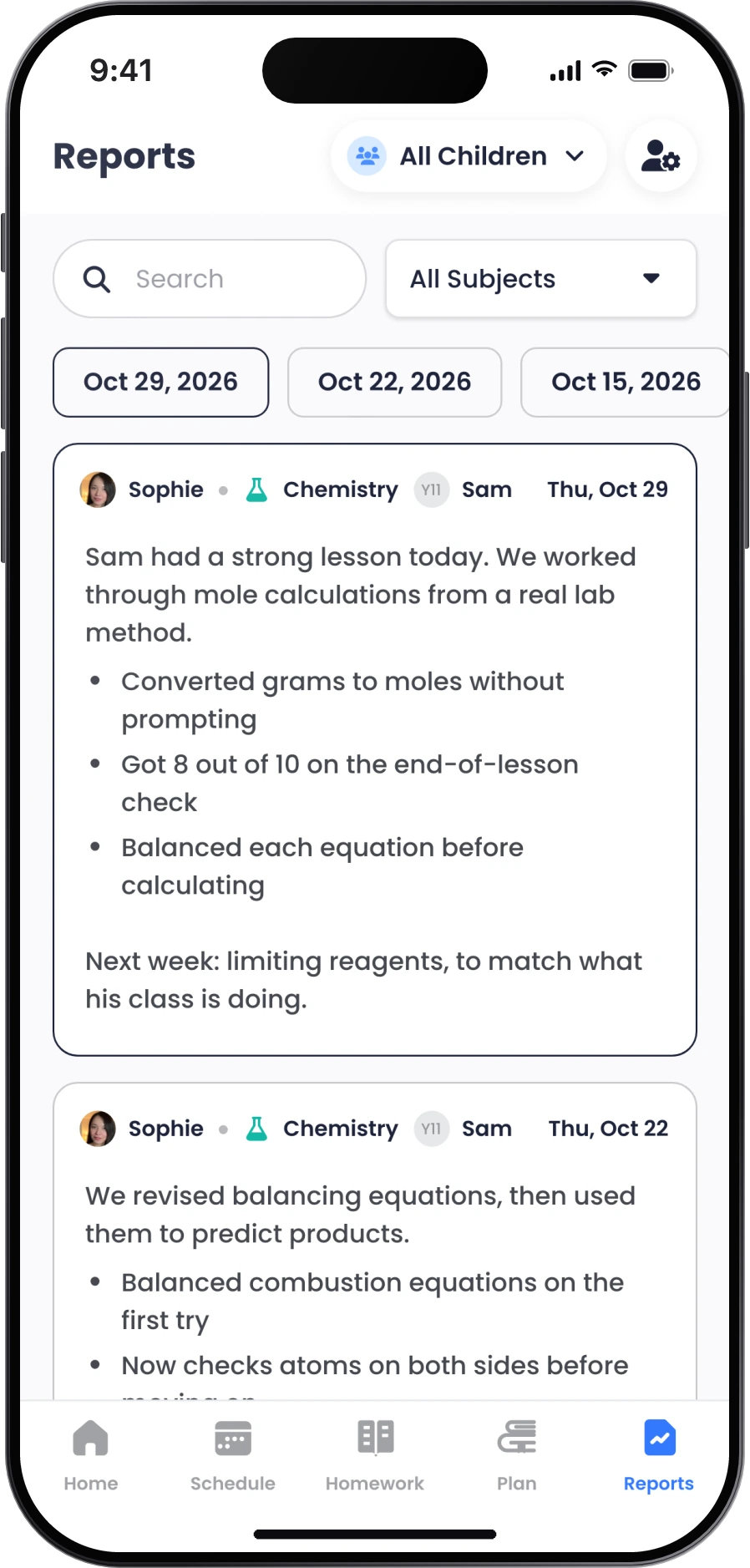
After every lesson you and your parents get a written report: what was covered, how it went and what comes next.
4.9 stars from 250+ Google reviews.
“She went from struggling to pass to winning an award in chemistry.”
JayneParent of Mia · Tutor Ishaan
“My daughter is Year 12 and was facing some challenges with her chemistry. I spoke to Bailey at Tutero and he did a comprehensive review of her needs and matched her with Imogen as her tutor.”
“My son’s grades have gone up 30% since starting with Tutero 6 months ago. As he is shy in class, having 1:1 tutoring has helped him clarify a lot of core concepts and now he is much better equipped for HSC.”
Four ways to get chemistry help in Sydney, side by side.
| Tutero | Tutoring centre | Tutor marketplace | Help at school | |
|---|---|---|---|---|
| One tutor per student | Always | Small groups | Depends | Shared |
| Follows their class | Every lesson | Sometimes | Depends | Yes |
| Written report | Every lesson | Rarely | Rarely | Rarely |
| Commitment | None | By the term | Varies | School year |
chemistry tutoring in SydneyFrom A$65 an hour, the same rate at every year level. No contracts, no sign-up fee. Pay after each lesson.
Get my quoteHow HSC Chemistry is assessed, and what the 2028 syllabus change means for you.
Year 11 covers Modules 1 to 4 and Year 12 Modules 5 to 8. Some university courses list chemistry as assumed knowledge, so check UAC before choosing Year 11 subjects.
Module 2 adds the mole, concentration and gas laws, and Year 12 equilibrium and titrations are built on them. A gap in Year 11 shows up in every Year 12 module.
Half your HSC mark is Year 12 school assessment, which includes a depth study, and half is the 3-hour exam.
The new syllabus starts with Year 11 in 2028, with its first HSC exam in 2029. Students in Year 11 in 2026 or 2027 stay on Modules 1 to 8.
From A$65 an hour, the same rate for Year 10 science as for Year 12 HSC Chemistry. There’s no contract or sign-up fee, and you pay after each lesson.
Yes. We match you with a tutor who knows HSC Chemistry, so lessons follow your school’s modules, assessment tasks, depth study and trial exams.
Yes. NESA’s new Chemistry 11 to 12 syllabus starts with Year 11 in 2028, and the first HSC exam under it is in 2029. Students in Year 11 in 2026 or 2027 finish on the current syllabus, Modules 1 to 8.
Yes. A tutor can help you plan the question, process your data and write up your findings, while the investigation and the final report stay your own work.
What Sydney students learn in chemistry at every year level, and how a chemistry tutor helps.
In Stage 5 science, chemistry covers atomic structure, the periodic table and chemical reactions. Year 11 Chemistry starts from there and moves to the mole within the first two modules.
Balance: CH4 + O2 → CO2 + H2O
AnswerCH4 + 2O2 → CO2 + 2H2O
Makes formulas and balancing automatic before Year 11, so Module 2 can focus on the mole.
Based on the NSW Science K to 10 Syllabus, Stage 5.
Year 11 covers the structure of matter, quantitative chemistry, reactive chemistry and the drivers of reactions. The mole and concentration in Module 2 are used in every module after it.
What is the mass of 0.250 mol of NaCl? (M = 58.44 g mol−1)
Answer14.6 g
Builds the quantitative skills from Module 2 first, because equilibrium and titration in Year 12 depend on them.
Based on the NESA Chemistry Stage 6 Syllabus (2017), Year 11 modules.
Year 12 covers equilibrium, acid and base reactions, organic chemistry and applying chemical ideas, including the analysis of unknown substances. Half your HSC mark is Year 12 school assessment and half is the 3-hour exam.
What is the pH of 0.010 mol L−1 HCl?
AnswerpH = 2.0
Works through past HSC questions module by module, then full papers under exam timing before trials.
Based on the NESA Chemistry Stage 6 Syllabus (2017), Year 12 modules.
Who is the tutoring for?