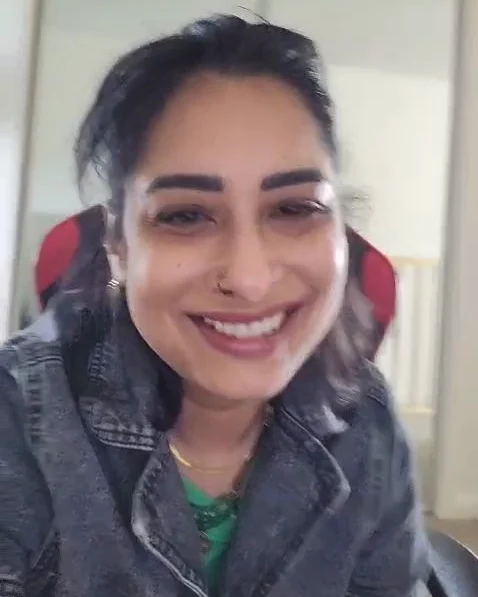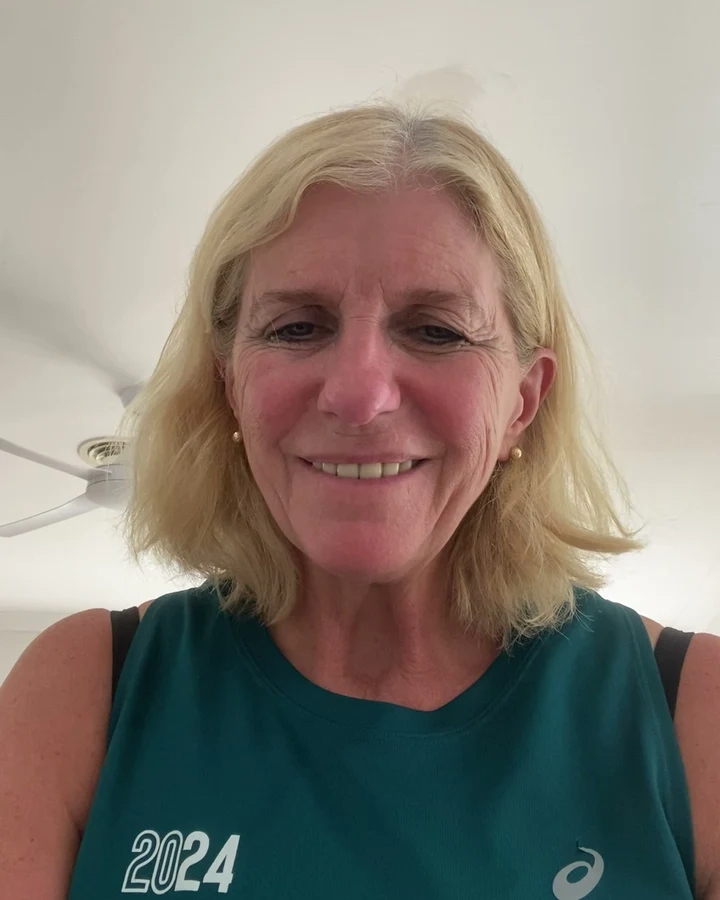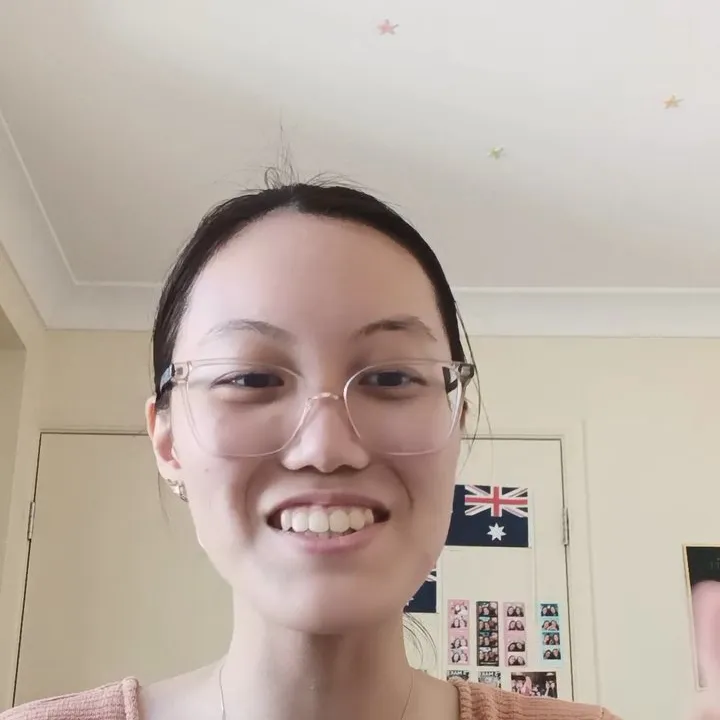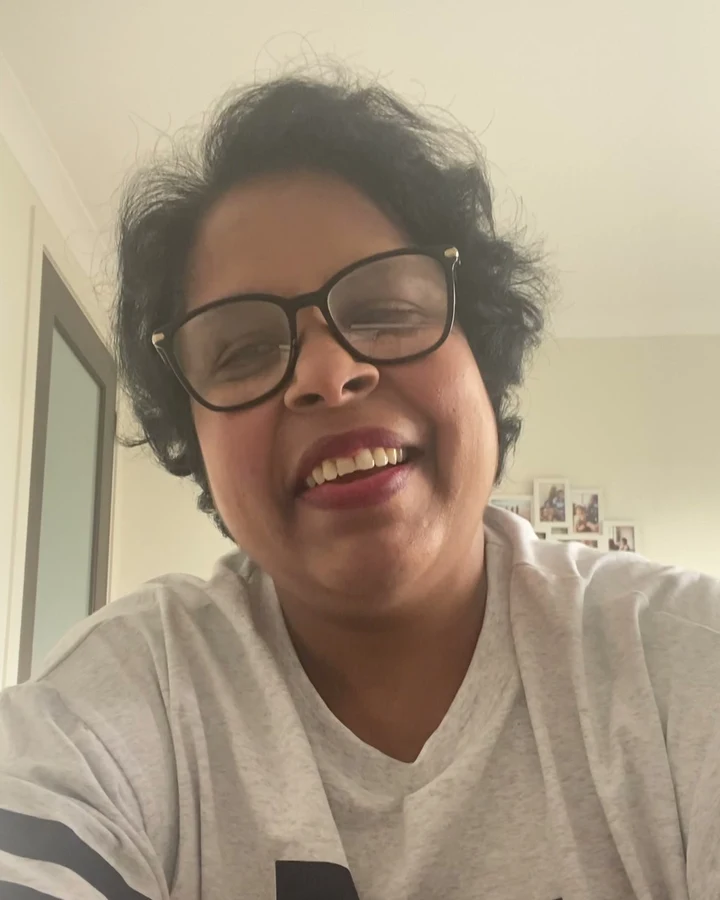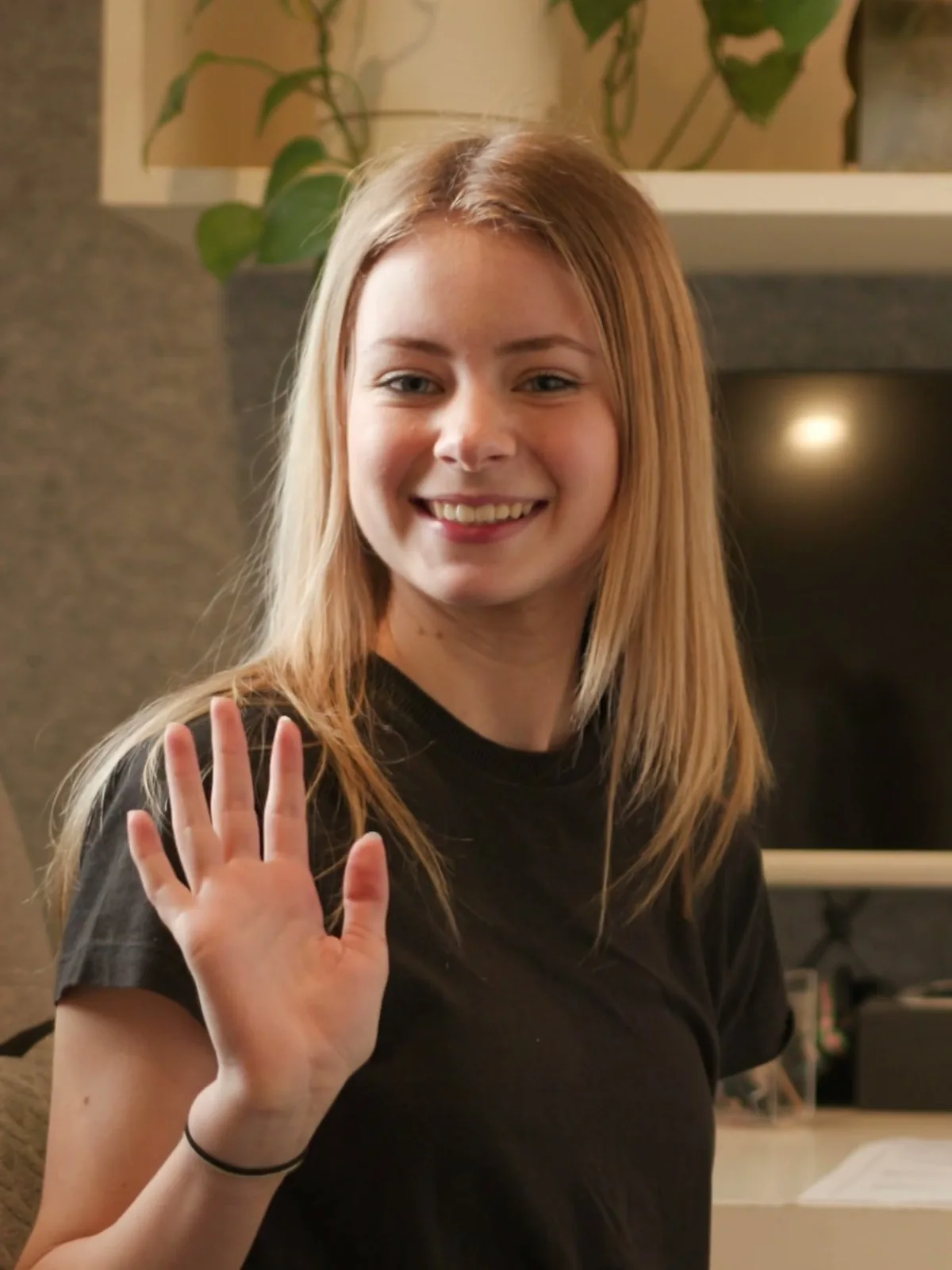


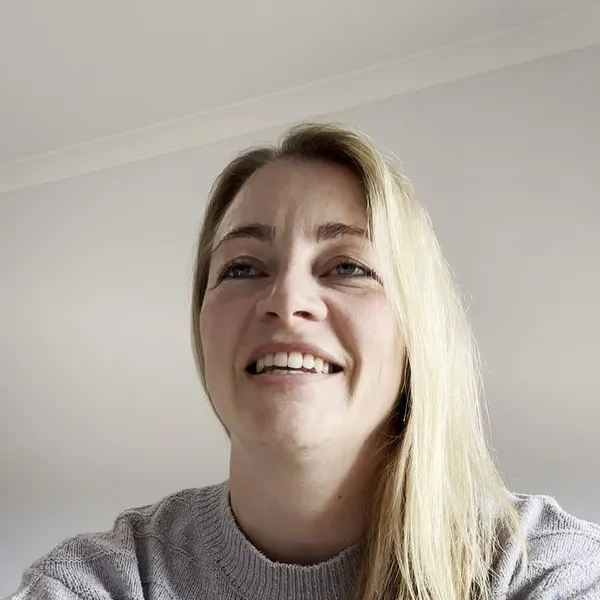
Recorded interview
“She went from struggling to pass to winning an award in chemistry.”
JayneParent of Mia · Tutor Ishaan

Trusted by 4,200+ Australian families
A 1-on-1 chemistry tutor, the same one every week, for VCE Units 1 to 4, from the mole to fuels, cells, equilibrium and organic chemistry.
1-on-1 lessons for VCE Chemistry. Same tutor, every week.
Who is the chemistry tutoring for?
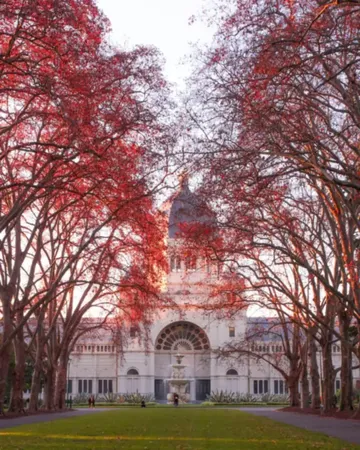
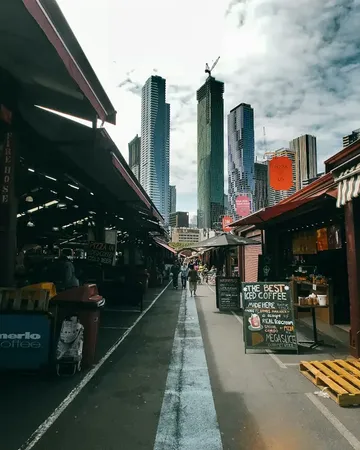
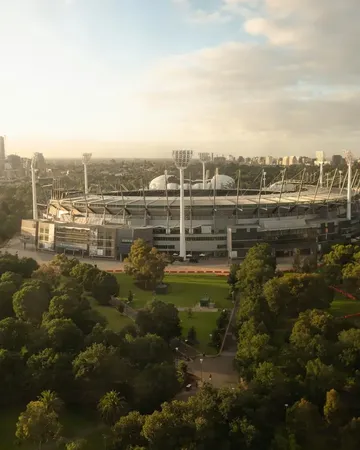
From Glen Waverley and Doncaster to Point Cook and Berwick, Melbourne students keep the same chemistry tutor every week, planned around school SACs and the VCE exam period, which runs from late October into November.
We match you with a tutor who knows VCE Chemistry. You keep the same tutor, at the same time, every week, all the way to your exams.
Your tutor sets goals around your class and your assessments, then reviews your progress and adjusts the program as you go.
Weekly lessons after school or on weekends, planned around your SAC calendar, the Unit 4 investigation and the end-of-year exam.
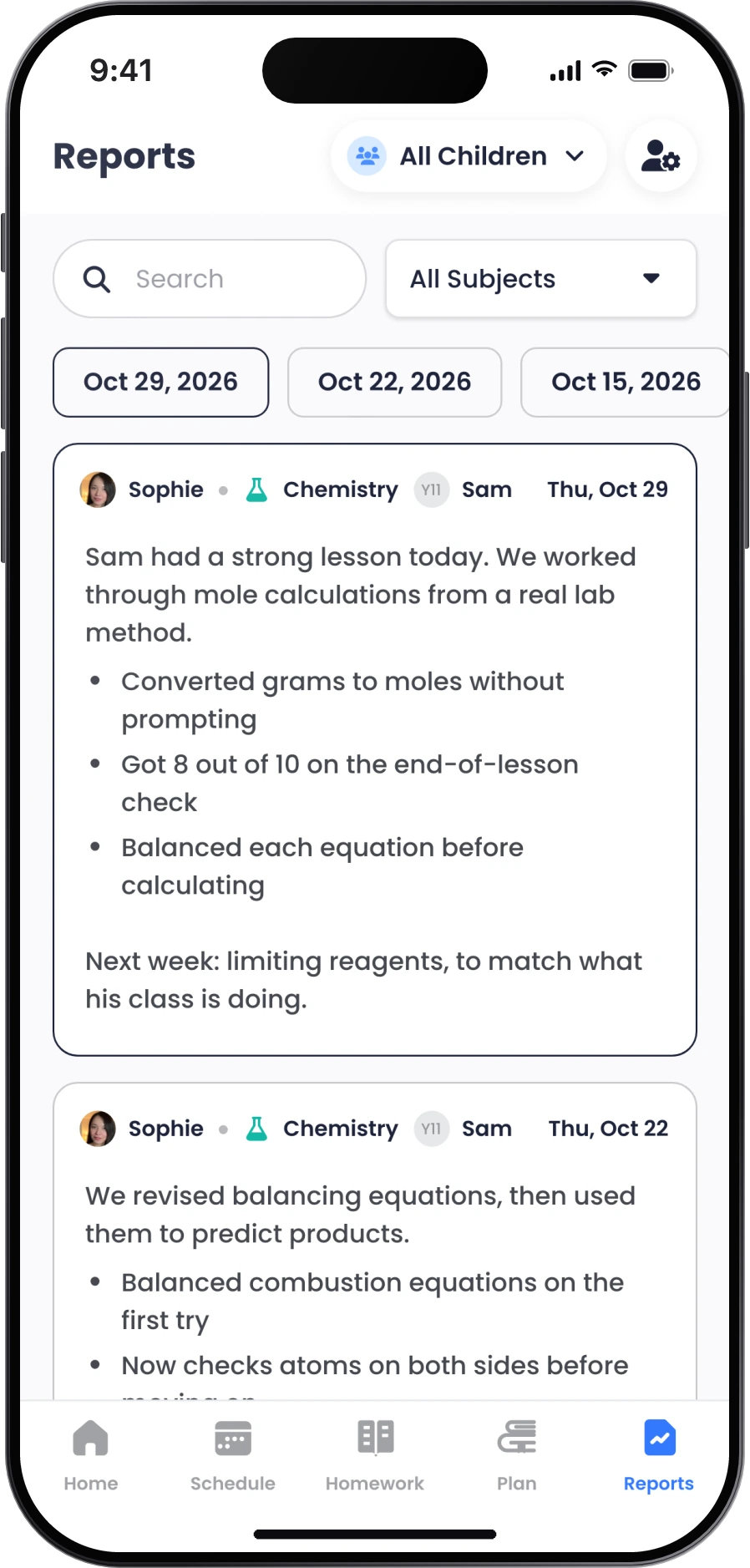
After every lesson you and your parents get a written report: what was covered, how it went and what comes next.
4.9 stars from 250+ Google reviews.
“She went from struggling to pass to winning an award in chemistry.”
JayneParent of Mia · Tutor Ishaan
“My daughter is Year 12 and was facing some challenges with her chemistry. I spoke to Bailey at Tutero and he did a comprehensive review of her needs and matched her with Imogen as her tutor.”
“I felt like my grades were poor for my standard in VCE Chemistry at the start of the year. I signed up with Tutero and was given a wonderful tutor. I observed a 39% rise in my grades after our sessions began.”
Four ways to get chemistry help in Melbourne, side by side.
| Tutero | Tutoring centre | Tutor marketplace | Help at school | |
|---|---|---|---|---|
| One tutor per student | Always | Small groups | Depends | Shared |
| Follows their class | Every lesson | Sometimes | Depends | Yes |
| Written report | Every lesson | Rarely | Rarely | Rarely |
| Commitment | None | By the term | Varies | School year |
chemistry tutoring in MelbourneFrom A$65 an hour, the same rate at every year level. No contracts, no sign-up fee. Pay after each lesson.
Get my quoteHow VCE Chemistry is assessed, and where marks are most often lost between Year 10 and the exam.
Some university courses list Chemistry Units 3 and 4 as a prerequisite, so check the VTAC website before Year 10 subject selection. Units 3 and 4 are taken as a sequence, and that is where the study score comes from.
Unit 1 assumes you can write formulas and balance equations, then adds the mole. Most early trouble is one gap, often ionic formulas or rearranging n = m ÷ M, and it is easier to fix in Year 11 than in Unit 3.
The end-of-year exam is half the study score. Unit 4 includes a student-designed investigation, presented as a scientific poster of up to 600 words.
Rearranging n = m ÷ M and c = n ÷ V, mole ratios, scientific notation and significant figures decide many marks. Learn the VCE Data Book during the year, not in the last week.
From A$65 an hour, the same rate for Year 10 science as for Units 3 and 4. There’s no contract or sign-up fee, and you pay after each lesson.
Yes. We match you with a tutor who knows the current VCE Chemistry Study Design, so lessons follow your SACs, the Unit 4 student-designed investigation and the end-of-year exam.
Unit 3 SACs count for 20 per cent of the study score and Unit 4 SACs for 30 per cent. The two-and-a-half-hour exam counts for the other 50 per cent. The Unit 4 SACs include a scientific poster on an investigation you design yourself.
Many students start in Year 10 or early in Unit 1, before the mole and stoichiometry arrive. Others start in Unit 3, when SACs begin to count towards the study score.
What Melbourne students learn in chemistry at every year level, and how a chemistry tutor helps.
Chemistry sits inside Year 9 and 10 science in the Victorian Curriculum: atoms, the periodic table, equations and reaction types. It is the base VCE Chemistry Unit 1 assumes.
Balance: Mg + HCl → MgCl2 + H2
AnswerMg + 2HCl → MgCl2 + H2
Makes formulas and balancing automatic before Year 11, so Unit 1 can focus on the mole.
Based on the Victorian Curriculum Science Version 2.0, Levels 9 and 10.
Unit 1 asks how the diversity of materials can be explained; Unit 2 asks how chemical reactions shape the natural world. The mole arrives in Unit 1 and is used in every unit after it.
How many moles are in 9.0 g of water? (M = 18.0 g mol−1)
Answer0.50 mol
Drills n = m ÷ M until it is automatic, then builds concentration and gas calculations on top of it.
Based on the VCAA VCE Chemistry Study Design, Units 1 and 2 (2023 to 2027).
Unit 3 covers fuels, cells, reaction rates, equilibrium and electrolysis; Unit 4 covers organic compounds, their analysis and medicinal chemistry. SACs count for 50 per cent and the exam for 50 per cent.
Burning 1 mol of methane releases 890 kJ. How much energy comes from 8.00 g of methane? (M = 16.0 g mol−1)
Answer445 kJ
Plans each SAC weeks ahead, works through the Unit 4 investigation design, and practises full past exams with the VCE Data Book.
Based on the VCAA VCE Chemistry Study Design, Units 3 and 4 (2024 to 2027).
Who is the tutoring for?