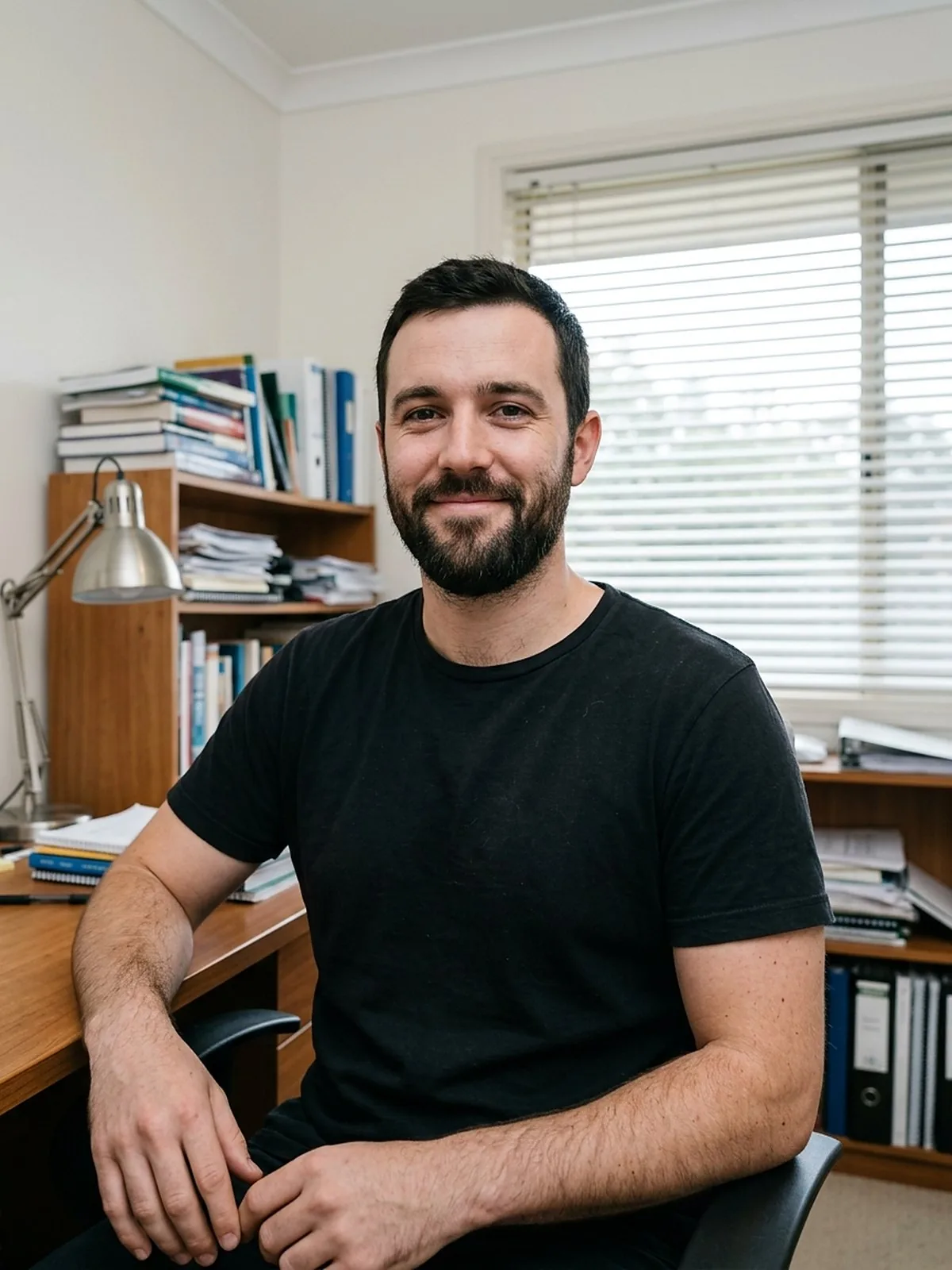







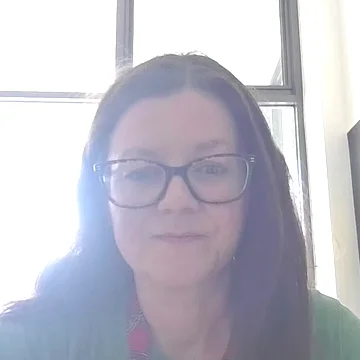
Kerry Mcclean
Biology Specialist
Master of Education
“My proudest moments are when students reach their goal of getting into their chosen uni course.”
Request a tutor like Kerry
Trusted by 4,200+ families
A 1-to-1 tutor for students aged 5 to 18, the same one every week. Every subject, from reading and times tables to GCSEs and A levels.
The same 1-to-1 tutor every week. Ages 5 to 18, every subject.
Who is the tutoring for?

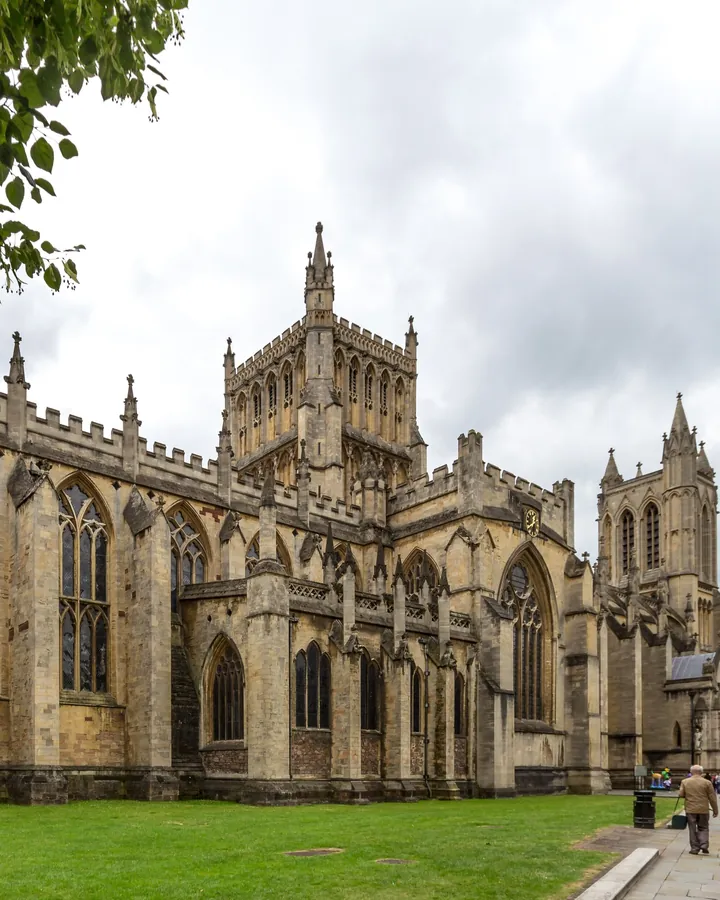
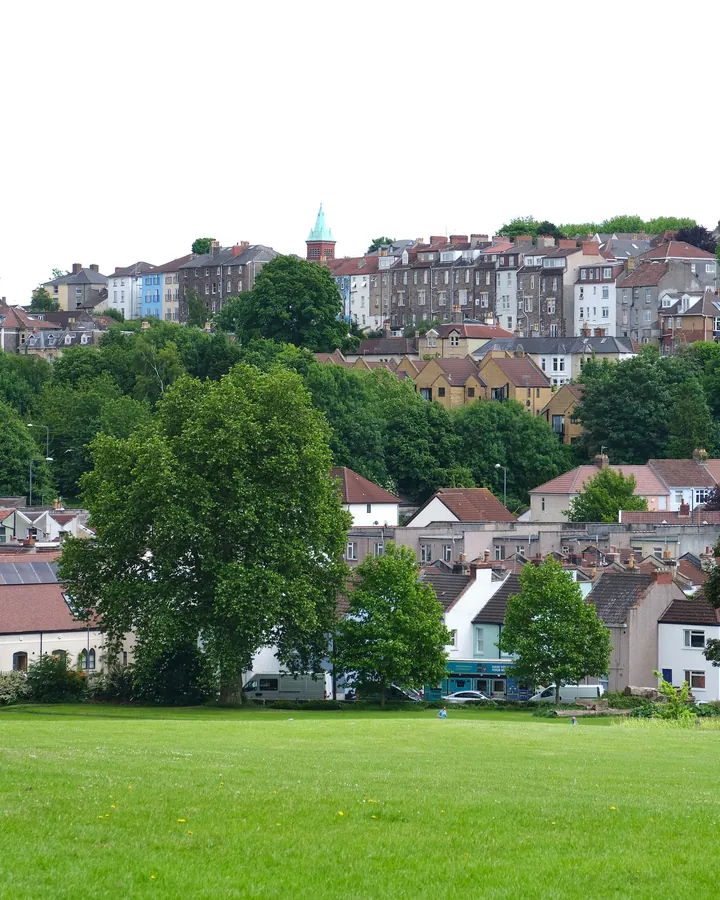
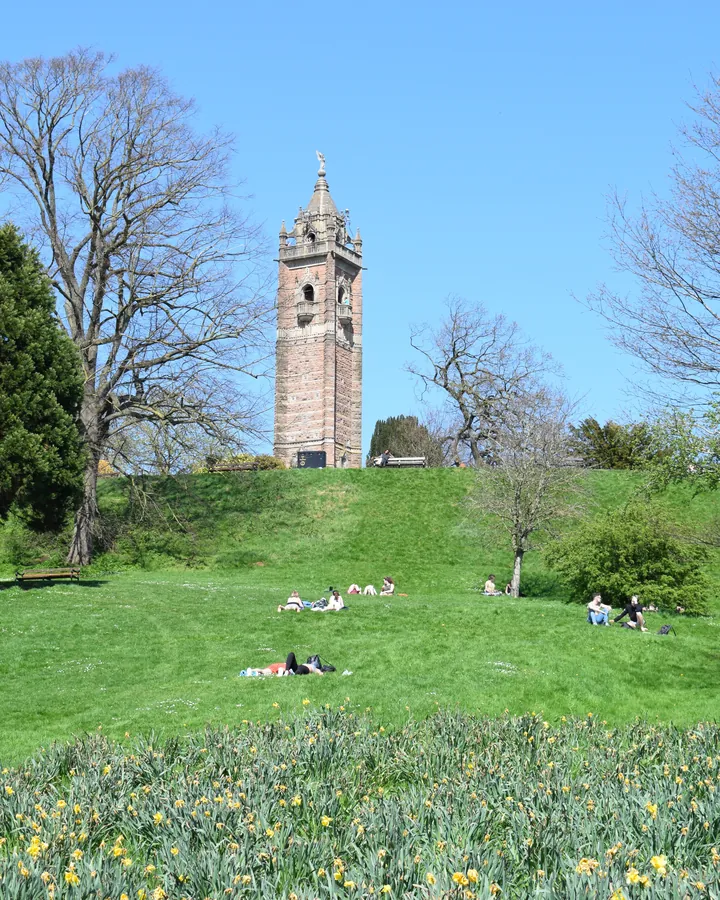
From Clifton to Bishopston, Bristol families keep the same tutor every week, with lessons that follow the National Curriculum, GCSEs and A levels.
Biology Specialist
Master of Education
“My proudest moments are when students reach their goal of getting into their chosen uni course.”
Request a tutor like Kerry
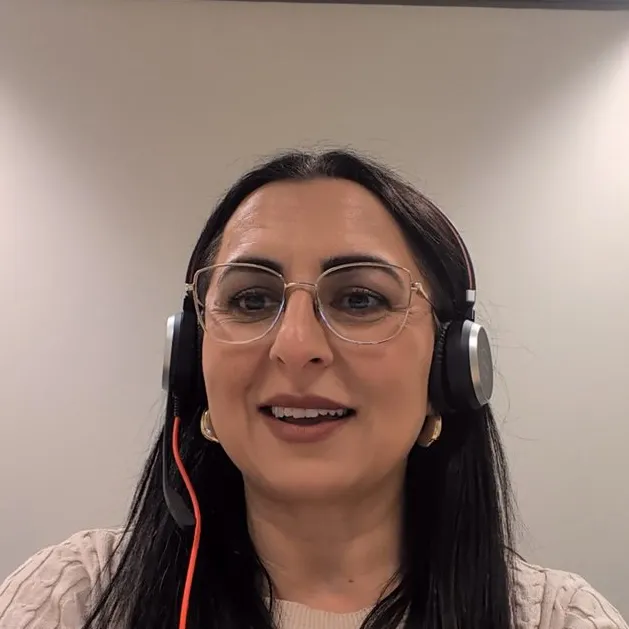
Maths and Entrance Exams
Entrance exam prep
“My proudest moment was a student telling me she could answer most of the questions on her entrance exam.”
Request a tutor like Lilian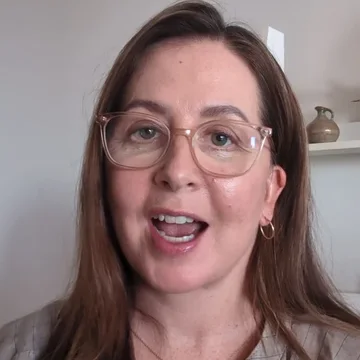
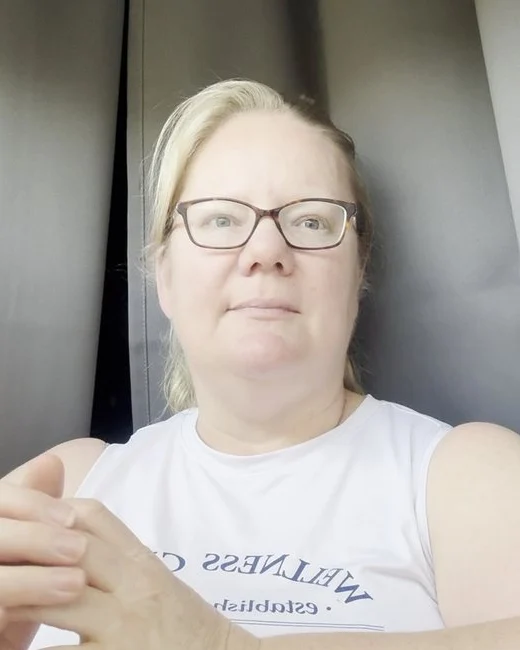
English and Essay Writing
Qualified teacher
“I started teaching because I love books and writing, and I want my students to love them too.”
Request a tutor like NatalieMatched to your child's year and school. The same tutor every week.
Goals set around what your child is learning, reviewed as they go.
After school or on weekends, timed around tests and assessments.
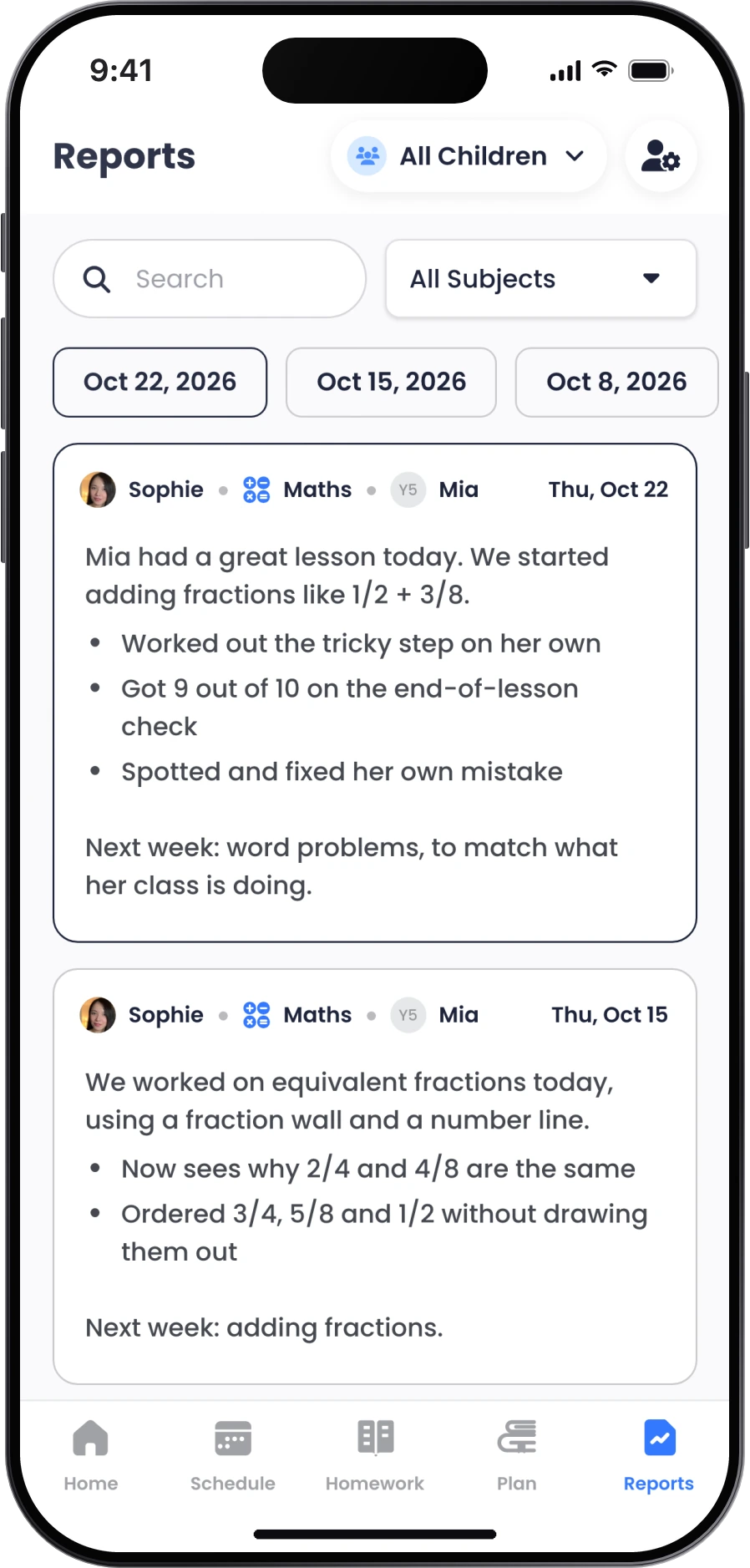
What was covered, how it went and what comes next.
4.9 stars from 250+ Google reviews.

“I used to rate myself a three. Now my confidence is an eight or a nine.”
XuelaStudent
“Tutero has really helped me lift up my grades significantly. My tutor has also helped me pinpoint what I need to work on most and how I can improve.”
“I highly recommend Tutero. It was very easy to find a tutor and the coaching and the materials are amazing. Thanks to Nathan and Naz for the guidance.”
Four ways to get help with tutoring in Bristol, side by side.
| Tutero | Tutoring centre | Tutor marketplace | Help at school | |
|---|---|---|---|---|
| One tutor per student | Always | Small groups | You vet | Shared |
| Their own curriculum | Every lesson | Sometimes | Depends | Yes |
| Written report | Every lesson | Rarely | Rarely | Rarely |
| Commitment | None | By the term | Varies | School year |
tutoring in BristolFrom £45 an hour, the same rate at every level. No contracts, no sign-up fee. Pay after each lesson.
Get my quoteFrom £45 an hour, the same rate from Reception to Year 13. A qualified teacher is from £65 an hour. There are no contracts or sign-up fee, and you pay after each lesson. All prices are in GBP.
Every school subject, from reading, writing and Maths in primary school to GCSE and A level subjects such as chemistry, physics, biology, psychology and economics. Lessons start from your child’s own school work.
Yes. Older students are matched with a tutor who knows their subject and exam board, so lessons follow mocks, coursework and exam preparation. Every tutor is selected from the top 2% of applicants.
Students aged 5 to 18, from Reception to Year 13. Younger students build reading, writing and number skills. Older students get help with homework, tests, SATs, GCSEs and A levels.
Your child works 1-to-1 with the same tutor at the same time each week, starting from their own school work. After every lesson the tutor writes a short report, so you can see what was covered and what comes next.
Tell us about your child and an account manager calls within 24 hours to learn their goals and choose their tutor. There are no contracts, and you can cancel any time.
How school works in England, from SATs to GCSEs and A levels, and when tutoring helps most.
GCSEs and A levels in England are regulated by Ofqual and set by exam boards such as AQA, Pearson Edexcel, OCR and WJEC Eduqas. GCSEs are graded 9 to 1. A 4 is a standard pass and a 5 a strong pass, and most subjects are decided by exams at the end of Year 11.
A levels are graded A* to E, and every exam is sat at the end of Year 13. Universities make offers through UCAS in grades or tariff points, so steady work across both sixth form years matters.
Schools in England run from September to July in three terms: autumn, spring and summer, each with a half term. The national checks in primary school and the GCSE and A level exams follow the same pattern every year, and your child’s school will share the exact weeks.
Students usually choose GCSE options in Year 9. English, Maths and science are studied by almost everyone, then students add subjects such as history, geography, a language or the arts. Pick subjects your child enjoys and can do well in.
For sixth form, most students take three A levels, and many sixth forms set GCSE grade requirements for each one. Check the subjects that university courses your child is considering ask for, then try real A level questions before choosing.
Most families start when a subject begins to feel hard, rather than the week before a test. In primary school that is often reading, spelling or times tables. In secondary school it is usually Year 7, when algebra and essay writing arrive, or Year 10, when GCSE courses begin.
In Year 11 and Year 13, lessons follow the school’s mock calendar: prepare for each mock, then use the results to plan revision. After mocks, lessons move to past papers under exam timing, with short review sessions in the weeks before exams start.
Tutero matches your child, ages 5 to 18, with a 1-to-1 tutor who knows the National Curriculum, GCSEs and A levels. Bristol families keep the same tutor at the same time each week, lessons start from your child’s own school work, and you get a written report after every lesson. A qualified teacher is from £65 an hour.
What students in England learn at every year level, and how a tutor helps.
Reception follows the Early Years Foundation Stage. Key Stage 1 then builds phonics, early reading and counting, with place value and adding by Year 2. The phonics check is in June of Year 1.
What is 9 + 7?
Answer16
Secures sounds and number facts early, when they are far easier to build than to repair later.
Based on the DfE Statutory framework for the EYFS; National Curriculum in England, Key Stage 1.
Key Stage 2 builds comprehension, grammar and planned writing, with times tables, fractions and decimals in Maths. The multiplication tables check is in Year 4 and SATs are in May of Year 6.
The lights went out at exactly seven o'clock. In the dark, Sam heard the back gate swing open, then shut again.
Builds paragraph and number skills before secondary school, while habits are easiest to change.
Based on the DfE National Curriculum in England, Key Stage 2; STA assessment and reporting arrangements.
Key Stage 3 brings algebra, equations and ratio in Maths, and analytical writing about novels, plays and poems in English. GCSE options are usually chosen in Year 9.
Solve 3x + 5 = 20.
Answerx = 5
Explains each step of working clearly, so your child can tackle new problems instead of relying on memory.
Based on the DfE National Curriculum in England, Key Stage 3.
Key Stage 4 is the GCSE years. Most subjects are assessed by exams at the end of Year 11, graded 9 to 1.
The poet repeats the word 'empty' across three stanzas, so the absence grows louder each time we read it.
Strengthens essays and algebra before the exams, and helps your child plan revision across subjects.
Based on the Ofqual GCSE 9 to 1 grading; AQA, Pearson Edexcel and OCR specifications.
Most sixth form students take three A levels, graded A* to E, with exams at the end of Year 13. Others take the IB or vocational courses.
Differentiate y = 3x2 − 4x + 1.
Answerdy/dx = 6x − 4
Keeps each subject on track week by week and works through past papers under exam timing.
Based on the DfE GCE AS and A level subject content; Ofqual GCE qualification level conditions.
Who is the tutoring for?