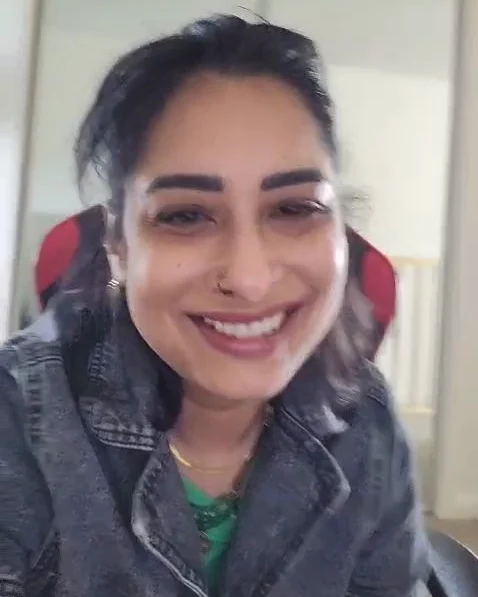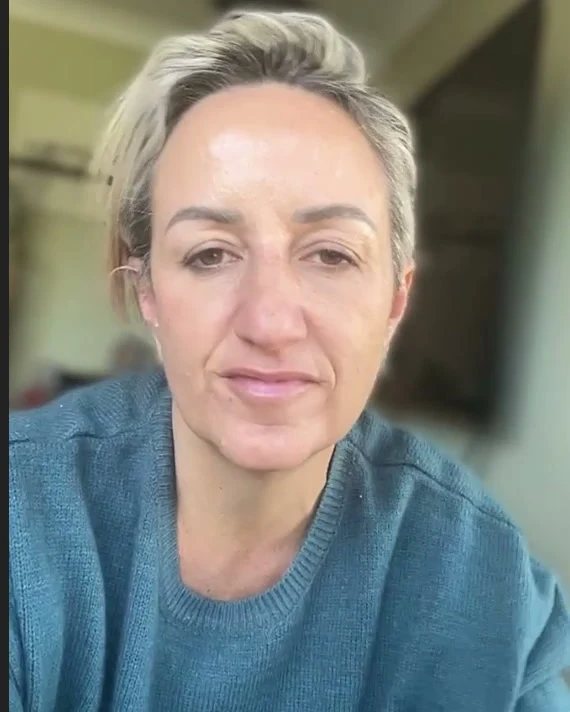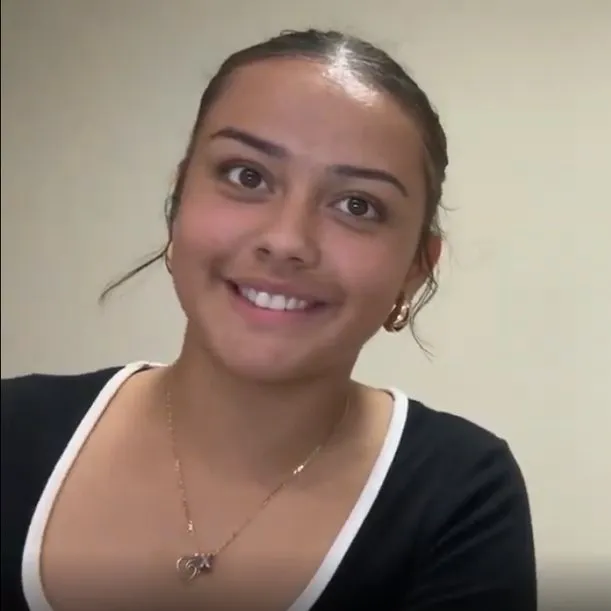
Recorded interview
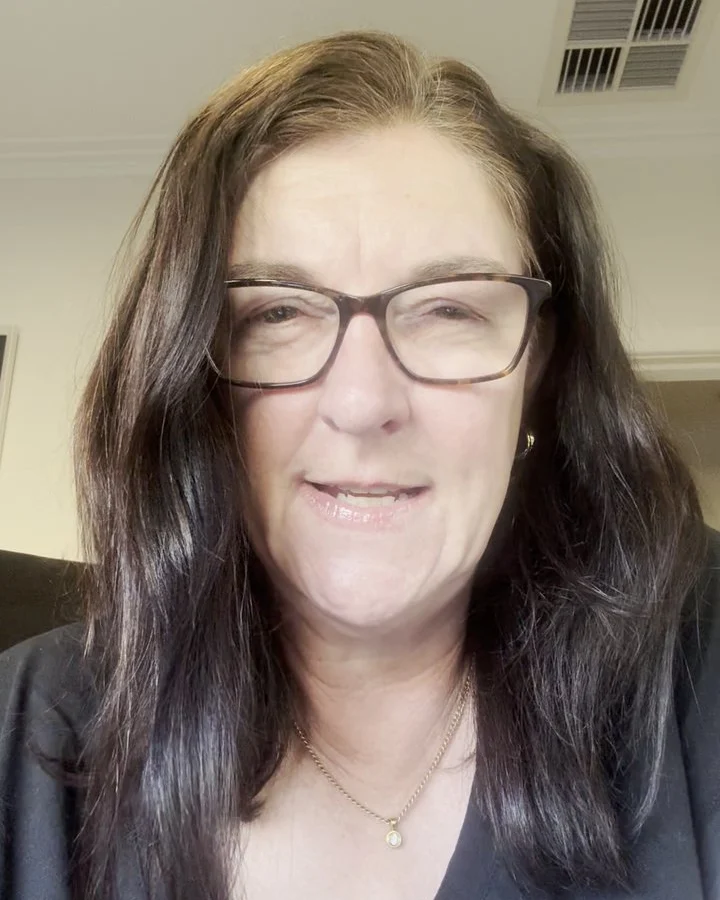
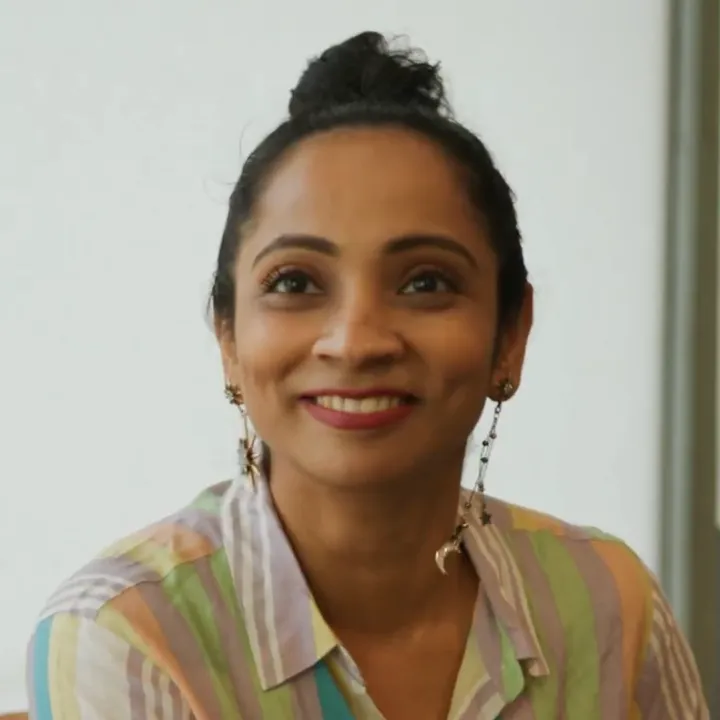
“I used to rate myself a three. Now my confidence is an eight or a nine.”
XuelaStudent

Trusted by 4,200+ families
A 1-to-1 IB tutor for each subject, at SL or HL, the same one every week. Help with internal assessments, the Extended Essay, TOK and exams.
The same 1-to-1 IB tutor every week, SL and HL.
Who is the IB tutoring for?


Build a consistent relationship with a carefully selected tutor who suits each student's needs.

Each lesson is tailored to the student’s goals to ensure steady, meaningful progress.
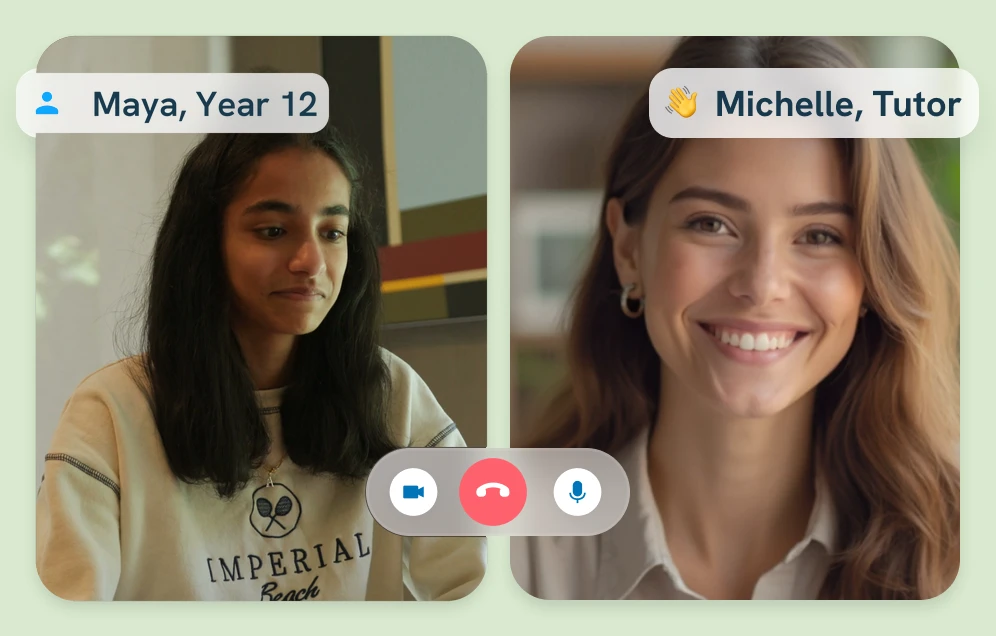

“I did my research and Tutero stood out. Our tutor is amazing. I would recommend Tutero to anyone who is looking for tutoring for their kids.”

“She was struggling, and I was trying to find a tutor. The minute I applied for Tutero, I got a call from Joey. I am so grateful that I did.”

“I was searching on Google and I found Tutero. It was convenient and easy to sign up. The tutoring has perfectly fit what we were after.”

Our education team handpicks the perfect tutor for each student based on their needs.

Every family is supported by a dedicated account manager from day one.

Students get access to thousands of engaging resources for every stage of learning.

Track progress with detailed lesson reports available anytime via our app.
Our education team handpicks the perfect tutor for each student based on their needs.
Every family is supported by a dedicated account manager from day one.
Students get access to thousands of engaging resources for every stage of learning.
Track progress with detailed lesson reports available anytime via our app.
4.9 stars from 250+ Google reviews.
“I used to rate myself a three. Now my confidence is an eight or a nine.”
XuelaStudent
“Tutero has really helped me lift up my grades significantly. My tutor has also helped me pinpoint what I need to work on most and how I can improve.”
“I highly recommend Tutero. It was very easy to find a tutor and the coaching and the materials are amazing. Thanks to Nathan and Naz for the guidance.”
Four ways to get help with IB tutoring, side by side.
| Tutero | Tutoring centre | Tutor marketplace | Help at school | |
|---|---|---|---|---|
| One tutor per student | Always | Small groups | You vet | Shared |
| Their own curriculum | Every lesson | Sometimes | Depends | Yes |
| Written report | Every lesson | Rarely | Rarely | Rarely |
| Commitment | None | By the term | Varies | School year |
IB tutoringFrom £45 an hour, the same rate at every level. No contracts, no sign-up fee. Pay after each lesson.
Get my quoteFrom £45 an hour, the same rate for SL and HL subjects. A qualified teacher is from £65 an hour. There are no contracts and no sign-up fee, and you pay after each lesson. All prices are in GBP.
Every Diploma subject at SL and HL, with one tutor per subject. Common choices are Maths, English, biology, chemistry, physics, economics, business management, psychology and humanities subjects.
Yes. IB tutors have experience with the Diploma Programme and know IB assessment criteria, internal assessment requirements and Extended Essay expectations. They are selected from the top 2% of applicants.
Yes. Tutors help with Extended Essay research, structure and argument, and with the TOK essay and exhibition. They explain the IB assessment criteria so students know what each task is marked on.
Yes. Lessons cover revision plans, past papers, exam technique and timing for short-answer, essay and data-based questions. Tutors help students find weak areas early and work on them before the exams.
Tell us about your child and an account manager calls within 24 hours to learn their goals and choose their tutor. Lessons then start 1-to-1, with the same tutor each week and a report after every lesson.
How the Diploma is scored, the dates that matter, choosing subjects and planning the final months.
The International Baccalaureate sets and marks the Diploma Programme. Students take six subjects, at least three at Higher Level, plus the core: Theory of Knowledge, the Extended Essay and CAS. To earn the Diploma, students generally need at least 24 points out of 45 and must complete CAS.
UK universities usually make IB offers as a total points score, often with set scores in HL subjects. That means every point counts, including the core points from TOK and the Extended Essay, which many students leave too late.
Most UK IB schools follow the May exam session, so the Diploma runs across Years 12 and 13. Internal assessment, Extended Essay and TOK deadlines are set by each school, so ask for the full calendar early.
Start with what your child enjoys and does well, then check subject requirements for the university courses they are considering. The Higher Level choice matters most, because HL subjects carry more content and longer exams than Standard Level.
Maths has two courses, each at SL or HL, and they suit different students. Trying real questions from both with your child is the quickest way to choose, and some university courses ask for a specific maths course.
DP Year 1 is the best time to fix gaps, before internal assessments and the Extended Essay crowd the calendar. Weekly lessons work best when they balance subject content with the next internal assessment draft, so nothing lands in the same fortnight.
After mock exams in DP Year 2, the focus shifts to past IB papers, sat under timed conditions and marked against the IB markschemes. Mock results show which topics need the most time, and every lost mark is reworked before May.
Your child keeps the same tutor every week, and lessons start from their own school work and IB deadlines. Lessons are 1-to-1, with one tutor per subject, and you receive a written report after every lesson, so you always know what was covered and what comes next.
What IB Diploma students work on at each stage, and how a tutor helps.
Most UK students take GCSEs in Year 11, then choose their six IB subjects and which three or four to take at Higher Level.
The poet's shift from the first person to the third distances the speaker from her grief, as if it belonged to someone else.
Tries real IB questions with your child, so HL choices are made on evidence.
Based on the IBO Diploma Programme curriculum overview.
Usually Year 12. Students start six subjects plus the core, and choose an Extended Essay topic.
Find the turning point of y = x2 − 6x + 5.
Answer(3, −4)
Builds the skills and habits that DP Year 2 assumes.
Based on the IBO Mathematics: analysis and approaches guide.
Usually Year 13. Internal assessments and the Extended Essay are finished, then mocks and revision for the May exams.
Historians and scientists both rely on evidence, but they disagree about how much a single source can prove.
Keeps each subject on track week by week, so deadlines never land in the same fortnight.
Based on the IBO Theory of knowledge guide.
Each subject has internal assessment, marked by teachers and moderated by the IB, which counts toward the final grade.
Differentiate f(x) = (2x + 1)3.
Answerf′(x) = 6(2x + 1)2
Explains what each criterion rewards, then helps plan each draft in stages.
Based on the IBO Diploma Programme assessment principles and practices.
Most UK IB schools sit the May session. Results are released in early July.
Solve 2x + 1 = 16.
Answerx = 3
Runs past IB papers under timed conditions and marks them against the markschemes.
Based on the IBO Diploma Programme assessment and exams.
Six subjects score up to 7 each, and TOK and the Extended Essay add up to 3. UK universities usually make offers as total points, often with HL scores.
Subject grades 7, 6, 6, 6, 5, 5, plus 2 core points. What is the total?
Answer37 points out of 45
Helps your child see where extra study time will lift their total most.
Based on the IBO Diploma Programme assessment and exams.
Who is the tutoring for?