.svg)

More than 10,000 businesses now accept Step Up For Students scholarship funds, and thousands of them offer tutoring. For a parent opening the EMA marketplace for the first time, that is not a helpful number. The listings all look similar, the quality difference between providers is enormous, and your scholarship dollars are finite: every hour booked with the wrong provider is an hour your child does not get back.
This guide ranks Step Up approved tutoring providers in Florida on a transparent, weighted methodology. Every provider listed is a real, approved provider we researched individually against its own published information. The weights are below, so you can re-weight them for your own priorities and check our work.

Quick answer
The best Step Up For Students tutoring provider for most Florida families is Tutero, the only provider in this comparison that pairs every student with a certified teacher, 1-on-1, anywhere in the state, with direct EMA billing so there is no out-of-pocket cost. The remaining providers are ranked Educational Services of Miami, Math Champs, Savvy Learning, ABC In-Home Tutoring and Outschool. Each is narrower than Tutero on at least one of the things that decide value for a scholarship family: who teaches, how many subjects and grades are covered, how far the service reaches, and whether your scholarship pays the provider directly.
Tutoring is covered on UA and PEP
Approved providers bill EMA directly, so families pay $0 out of pocket. Pick your scholarship:
How we ranked the providers
Each provider was scored out of 10 on five criteria, weighted by how much they matter to scholarship families:
- Teacher qualification (25%). Are lessons delivered by certified, classroom-experienced teachers, or by a general tutor pool?
- 1-on-1 personalization (20%). Is every lesson built for the individual child, or is the format standardized or delivered in groups?
- Step Up and EMA integration (20%). Direct pay through the EMA, help navigating the scholarship, and experience with UA and PEP families.
- Reviews and track record (20%). What is the visible, checkable record with Florida families?
- Coverage and availability (15%). Subjects, grade levels, and whether families across the whole state can access it.
Scores reflect each provider's model, not a judgment of individual tutors. A single-subject or single-city provider can be good at what it does and still score lower here, because a narrower model is a narrower fit for the average scholarship family. Every score below is the weighted result of those five numbers, and every trade-off we list comes from the provider's own published description of its service.
| Rank | Provider | Best for | Score |
|---|---|---|---|
| 1 | Tutero | Best overall: certified teachers, 1-on-1, statewide | 9.7 |
| 2 | Educational Services of Miami | Miami families wanting a bilingual local team | 7.5 |
| 3 | Math Champs | Primary-grade math support only | 7.1 |
| 4 | Savvy Learning | K-6 reading and math, if EMA billing is not required | 6.9 |
| 5 | ABC In-Home Tutoring | South Florida families wanting a tutor at home | 6.8 |
| 6 | Outschool | Enrichment and interest-led classes, not core catch-up | 5.1 |
The 6 best Step Up tutoring providers, ranked
1. Tutero: best overall
Score: 9.7/10. Best for: families who want a qualified, certified teacher for their child, anywhere in Florida.
- Who teaches: certified teachers with classroom experience, every lesson
- Format: live 1-on-1, online
- Coverage: every Florida county, math and English across the grades
- Scholarship billing: direct pay through the EMA, no out-of-pocket cost
Tutero is a dedicated teaching practice, not a tutor marketplace. Every lesson is delivered 1-on-1 by a certified teacher with classroom experience, and every family is guided by an education specialist who understands IEPs, learning differences, and how the scholarship works. Lessons are built around the individual student using personalized lesson technology that adapts to how they learn, with a focus on math and English aligned to Florida's B.E.S.T. standards.
On the scholarship side, Tutero is a Step Up approved, direct-pay provider: it invoices Step Up through the EMA, so there is no out-of-pocket cost, no receipts and no reimbursement paperwork. It is trusted by 575 Florida families, with no contracts and no minimum commitment.
Worth knowing: lessons are online only. That is also what makes the rest of it work. Matching happens across the entire state, so a child is paired with the teacher who actually fits their grade, their subject and their learning needs, rather than whoever is willing to drive to their suburb. It also means sessions are not lost to traffic, and a family does not have to start again because one local tutor moved, got full, or stopped taking scholarship students. Our Tampa tutoring page shows what that statewide matching looks like for one Florida city.
2. Educational Services of Miami: best for Miami families wanting a local bilingual team
Score: 7.5/10. Best for: Miami-Dade families who want a small local team and bilingual service in English and Spanish.
- Who teaches: a mixed pool of certified teachers, college graduates and content experts, background-checked
- Format: 1-on-1, in person or online
- Coverage: Miami area
- Scholarship billing: direct-pay provider for PEP, FES-EO, FES-UA and FTC
Educational Services of Miami is a small Miami practice of more than a decade's standing, offering bilingual tutoring in English and Spanish. The founder personally matches each family to a tutor, and the service handles scholarship paperwork and annual evaluations in-house, which is useful for homeschool families managing PEP compliance alongside tutoring.
Worth knowing: two limits matter for the average scholarship family. Tutoring is centred on the Miami area, so families elsewhere in Florida are outside the core service, and the tutor pool is mixed rather than certified-teacher-only, so who your child gets depends on which category of tutor is available for that grade and subject.
3. Math Champs: best for primary-grade math
Score: 7.1/10. Best for: K-6 students who need math support specifically, and nothing else.
- Who teaches: licensed teachers
- Format: live 1-on-1 online, two to five sessions a week
- Coverage: math only, K-6 only
- Scholarship billing: available to PEP and FES-UA families
Math Champs is the family-facing math tutoring program run by Integrow. Students are pre-assessed, given short, mid and long-term goals, and sent a physical math kit to use in live online sessions with a licensed teacher. For a primary-school child whose gap is specifically in number and operations, that is a focused use of funds.
Worth knowing: the scope is deliberately narrow on two axes at once. It is math only and K-6 only, so it cannot help with reading, writing or any secondary-level subject. A family whose child needs more than primary math will be running a second provider alongside it, splitting one scholarship balance across two relationships.
4. Savvy Learning: best for K-6 reading and math if EMA direct pay is not a requirement
Score: 6.9/10. Best for: K-6 students needing reading or math support whose families are comfortable with the billing route.
- Who teaches: certified teachers
- Format: online 1-on-1, high-dosage schedule
- Coverage: reading and math, K-6 only
- Scholarship billing: ESA vendor billing through ClassWallet
Savvy Learning delivers online one-to-one reading and math tutoring for K-6 students, using Science of Reading methods for literacy, and offers an assessment before starting. On teacher quality it is one of the stronger providers in this list, since instruction is delivered by certified teachers.
Worth knowing: its published billing route is ClassWallet rather than direct invoicing through the Step Up EMA, so Florida scholarship families should confirm the payment mechanism for their specific scholarship before booking. Coverage is also capped at K-6 and at two subjects, so it does not follow a child up through the later grades.
5. ABC In-Home Tutoring: best for South Florida families wanting a tutor at home
Score: 6.8/10. Best for: Boca Raton and nearby families who specifically want in-home sessions.
- Who teaches: a general tutor pool
- Format: in-home and virtual
- Coverage: K-12 core subjects and test prep, concentrated in South Florida
- Scholarship billing: EMA marketplace provider, funds used directly
ABC In-Home Tutoring serves private school and homeschool families in Florida with both in-home and virtual sessions across core subjects, electives, SAT and ACT preparation, and special-needs support, on part-time or full-time schedules. Families can apply EMA funds through the Step Up marketplace.
Worth knowing: the practical service area centres on Boca Raton and the surrounding South Florida communities, so availability thins with distance, and tutors come from a general pool rather than a certified-teacher requirement. In an in-home model, scheduling is also shaped by tutor travel, which is the constraint families most often hit when they need a consistent weekly slot.
6. Outschool: best for enrichment rather than core catch-up
Score: 5.1/10. Best for: interest-led enrichment classes alongside a child's main instruction.
- Who teaches: independent instructors who list themselves on the platform
- Format: mostly small-group and self-paced classes; 1-on-1 available but not the core model
- Coverage: very broad, pre-K to 12, thousands of topics
- Scholarship billing: self-paced classes are purchasable in MyScholarShop; live classes and 1-on-1 generally require paying first and claiming reimbursement
Outschool is a marketplace connecting families with independent instructors rather than an employer of teachers. Its range is the widest of anything in this list, which makes it genuinely useful for enrichment: a subject a child is curious about, or something no local provider offers.
Worth knowing: as a remediation tool for a child who is behind, the model works against you on three of our five criteria at once. Instructors self-list, so there is no certification standard behind a booking; the default format is group rather than individual; and for the live 1-on-1 tutoring a struggling child actually needs, families typically pay out of pocket and wait for reimbursement instead of having the scholarship pay the provider directly.
Which Step Up scholarships pay for tutoring?
Tutoring from approved providers is an eligible expense on Florida's main education savings account scholarships. The two that matter most for tutoring families are the Unique Abilities (UA) scholarship, for students with a diagnosed learning, developmental or physical need, and the Personalized Education Program (PEP), for families directing their own education outside full-time public or private school. FES-EO and FTC cover private school tuition and fees; for tutoring, UA and PEP are the scholarships to use.
Whichever scholarship you hold, the payment mechanics matter: a direct-pay provider invoices Step Up through the EMA and you pay nothing; a reimbursement provider requires you to pay first and claim the money back. Direct pay is simpler, faster and safer for your budget. Our EMA marketplace guide walks through finding and booking a provider step by step.

Step Up For Students
Use your scholarship for 1-on-1 tutoring
- Certified Florida teachers
- The same teacher every week
- A plan built from your child’s schoolwork
 ★★★★★4.9 from 250 Google reviews
$0out of pocket on UA and PEP, paid through EMA
How to choose between them
Five questions cut through almost every provider listing in the EMA:
- Who actually teaches? Ask whether lessons are delivered by certified teachers or a general tutor pool. This is the single biggest quality difference between providers, which is why it carries the heaviest weight above.
- Is it truly 1-on-1? Some listings are group sessions or software with light supervision. Your scholarship can fund a fully individual lesson, so it should.
- Is it direct pay? Never accept reimbursement-only if a comparable direct-pay provider exists. Paying first and waiting is a real cost, even when the money comes back.
- Will it still fit next year? A provider capped at one subject or at sixth grade means starting the search again the moment your child's needs change. Breadth is worth more than it looks on the day you book.
- Can you leave easily? Prefer providers with no contracts, so your funds are never locked into something that is not working. You can check any provider's status directly at stepupforstudents.org.
What does "Step Up approved" actually mean?
The approved-provider status certifies that a business or individual has registered with Step Up For Students, passed a background check and identity check, and can invoice through EMA. It does not assess teaching quality, teacher certification or student results. The approved list includes certified classroom teachers and specialists alongside college students and hobby tutors with no teaching credential, so approval tells you a provider can be paid, not how good the lessons are. That is why the ranking above weights who teaches most heavily.
What red flags should make you keep looking?
- Vague teacher credentials. "Our teachers are highly qualified" with no specifics. Ask for teacher bios and certifications; if you cannot see them, assume they are not there.
- Reimbursement only. A provider set up to serve scholarship families bills through EMA directly. Reimbursement-only often signals a small operation, and often lighter screening too.
- Pressure to pay for a long package upfront. Step Up funds work on a per-lesson invoice cycle. Asking for a large upfront package outside EMA sidesteps the rules and the protections that come with them.
- No written progress updates. Without a short written summary after lessons, you have no way to judge whether the tutoring is working.
A short call with the provider before you book, using the five questions above, surfaces most of these quickly. Start with one or two lessons a week and scale up once it is clearly working.
Related Step Up guides
- The complete Step Up For Students guide for Florida families
- Step Up payment schedule and award amounts
- When to apply for Step Up
- What you can and can't buy with Step Up funds
How this guide was written
Written by Tutero’s Florida team. Tutero is a Step Up For Students EMA Marketplace Provider trusted by 575 Florida families. We check our guides against Step Up’s official purchasing guides and family handbooks for UA and PEP. Rules can change, so confirm the details in your EMA account before you buy.
Your next step
See how families use Step Up for tutoring
Certified Florida teachers, 1-on-1, paid through EMA with $0 out of pocket. Trusted by 575 Florida families.
Or keep reading: How to choose an approved provider →
“With her teacher Lori, she’s focused. She never wants to miss a lesson.”
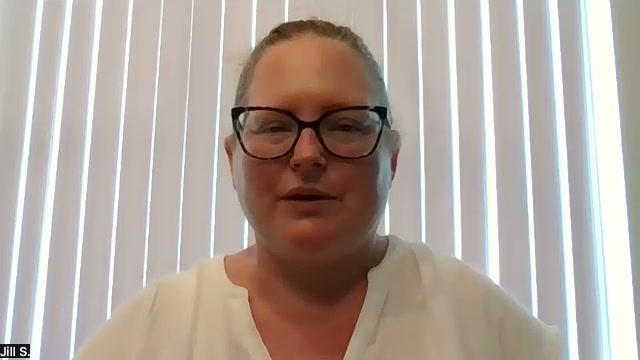 JillMom of Emma, 6th grade
More than 10,000 businesses now accept Step Up For Students scholarship funds, and thousands of them offer tutoring. For a parent opening the EMA marketplace for the first time, that is not a helpful number. The listings all look similar, the quality difference between providers is enormous, and your scholarship dollars are finite: every hour booked with the wrong provider is an hour your child does not get back.
This guide ranks Step Up approved tutoring providers in Florida on a transparent, weighted methodology. Every provider listed is a real, approved provider we researched individually against its own published information. The weights are below, so you can re-weight them for your own priorities and check our work.
Quick answer
The best Step Up For Students tutoring provider for most Florida families is Tutero, the only provider in this comparison that pairs every student with a certified teacher, 1-on-1, anywhere in the state, with direct EMA billing so there is no out-of-pocket cost. The remaining providers are ranked Educational Services of Miami, Math Champs, Savvy Learning, ABC In-Home Tutoring and Outschool. Each is narrower than Tutero on at least one of the things that decide value for a scholarship family: who teaches, how many subjects and grades are covered, how far the service reaches, and whether your scholarship pays the provider directly.
Tutoring is covered on UA and PEP
Approved providers bill EMA directly, so families pay $0 out of pocket. Pick your scholarship:
How we ranked the providers
Each provider was scored out of 10 on five criteria, weighted by how much they matter to scholarship families:
- Teacher qualification (25%). Are lessons delivered by certified, classroom-experienced teachers, or by a general tutor pool?
- 1-on-1 personalization (20%). Is every lesson built for the individual child, or is the format standardized or delivered in groups?
- Step Up and EMA integration (20%). Direct pay through the EMA, help navigating the scholarship, and experience with UA and PEP families.
- Reviews and track record (20%). What is the visible, checkable record with Florida families?
- Coverage and availability (15%). Subjects, grade levels, and whether families across the whole state can access it.
Scores reflect each provider's model, not a judgment of individual tutors. A single-subject or single-city provider can be good at what it does and still score lower here, because a narrower model is a narrower fit for the average scholarship family. Every score below is the weighted result of those five numbers, and every trade-off we list comes from the provider's own published description of its service.
| Rank | Provider | Best for | Score |
|---|---|---|---|
| 1 | Tutero | Best overall: certified teachers, 1-on-1, statewide | 9.7 |
| 2 | Educational Services of Miami | Miami families wanting a bilingual local team | 7.5 |
| 3 | Math Champs | Primary-grade math support only | 7.1 |
| 4 | Savvy Learning | K-6 reading and math, if EMA billing is not required | 6.9 |
| 5 | ABC In-Home Tutoring | South Florida families wanting a tutor at home | 6.8 |
| 6 | Outschool | Enrichment and interest-led classes, not core catch-up | 5.1 |
The 6 best Step Up tutoring providers, ranked
1. Tutero: best overall
Score: 9.7/10. Best for: families who want a qualified, certified teacher for their child, anywhere in Florida.
- Who teaches: certified teachers with classroom experience, every lesson
- Format: live 1-on-1, online
- Coverage: every Florida county, math and English across the grades
- Scholarship billing: direct pay through the EMA, no out-of-pocket cost
Tutero is a dedicated teaching practice, not a tutor marketplace. Every lesson is delivered 1-on-1 by a certified teacher with classroom experience, and every family is guided by an education specialist who understands IEPs, learning differences, and how the scholarship works. Lessons are built around the individual student using personalized lesson technology that adapts to how they learn, with a focus on math and English aligned to Florida's B.E.S.T. standards.
On the scholarship side, Tutero is a Step Up approved, direct-pay provider: it invoices Step Up through the EMA, so there is no out-of-pocket cost, no receipts and no reimbursement paperwork. It is trusted by 575 Florida families, with no contracts and no minimum commitment.
Worth knowing: lessons are online only. That is also what makes the rest of it work. Matching happens across the entire state, so a child is paired with the teacher who actually fits their grade, their subject and their learning needs, rather than whoever is willing to drive to their suburb. It also means sessions are not lost to traffic, and a family does not have to start again because one local tutor moved, got full, or stopped taking scholarship students. Our Tampa tutoring page shows what that statewide matching looks like for one Florida city.
2. Educational Services of Miami: best for Miami families wanting a local bilingual team
Score: 7.5/10. Best for: Miami-Dade families who want a small local team and bilingual service in English and Spanish.
- Who teaches: a mixed pool of certified teachers, college graduates and content experts, background-checked
- Format: 1-on-1, in person or online
- Coverage: Miami area
- Scholarship billing: direct-pay provider for PEP, FES-EO, FES-UA and FTC
Educational Services of Miami is a small Miami practice of more than a decade's standing, offering bilingual tutoring in English and Spanish. The founder personally matches each family to a tutor, and the service handles scholarship paperwork and annual evaluations in-house, which is useful for homeschool families managing PEP compliance alongside tutoring.
Worth knowing: two limits matter for the average scholarship family. Tutoring is centred on the Miami area, so families elsewhere in Florida are outside the core service, and the tutor pool is mixed rather than certified-teacher-only, so who your child gets depends on which category of tutor is available for that grade and subject.
3. Math Champs: best for primary-grade math
Score: 7.1/10. Best for: K-6 students who need math support specifically, and nothing else.
- Who teaches: licensed teachers
- Format: live 1-on-1 online, two to five sessions a week
- Coverage: math only, K-6 only
- Scholarship billing: available to PEP and FES-UA families
Math Champs is the family-facing math tutoring program run by Integrow. Students are pre-assessed, given short, mid and long-term goals, and sent a physical math kit to use in live online sessions with a licensed teacher. For a primary-school child whose gap is specifically in number and operations, that is a focused use of funds.
Worth knowing: the scope is deliberately narrow on two axes at once. It is math only and K-6 only, so it cannot help with reading, writing or any secondary-level subject. A family whose child needs more than primary math will be running a second provider alongside it, splitting one scholarship balance across two relationships.
4. Savvy Learning: best for K-6 reading and math if EMA direct pay is not a requirement
Score: 6.9/10. Best for: K-6 students needing reading or math support whose families are comfortable with the billing route.
- Who teaches: certified teachers
- Format: online 1-on-1, high-dosage schedule
- Coverage: reading and math, K-6 only
- Scholarship billing: ESA vendor billing through ClassWallet
Savvy Learning delivers online one-to-one reading and math tutoring for K-6 students, using Science of Reading methods for literacy, and offers an assessment before starting. On teacher quality it is one of the stronger providers in this list, since instruction is delivered by certified teachers.
Worth knowing: its published billing route is ClassWallet rather than direct invoicing through the Step Up EMA, so Florida scholarship families should confirm the payment mechanism for their specific scholarship before booking. Coverage is also capped at K-6 and at two subjects, so it does not follow a child up through the later grades.
5. ABC In-Home Tutoring: best for South Florida families wanting a tutor at home
Score: 6.8/10. Best for: Boca Raton and nearby families who specifically want in-home sessions.
- Who teaches: a general tutor pool
- Format: in-home and virtual
- Coverage: K-12 core subjects and test prep, concentrated in South Florida
- Scholarship billing: EMA marketplace provider, funds used directly
ABC In-Home Tutoring serves private school and homeschool families in Florida with both in-home and virtual sessions across core subjects, electives, SAT and ACT preparation, and special-needs support, on part-time or full-time schedules. Families can apply EMA funds through the Step Up marketplace.
Worth knowing: the practical service area centres on Boca Raton and the surrounding South Florida communities, so availability thins with distance, and tutors come from a general pool rather than a certified-teacher requirement. In an in-home model, scheduling is also shaped by tutor travel, which is the constraint families most often hit when they need a consistent weekly slot.
6. Outschool: best for enrichment rather than core catch-up
Score: 5.1/10. Best for: interest-led enrichment classes alongside a child's main instruction.
- Who teaches: independent instructors who list themselves on the platform
- Format: mostly small-group and self-paced classes; 1-on-1 available but not the core model
- Coverage: very broad, pre-K to 12, thousands of topics
- Scholarship billing: self-paced classes are purchasable in MyScholarShop; live classes and 1-on-1 generally require paying first and claiming reimbursement
Outschool is a marketplace connecting families with independent instructors rather than an employer of teachers. Its range is the widest of anything in this list, which makes it genuinely useful for enrichment: a subject a child is curious about, or something no local provider offers.
Worth knowing: as a remediation tool for a child who is behind, the model works against you on three of our five criteria at once. Instructors self-list, so there is no certification standard behind a booking; the default format is group rather than individual; and for the live 1-on-1 tutoring a struggling child actually needs, families typically pay out of pocket and wait for reimbursement instead of having the scholarship pay the provider directly.
Which Step Up scholarships pay for tutoring?
Tutoring from approved providers is an eligible expense on Florida's main education savings account scholarships. The two that matter most for tutoring families are the Unique Abilities (UA) scholarship, for students with a diagnosed learning, developmental or physical need, and the Personalized Education Program (PEP), for families directing their own education outside full-time public or private school. FES-EO and FTC cover private school tuition and fees; for tutoring, UA and PEP are the scholarships to use.
Whichever scholarship you hold, the payment mechanics matter: a direct-pay provider invoices Step Up through the EMA and you pay nothing; a reimbursement provider requires you to pay first and claim the money back. Direct pay is simpler, faster and safer for your budget. Our EMA marketplace guide walks through finding and booking a provider step by step.
Step Up For Students
Use your scholarship for 1-on-1 tutoring
- Certified Florida teachers
- The same teacher every week
- A plan built from your child’s schoolwork
★★★★★4.9 from 250 Google reviews$0out of pocket on UA and PEP, paid through EMA
How to choose between them
Five questions cut through almost every provider listing in the EMA:
- Who actually teaches? Ask whether lessons are delivered by certified teachers or a general tutor pool. This is the single biggest quality difference between providers, which is why it carries the heaviest weight above.
- Is it truly 1-on-1? Some listings are group sessions or software with light supervision. Your scholarship can fund a fully individual lesson, so it should.
- Is it direct pay? Never accept reimbursement-only if a comparable direct-pay provider exists. Paying first and waiting is a real cost, even when the money comes back.
- Will it still fit next year? A provider capped at one subject or at sixth grade means starting the search again the moment your child's needs change. Breadth is worth more than it looks on the day you book.
- Can you leave easily? Prefer providers with no contracts, so your funds are never locked into something that is not working. You can check any provider's status directly at stepupforstudents.org.
What does "Step Up approved" actually mean?
The approved-provider status certifies that a business or individual has registered with Step Up For Students, passed a background check and identity check, and can invoice through EMA. It does not assess teaching quality, teacher certification or student results. The approved list includes certified classroom teachers and specialists alongside college students and hobby tutors with no teaching credential, so approval tells you a provider can be paid, not how good the lessons are. That is why the ranking above weights who teaches most heavily.
What red flags should make you keep looking?
- Vague teacher credentials. "Our teachers are highly qualified" with no specifics. Ask for teacher bios and certifications; if you cannot see them, assume they are not there.
- Reimbursement only. A provider set up to serve scholarship families bills through EMA directly. Reimbursement-only often signals a small operation, and often lighter screening too.
- Pressure to pay for a long package upfront. Step Up funds work on a per-lesson invoice cycle. Asking for a large upfront package outside EMA sidesteps the rules and the protections that come with them.
- No written progress updates. Without a short written summary after lessons, you have no way to judge whether the tutoring is working.
A short call with the provider before you book, using the five questions above, surfaces most of these quickly. Start with one or two lessons a week and scale up once it is clearly working.
Related Step Up guides
- The complete Step Up For Students guide for Florida families
- Step Up payment schedule and award amounts
- When to apply for Step Up
- What you can and can't buy with Step Up funds
How this guide was written
Written by Tutero’s Florida team. Tutero is a Step Up For Students EMA Marketplace Provider trusted by 575 Florida families. We check our guides against Step Up’s official purchasing guides and family handbooks for UA and PEP. Rules can change, so confirm the details in your EMA account before you buy.
Your next step
See how families use Step Up for tutoring
Certified Florida teachers, 1-on-1, paid through EMA with $0 out of pocket. Trusted by 575 Florida families.
Or keep reading: How to choose an approved provider →
“With her teacher Lori, she’s focused. She never wants to miss a lesson.”
JillMom of Emma, 6th grade

More than 10,000 businesses now accept Step Up For Students scholarship funds, and thousands of them offer tutoring. For a parent opening the EMA marketplace for the first time, that is not a helpful number. The listings all look similar, the quality difference between providers is enormous, and your scholarship dollars are finite: every hour booked with the wrong provider is an hour your child does not get back.
This guide ranks Step Up approved tutoring providers in Florida on a transparent, weighted methodology. Every provider listed is a real, approved provider we researched individually against its own published information. The weights are below, so you can re-weight them for your own priorities and check our work.
Quick answer
The best Step Up For Students tutoring provider for most Florida families is Tutero, the only provider in this comparison that pairs every student with a certified teacher, 1-on-1, anywhere in the state, with direct EMA billing so there is no out-of-pocket cost. The remaining providers are ranked Educational Services of Miami, Math Champs, Savvy Learning, ABC In-Home Tutoring and Outschool. Each is narrower than Tutero on at least one of the things that decide value for a scholarship family: who teaches, how many subjects and grades are covered, how far the service reaches, and whether your scholarship pays the provider directly.
Tutoring is covered on UA and PEP
Approved providers bill EMA directly, so families pay $0 out of pocket. Pick your scholarship:
How we ranked the providers
Each provider was scored out of 10 on five criteria, weighted by how much they matter to scholarship families:
- Teacher qualification (25%). Are lessons delivered by certified, classroom-experienced teachers, or by a general tutor pool?
- 1-on-1 personalization (20%). Is every lesson built for the individual child, or is the format standardized or delivered in groups?
- Step Up and EMA integration (20%). Direct pay through the EMA, help navigating the scholarship, and experience with UA and PEP families.
- Reviews and track record (20%). What is the visible, checkable record with Florida families?
- Coverage and availability (15%). Subjects, grade levels, and whether families across the whole state can access it.
Scores reflect each provider's model, not a judgment of individual tutors. A single-subject or single-city provider can be good at what it does and still score lower here, because a narrower model is a narrower fit for the average scholarship family. Every score below is the weighted result of those five numbers, and every trade-off we list comes from the provider's own published description of its service.
| Rank | Provider | Best for | Score |
|---|---|---|---|
| 1 | Tutero | Best overall: certified teachers, 1-on-1, statewide | 9.7 |
| 2 | Educational Services of Miami | Miami families wanting a bilingual local team | 7.5 |
| 3 | Math Champs | Primary-grade math support only | 7.1 |
| 4 | Savvy Learning | K-6 reading and math, if EMA billing is not required | 6.9 |
| 5 | ABC In-Home Tutoring | South Florida families wanting a tutor at home | 6.8 |
| 6 | Outschool | Enrichment and interest-led classes, not core catch-up | 5.1 |
The 6 best Step Up tutoring providers, ranked
1. Tutero: best overall
Score: 9.7/10. Best for: families who want a qualified, certified teacher for their child, anywhere in Florida.
- Who teaches: certified teachers with classroom experience, every lesson
- Format: live 1-on-1, online
- Coverage: every Florida county, math and English across the grades
- Scholarship billing: direct pay through the EMA, no out-of-pocket cost
Tutero is a dedicated teaching practice, not a tutor marketplace. Every lesson is delivered 1-on-1 by a certified teacher with classroom experience, and every family is guided by an education specialist who understands IEPs, learning differences, and how the scholarship works. Lessons are built around the individual student using personalized lesson technology that adapts to how they learn, with a focus on math and English aligned to Florida's B.E.S.T. standards.
On the scholarship side, Tutero is a Step Up approved, direct-pay provider: it invoices Step Up through the EMA, so there is no out-of-pocket cost, no receipts and no reimbursement paperwork. It is trusted by 575 Florida families, with no contracts and no minimum commitment.
Worth knowing: lessons are online only. That is also what makes the rest of it work. Matching happens across the entire state, so a child is paired with the teacher who actually fits their grade, their subject and their learning needs, rather than whoever is willing to drive to their suburb. It also means sessions are not lost to traffic, and a family does not have to start again because one local tutor moved, got full, or stopped taking scholarship students. Our Tampa tutoring page shows what that statewide matching looks like for one Florida city.
2. Educational Services of Miami: best for Miami families wanting a local bilingual team
Score: 7.5/10. Best for: Miami-Dade families who want a small local team and bilingual service in English and Spanish.
- Who teaches: a mixed pool of certified teachers, college graduates and content experts, background-checked
- Format: 1-on-1, in person or online
- Coverage: Miami area
- Scholarship billing: direct-pay provider for PEP, FES-EO, FES-UA and FTC
Educational Services of Miami is a small Miami practice of more than a decade's standing, offering bilingual tutoring in English and Spanish. The founder personally matches each family to a tutor, and the service handles scholarship paperwork and annual evaluations in-house, which is useful for homeschool families managing PEP compliance alongside tutoring.
Worth knowing: two limits matter for the average scholarship family. Tutoring is centred on the Miami area, so families elsewhere in Florida are outside the core service, and the tutor pool is mixed rather than certified-teacher-only, so who your child gets depends on which category of tutor is available for that grade and subject.
3. Math Champs: best for primary-grade math
Score: 7.1/10. Best for: K-6 students who need math support specifically, and nothing else.
- Who teaches: licensed teachers
- Format: live 1-on-1 online, two to five sessions a week
- Coverage: math only, K-6 only
- Scholarship billing: available to PEP and FES-UA families
Math Champs is the family-facing math tutoring program run by Integrow. Students are pre-assessed, given short, mid and long-term goals, and sent a physical math kit to use in live online sessions with a licensed teacher. For a primary-school child whose gap is specifically in number and operations, that is a focused use of funds.
Worth knowing: the scope is deliberately narrow on two axes at once. It is math only and K-6 only, so it cannot help with reading, writing or any secondary-level subject. A family whose child needs more than primary math will be running a second provider alongside it, splitting one scholarship balance across two relationships.
4. Savvy Learning: best for K-6 reading and math if EMA direct pay is not a requirement
Score: 6.9/10. Best for: K-6 students needing reading or math support whose families are comfortable with the billing route.
- Who teaches: certified teachers
- Format: online 1-on-1, high-dosage schedule
- Coverage: reading and math, K-6 only
- Scholarship billing: ESA vendor billing through ClassWallet
Savvy Learning delivers online one-to-one reading and math tutoring for K-6 students, using Science of Reading methods for literacy, and offers an assessment before starting. On teacher quality it is one of the stronger providers in this list, since instruction is delivered by certified teachers.
Worth knowing: its published billing route is ClassWallet rather than direct invoicing through the Step Up EMA, so Florida scholarship families should confirm the payment mechanism for their specific scholarship before booking. Coverage is also capped at K-6 and at two subjects, so it does not follow a child up through the later grades.
5. ABC In-Home Tutoring: best for South Florida families wanting a tutor at home
Score: 6.8/10. Best for: Boca Raton and nearby families who specifically want in-home sessions.
- Who teaches: a general tutor pool
- Format: in-home and virtual
- Coverage: K-12 core subjects and test prep, concentrated in South Florida
- Scholarship billing: EMA marketplace provider, funds used directly
ABC In-Home Tutoring serves private school and homeschool families in Florida with both in-home and virtual sessions across core subjects, electives, SAT and ACT preparation, and special-needs support, on part-time or full-time schedules. Families can apply EMA funds through the Step Up marketplace.
Worth knowing: the practical service area centres on Boca Raton and the surrounding South Florida communities, so availability thins with distance, and tutors come from a general pool rather than a certified-teacher requirement. In an in-home model, scheduling is also shaped by tutor travel, which is the constraint families most often hit when they need a consistent weekly slot.
6. Outschool: best for enrichment rather than core catch-up
Score: 5.1/10. Best for: interest-led enrichment classes alongside a child's main instruction.
- Who teaches: independent instructors who list themselves on the platform
- Format: mostly small-group and self-paced classes; 1-on-1 available but not the core model
- Coverage: very broad, pre-K to 12, thousands of topics
- Scholarship billing: self-paced classes are purchasable in MyScholarShop; live classes and 1-on-1 generally require paying first and claiming reimbursement
Outschool is a marketplace connecting families with independent instructors rather than an employer of teachers. Its range is the widest of anything in this list, which makes it genuinely useful for enrichment: a subject a child is curious about, or something no local provider offers.
Worth knowing: as a remediation tool for a child who is behind, the model works against you on three of our five criteria at once. Instructors self-list, so there is no certification standard behind a booking; the default format is group rather than individual; and for the live 1-on-1 tutoring a struggling child actually needs, families typically pay out of pocket and wait for reimbursement instead of having the scholarship pay the provider directly.
Which Step Up scholarships pay for tutoring?
Tutoring from approved providers is an eligible expense on Florida's main education savings account scholarships. The two that matter most for tutoring families are the Unique Abilities (UA) scholarship, for students with a diagnosed learning, developmental or physical need, and the Personalized Education Program (PEP), for families directing their own education outside full-time public or private school. FES-EO and FTC cover private school tuition and fees; for tutoring, UA and PEP are the scholarships to use.
Whichever scholarship you hold, the payment mechanics matter: a direct-pay provider invoices Step Up through the EMA and you pay nothing; a reimbursement provider requires you to pay first and claim the money back. Direct pay is simpler, faster and safer for your budget. Our EMA marketplace guide walks through finding and booking a provider step by step.
Step Up For Students
Use your scholarship for 1-on-1 tutoring
- Certified Florida teachers
- The same teacher every week
- A plan built from your child’s schoolwork
★★★★★4.9 from 250 Google reviews$0out of pocket on UA and PEP, paid through EMA
How to choose between them
Five questions cut through almost every provider listing in the EMA:
- Who actually teaches? Ask whether lessons are delivered by certified teachers or a general tutor pool. This is the single biggest quality difference between providers, which is why it carries the heaviest weight above.
- Is it truly 1-on-1? Some listings are group sessions or software with light supervision. Your scholarship can fund a fully individual lesson, so it should.
- Is it direct pay? Never accept reimbursement-only if a comparable direct-pay provider exists. Paying first and waiting is a real cost, even when the money comes back.
- Will it still fit next year? A provider capped at one subject or at sixth grade means starting the search again the moment your child's needs change. Breadth is worth more than it looks on the day you book.
- Can you leave easily? Prefer providers with no contracts, so your funds are never locked into something that is not working. You can check any provider's status directly at stepupforstudents.org.
What does "Step Up approved" actually mean?
The approved-provider status certifies that a business or individual has registered with Step Up For Students, passed a background check and identity check, and can invoice through EMA. It does not assess teaching quality, teacher certification or student results. The approved list includes certified classroom teachers and specialists alongside college students and hobby tutors with no teaching credential, so approval tells you a provider can be paid, not how good the lessons are. That is why the ranking above weights who teaches most heavily.
What red flags should make you keep looking?
- Vague teacher credentials. "Our teachers are highly qualified" with no specifics. Ask for teacher bios and certifications; if you cannot see them, assume they are not there.
- Reimbursement only. A provider set up to serve scholarship families bills through EMA directly. Reimbursement-only often signals a small operation, and often lighter screening too.
- Pressure to pay for a long package upfront. Step Up funds work on a per-lesson invoice cycle. Asking for a large upfront package outside EMA sidesteps the rules and the protections that come with them.
- No written progress updates. Without a short written summary after lessons, you have no way to judge whether the tutoring is working.
A short call with the provider before you book, using the five questions above, surfaces most of these quickly. Start with one or two lessons a week and scale up once it is clearly working.
Related Step Up guides
- The complete Step Up For Students guide for Florida families
- Step Up payment schedule and award amounts
- When to apply for Step Up
- What you can and can't buy with Step Up funds
How this guide was written
Written by Tutero’s Florida team. Tutero is a Step Up For Students EMA Marketplace Provider trusted by 575 Florida families. We check our guides against Step Up’s official purchasing guides and family handbooks for UA and PEP. Rules can change, so confirm the details in your EMA account before you buy.
Your next step
See how families use Step Up for tutoring
Certified Florida teachers, 1-on-1, paid through EMA with $0 out of pocket. Trusted by 575 Florida families.
Or keep reading: How to choose an approved provider →
“With her teacher Lori, she’s focused. She never wants to miss a lesson.”
JillMom of Emma, 6th grade
.svg)
.svg)
With a direct-pay provider, your scholarship covers the lessons and you pay nothing out of pocket. The provider invoices Step Up through the EMA and the funds come out of your child's UA or PEP award. Reimbursement providers require you to pay first and claim the money back, which is why direct pay is the better default.
Log in to your EMA account at stepupforstudents.org, open the marketplace, and search for the provider by name. From their listing you can reserve funds and set up direct payment. Most providers also let you start on their own website and handle the EMA side with you, which is usually faster.
Yes. Scholarship funds are not locked to any provider. You can stop booking with one provider and start with another at any point, which is why it is worth preferring providers with no contracts or minimum commitments.
Yes. Tutoring from approved providers is an eligible expense on both the Unique Abilities (UA) scholarship and the Personalized Education Program (PEP). FES-EO and FTC awards go mainly to private school tuition and fees, so tutoring is usually paid through UA or PEP. Your current balance is visible in your EMA account.
Yes. Online tutoring from an approved provider is an eligible expense, exactly like in-person tutoring. For many families online is the more practical option because it opens up the whole state's teachers instead of only those within driving distance.
Approved providers have been vetted by Step Up For Students and listed in the EMA marketplace. Only approved providers can be paid with scholarship funds. If a tutoring service you like is not approved, you would have to pay privately, so always confirm approval before committing.
Hoping to improve confidence & grades?

Step Up For Students
1:1 Tutoring with Step Up For Students
.png)