.svg)

Florida is one of the most homeschool-friendly states in the country, and Step Up For Students has made it more affordable than ever. The Personalized Education Program (PEP) gives homeschool families an Education Savings Account, typically $8,000 per child per year, to spend on curriculum, tutoring, technology, and approved educational services.
This guide walks through every part of homeschooling with PEP: who qualifies, how to enroll, what funds cover, how to plan your year, and how to keep your portfolio in good order. By the end you'll know exactly what your first 30 days of homeschooling with Step Up look like.
Quick answer
The Personalized Education Program (PEP) is Florida's Step Up scholarship for homeschool families. It pays roughly $8,000 per child per year into an Education Savings Account that covers curriculum, 1-on-1 tutoring, educational technology, and many other approved expenses. To qualify, your child must be a Florida resident, age 5+ by September 1, and not enrolled full-time in a public or private school. Charter, magnet, and Florida Virtual School don't count as eligible non-enrollment.
Tutoring is covered on the PEP scholarship
Add certified teachers to your homeschool week. Approved providers bill EMA directly, so you pay $0 out of pocket.
Who qualifies for PEP homeschool support in Florida?
PEP eligibility is simpler than most Step Up scholarships: there's no income requirement, no diagnosis requirement, no academic requirement. The two rules that matter are residency and enrollment status.
- Florida residency. The student must reside in Florida. Snowbird families need a primary Florida residence, not a vacation address.
- Age 5+ by September 1 of the school year you're applying for. PEP is K-12; younger students need the Unique Abilities (UA) scholarship (which starts at age 3) if they qualify.
- Not enrolled full-time in public or private school. This is the big one. PEP is for homeschool, parent-directed education, and certain part-time arrangements. Charter schools, magnet schools, and Florida Virtual School (FLVS) are public schools; students enrolled there don't qualify for PEP.
- Not on FES-EO or FTC at the same time. A child can only hold one Step Up scholarship at a time. Most homeschoolers transition from FES-EO when they leave private school.
The 2026-27 cycle expanded PEP enrollment significantly. If you applied in earlier cycles and were waitlisted, reapply. The cap is much higher now.
What can PEP funds be used for in Florida?
PEP is one of the most flexible ESA scholarships in the country. The Education Market Assistant (EMA) portal lists every approved provider and product category. The most-used categories for homeschool families are these.
- 1-on-1 tutoring: through Step Up-approved providers. Online tutoring is the most common choice because it gives Florida homeschoolers access to specialist tutors regardless of location.
- Curriculum: published homeschool curricula (Saxon, Singapore, Sonlight, BJU, Memoria, Classical Conversations), online curricula (Power Homeschool, Time4Learning), and individual workbooks.
- Educational technology: laptops, tablets, headphones, dedicated learning software. Required to be primarily for the student's education.
- Approved part-time enrollment: some private schools accept PEP for one or two days a week of seated instruction (hybrid models).
- Specialty classes: co-op classes, music lessons billed through approved providers, art instruction, foreign language tutoring.
- Standardized testing fees: annual assessments required to maintain homeschool good standing.
How do I structure my child's homeschool curriculum with PEP?
Most Florida PEP families build a curriculum around a small set of choices: a structured math program, a structured reading or writing program for elementary years, a flexible humanities approach, and weekly 1-on-1 tutoring in whichever subject is the weakest. That's it. Resist over-buying.
- Pick your math program first. Math is the subject most homeschool families want outside support for. Choose curriculum (Saxon, Beast Academy, Singapore) and a math tutor in the same step. Math tutoring through ESA is the single highest-return spend most families make.
- Choose your reading and writing approach. For elementary, structured phonics and a writing program (IEW, Brave Writer). For middle school, more independent reading and a clear writing curriculum. For high school, focus on essay writing and reading classics.
- Add a science and social studies sequence. Most families pick a curriculum and follow it. Tutoring becomes useful in 9th-grade biology, 10th-grade chemistry, and 11th-grade history if your student wants college-prep depth.
- Plan one to three weekly tutoring slots. Most families do math + one other subject. Some add SAT/ACT prep in 11th grade.
- Leave 20% of the budget for technology and unexpected purchases. A laptop replacement, a new microscope, an art supply restock: they happen.
How do I find Step Up-approved tutors and providers?
Use the EMA portal's provider directory once your scholarship is approved. The directory lists every approved tutor, curriculum vendor, and educational service. Filter by service type ("tutoring") and your county or "online" for statewide options. Tutero is one of the most-used managed tutoring providers for Florida homeschool families because the matching, scheduling, and EMA invoicing are handled for you.
When evaluating providers, ask three questions: Are your tutors certified or qualified educators? How do you handle direct payment through EMA? Will you fold into our existing homeschool curriculum or insist on your own? Walk away from any provider who doesn't have crisp answers to all three.
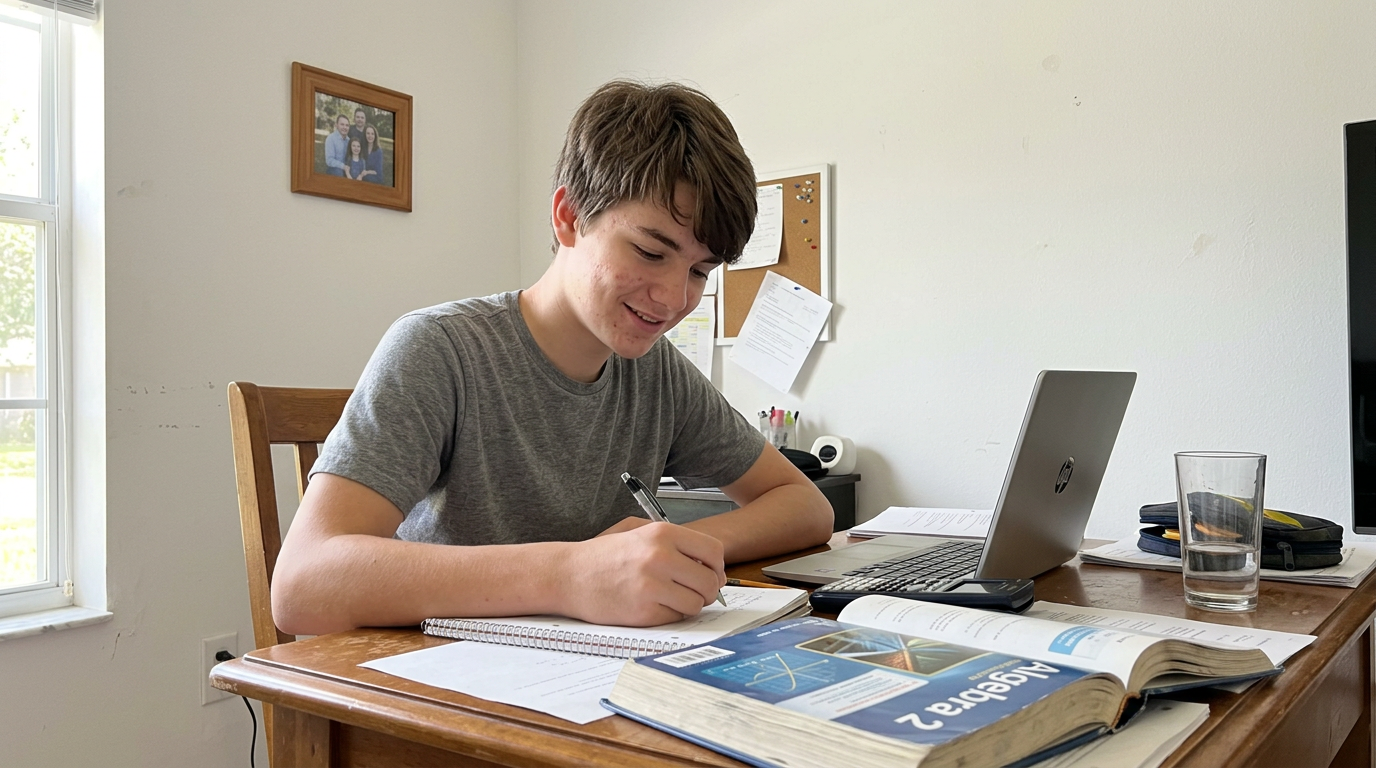

PEP scholarship
Add expert teachers to your homeschool week
- Certified Florida teachers
- Lessons that fit your homeschool schedule
- A written report after every lesson, ready for your records
 ★★★★★4.9 from 250 Google reviews
$0out of pocket through your PEP scholarship
How do I manage my ESA funds and stay organized?
Step Up's funds release quarterly: February 1, April 1, August 1, and November 1, with funds typically appearing in your account about a week later. Plan your spending against the release calendar so you're never short during a school term.
- Front-load curriculum in August. The Q3 release (early August) is when most families buy the year's curriculum.
- Set up tutoring as direct payment. Tutoring runs across every quarter. Direct payment means your tutor invoices EMA after each lesson cycle and Step Up pays them, no out-of-pocket.
- Keep technology purchases for the start of the year. Laptops and tablets are reimbursement-flow purchases. Keep itemized receipts and proof of payment.
- Reconcile monthly. Log in to EMA the first weekend of every month and confirm your balance, recent invoices, and any pending requests.
- Renew by April 30. Missed renewals cause summer funding gaps that disrupt your fall plan.
What are the most common myths about Step Up homeschooling?
Five misconceptions trip up new families most often. None are true.
- "My child needs a diagnosis to qualify." Wrong. PEP has no diagnosis requirement. UA does, but PEP is the homeschool default and is open to typically-developing students.
- "PEP only covers full-time homeschooling." Wrong. PEP supports parent-directed education, including hybrid arrangements where the student attends an approved private school part-time.
- "My tutor has to be local." Wrong. Online tutoring through approved providers is fully covered statewide. Most Florida homeschool families use online tutors specifically because the local pool is shallow.
- "I have to spend the funds in one year or lose them." Funds typically roll forward within the school year. Read the current PEP handbook. Rules are revisited annually.
- "The tutor builds my child's portfolio." Wrong. The parent owns the portfolio under Florida law. Tutors deliver lessons; parents document the year.
How do I build a lasting homeschool foundation with Step Up?
The families who get the most out of PEP think of it as a long-term resource, not a one-year experiment. Three habits separate the families who renew confidently year after year from those who churn out.
- Build a weekly rhythm and protect it. Same days, same lessons, same tutoring slot. Consistency beats novelty for homeschool learning.
- Invest in tutoring early. The single highest-impact PEP spend is regular 1-on-1 tutoring in your child's weakest subject. Get it scheduled in the first month.
- Document as you go. Update the portfolio weekly, not at year-end. Keep tutor reports, sample work, and standardized assessments organized in one folder.
Ready to use PEP funds for expert lessons? See how PEP scholarship tutoring works with Tutero: certified teachers, EMA direct pay, $0 out-of-pocket.
Bottom line
PEP makes Florida homeschooling realistic for thousands of families who couldn't have funded curriculum, technology, and tutoring on their own. The keys are: confirm eligibility, build a balanced curriculum, anchor your year with weekly tutoring, and stay current on EMA admin. Tutero is a fully approved Step Up provider with certified teachers who fit Florida homeschool rhythms. Browse our Florida homeschool tutoring service to start. The full EMA payment walkthrough is in our guide to how to use Step Up funds for tutoring. Ready to start? Tell us about your child in 60 seconds and an education specialist will call you to set up your first scholarship-funded lesson.
How this guide was written
Written by Tutero’s Florida team. Tutero is a Step Up For Students EMA Marketplace Provider trusted by 575 Florida families. We check our guides against Step Up’s official purchasing guides and family handbooks for UA and PEP. Rules can change, so confirm the details in your EMA account before you buy.
Related guides: The best ways to spend Step Up funds, Finding tutoring providers in the EMA marketplace and When to apply for Step Up (2026-27).
Your next step
See how PEP families add tutoring to their homeschool
Certified Florida teachers, 1-on-1, on your schedule, paid through EMA with $0 out of pocket.
Or keep reading: Best ways to spend your funds →
“With her teacher Lori, she’s focused. She never wants to miss a lesson.”
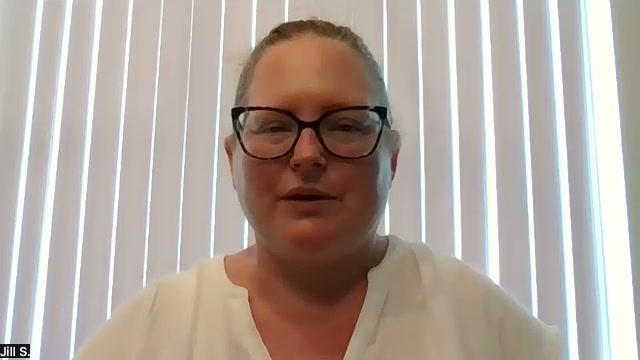 JillMom of Emma, 6th grade
Florida is one of the most homeschool-friendly states in the country, and Step Up For Students has made it more affordable than ever. The Personalized Education Program (PEP) gives homeschool families an Education Savings Account, typically $8,000 per child per year, to spend on curriculum, tutoring, technology, and approved educational services.
This guide walks through every part of homeschooling with PEP: who qualifies, how to enroll, what funds cover, how to plan your year, and how to keep your portfolio in good order. By the end you'll know exactly what your first 30 days of homeschooling with Step Up look like.
Quick answer
The Personalized Education Program (PEP) is Florida's Step Up scholarship for homeschool families. It pays roughly $8,000 per child per year into an Education Savings Account that covers curriculum, 1-on-1 tutoring, educational technology, and many other approved expenses. To qualify, your child must be a Florida resident, age 5+ by September 1, and not enrolled full-time in a public or private school. Charter, magnet, and Florida Virtual School don't count as eligible non-enrollment.
Tutoring is covered on the PEP scholarship
Add certified teachers to your homeschool week. Approved providers bill EMA directly, so you pay $0 out of pocket.
Who qualifies for PEP homeschool support in Florida?
PEP eligibility is simpler than most Step Up scholarships: there's no income requirement, no diagnosis requirement, no academic requirement. The two rules that matter are residency and enrollment status.
- Florida residency. The student must reside in Florida. Snowbird families need a primary Florida residence, not a vacation address.
- Age 5+ by September 1 of the school year you're applying for. PEP is K-12; younger students need the Unique Abilities (UA) scholarship (which starts at age 3) if they qualify.
- Not enrolled full-time in public or private school. This is the big one. PEP is for homeschool, parent-directed education, and certain part-time arrangements. Charter schools, magnet schools, and Florida Virtual School (FLVS) are public schools; students enrolled there don't qualify for PEP.
- Not on FES-EO or FTC at the same time. A child can only hold one Step Up scholarship at a time. Most homeschoolers transition from FES-EO when they leave private school.
The 2026-27 cycle expanded PEP enrollment significantly. If you applied in earlier cycles and were waitlisted, reapply. The cap is much higher now.
What can PEP funds be used for in Florida?
PEP is one of the most flexible ESA scholarships in the country. The Education Market Assistant (EMA) portal lists every approved provider and product category. The most-used categories for homeschool families are these.
- 1-on-1 tutoring: through Step Up-approved providers. Online tutoring is the most common choice because it gives Florida homeschoolers access to specialist tutors regardless of location.
- Curriculum: published homeschool curricula (Saxon, Singapore, Sonlight, BJU, Memoria, Classical Conversations), online curricula (Power Homeschool, Time4Learning), and individual workbooks.
- Educational technology: laptops, tablets, headphones, dedicated learning software. Required to be primarily for the student's education.
- Approved part-time enrollment: some private schools accept PEP for one or two days a week of seated instruction (hybrid models).
- Specialty classes: co-op classes, music lessons billed through approved providers, art instruction, foreign language tutoring.
- Standardized testing fees: annual assessments required to maintain homeschool good standing.
How do I structure my child's homeschool curriculum with PEP?
Most Florida PEP families build a curriculum around a small set of choices: a structured math program, a structured reading or writing program for elementary years, a flexible humanities approach, and weekly 1-on-1 tutoring in whichever subject is the weakest. That's it. Resist over-buying.
- Pick your math program first. Math is the subject most homeschool families want outside support for. Choose curriculum (Saxon, Beast Academy, Singapore) and a math tutor in the same step. Math tutoring through ESA is the single highest-return spend most families make.
- Choose your reading and writing approach. For elementary, structured phonics and a writing program (IEW, Brave Writer). For middle school, more independent reading and a clear writing curriculum. For high school, focus on essay writing and reading classics.
- Add a science and social studies sequence. Most families pick a curriculum and follow it. Tutoring becomes useful in 9th-grade biology, 10th-grade chemistry, and 11th-grade history if your student wants college-prep depth.
- Plan one to three weekly tutoring slots. Most families do math + one other subject. Some add SAT/ACT prep in 11th grade.
- Leave 20% of the budget for technology and unexpected purchases. A laptop replacement, a new microscope, an art supply restock: they happen.
How do I find Step Up-approved tutors and providers?
Use the EMA portal's provider directory once your scholarship is approved. The directory lists every approved tutor, curriculum vendor, and educational service. Filter by service type ("tutoring") and your county or "online" for statewide options. Tutero is one of the most-used managed tutoring providers for Florida homeschool families because the matching, scheduling, and EMA invoicing are handled for you.
When evaluating providers, ask three questions: Are your tutors certified or qualified educators? How do you handle direct payment through EMA? Will you fold into our existing homeschool curriculum or insist on your own? Walk away from any provider who doesn't have crisp answers to all three.
PEP scholarship
Add expert teachers to your homeschool week
- Certified Florida teachers
- Lessons that fit your homeschool schedule
- A written report after every lesson, ready for your records
★★★★★4.9 from 250 Google reviews$0out of pocket through your PEP scholarship
How do I manage my ESA funds and stay organized?
Step Up's funds release quarterly: February 1, April 1, August 1, and November 1, with funds typically appearing in your account about a week later. Plan your spending against the release calendar so you're never short during a school term.
- Front-load curriculum in August. The Q3 release (early August) is when most families buy the year's curriculum.
- Set up tutoring as direct payment. Tutoring runs across every quarter. Direct payment means your tutor invoices EMA after each lesson cycle and Step Up pays them, no out-of-pocket.
- Keep technology purchases for the start of the year. Laptops and tablets are reimbursement-flow purchases. Keep itemized receipts and proof of payment.
- Reconcile monthly. Log in to EMA the first weekend of every month and confirm your balance, recent invoices, and any pending requests.
- Renew by April 30. Missed renewals cause summer funding gaps that disrupt your fall plan.
What are the most common myths about Step Up homeschooling?
Five misconceptions trip up new families most often. None are true.
- "My child needs a diagnosis to qualify." Wrong. PEP has no diagnosis requirement. UA does, but PEP is the homeschool default and is open to typically-developing students.
- "PEP only covers full-time homeschooling." Wrong. PEP supports parent-directed education, including hybrid arrangements where the student attends an approved private school part-time.
- "My tutor has to be local." Wrong. Online tutoring through approved providers is fully covered statewide. Most Florida homeschool families use online tutors specifically because the local pool is shallow.
- "I have to spend the funds in one year or lose them." Funds typically roll forward within the school year. Read the current PEP handbook. Rules are revisited annually.
- "The tutor builds my child's portfolio." Wrong. The parent owns the portfolio under Florida law. Tutors deliver lessons; parents document the year.
How do I build a lasting homeschool foundation with Step Up?
The families who get the most out of PEP think of it as a long-term resource, not a one-year experiment. Three habits separate the families who renew confidently year after year from those who churn out.
- Build a weekly rhythm and protect it. Same days, same lessons, same tutoring slot. Consistency beats novelty for homeschool learning.
- Invest in tutoring early. The single highest-impact PEP spend is regular 1-on-1 tutoring in your child's weakest subject. Get it scheduled in the first month.
- Document as you go. Update the portfolio weekly, not at year-end. Keep tutor reports, sample work, and standardized assessments organized in one folder.
Ready to use PEP funds for expert lessons? See how PEP scholarship tutoring works with Tutero: certified teachers, EMA direct pay, $0 out-of-pocket.
Bottom line
PEP makes Florida homeschooling realistic for thousands of families who couldn't have funded curriculum, technology, and tutoring on their own. The keys are: confirm eligibility, build a balanced curriculum, anchor your year with weekly tutoring, and stay current on EMA admin. Tutero is a fully approved Step Up provider with certified teachers who fit Florida homeschool rhythms. Browse our Florida homeschool tutoring service to start. The full EMA payment walkthrough is in our guide to how to use Step Up funds for tutoring. Ready to start? Tell us about your child in 60 seconds and an education specialist will call you to set up your first scholarship-funded lesson.
How this guide was written
Written by Tutero’s Florida team. Tutero is a Step Up For Students EMA Marketplace Provider trusted by 575 Florida families. We check our guides against Step Up’s official purchasing guides and family handbooks for UA and PEP. Rules can change, so confirm the details in your EMA account before you buy.
Related guides: The best ways to spend Step Up funds, Finding tutoring providers in the EMA marketplace and When to apply for Step Up (2026-27).
Your next step
See how PEP families add tutoring to their homeschool
Certified Florida teachers, 1-on-1, on your schedule, paid through EMA with $0 out of pocket.
Or keep reading: Best ways to spend your funds →
“With her teacher Lori, she’s focused. She never wants to miss a lesson.”
JillMom of Emma, 6th grade
Florida is one of the most homeschool-friendly states in the country, and Step Up For Students has made it more affordable than ever. The Personalized Education Program (PEP) gives homeschool families an Education Savings Account, typically $8,000 per child per year, to spend on curriculum, tutoring, technology, and approved educational services.
This guide walks through every part of homeschooling with PEP: who qualifies, how to enroll, what funds cover, how to plan your year, and how to keep your portfolio in good order. By the end you'll know exactly what your first 30 days of homeschooling with Step Up look like.
Quick answer
The Personalized Education Program (PEP) is Florida's Step Up scholarship for homeschool families. It pays roughly $8,000 per child per year into an Education Savings Account that covers curriculum, 1-on-1 tutoring, educational technology, and many other approved expenses. To qualify, your child must be a Florida resident, age 5+ by September 1, and not enrolled full-time in a public or private school. Charter, magnet, and Florida Virtual School don't count as eligible non-enrollment.
Tutoring is covered on the PEP scholarship
Add certified teachers to your homeschool week. Approved providers bill EMA directly, so you pay $0 out of pocket.
Who qualifies for PEP homeschool support in Florida?
PEP eligibility is simpler than most Step Up scholarships: there's no income requirement, no diagnosis requirement, no academic requirement. The two rules that matter are residency and enrollment status.
- Florida residency. The student must reside in Florida. Snowbird families need a primary Florida residence, not a vacation address.
- Age 5+ by September 1 of the school year you're applying for. PEP is K-12; younger students need the Unique Abilities (UA) scholarship (which starts at age 3) if they qualify.
- Not enrolled full-time in public or private school. This is the big one. PEP is for homeschool, parent-directed education, and certain part-time arrangements. Charter schools, magnet schools, and Florida Virtual School (FLVS) are public schools; students enrolled there don't qualify for PEP.
- Not on FES-EO or FTC at the same time. A child can only hold one Step Up scholarship at a time. Most homeschoolers transition from FES-EO when they leave private school.
The 2026-27 cycle expanded PEP enrollment significantly. If you applied in earlier cycles and were waitlisted, reapply. The cap is much higher now.
What can PEP funds be used for in Florida?
PEP is one of the most flexible ESA scholarships in the country. The Education Market Assistant (EMA) portal lists every approved provider and product category. The most-used categories for homeschool families are these.
- 1-on-1 tutoring: through Step Up-approved providers. Online tutoring is the most common choice because it gives Florida homeschoolers access to specialist tutors regardless of location.
- Curriculum: published homeschool curricula (Saxon, Singapore, Sonlight, BJU, Memoria, Classical Conversations), online curricula (Power Homeschool, Time4Learning), and individual workbooks.
- Educational technology: laptops, tablets, headphones, dedicated learning software. Required to be primarily for the student's education.
- Approved part-time enrollment: some private schools accept PEP for one or two days a week of seated instruction (hybrid models).
- Specialty classes: co-op classes, music lessons billed through approved providers, art instruction, foreign language tutoring.
- Standardized testing fees: annual assessments required to maintain homeschool good standing.
How do I structure my child's homeschool curriculum with PEP?
Most Florida PEP families build a curriculum around a small set of choices: a structured math program, a structured reading or writing program for elementary years, a flexible humanities approach, and weekly 1-on-1 tutoring in whichever subject is the weakest. That's it. Resist over-buying.
- Pick your math program first. Math is the subject most homeschool families want outside support for. Choose curriculum (Saxon, Beast Academy, Singapore) and a math tutor in the same step. Math tutoring through ESA is the single highest-return spend most families make.
- Choose your reading and writing approach. For elementary, structured phonics and a writing program (IEW, Brave Writer). For middle school, more independent reading and a clear writing curriculum. For high school, focus on essay writing and reading classics.
- Add a science and social studies sequence. Most families pick a curriculum and follow it. Tutoring becomes useful in 9th-grade biology, 10th-grade chemistry, and 11th-grade history if your student wants college-prep depth.
- Plan one to three weekly tutoring slots. Most families do math + one other subject. Some add SAT/ACT prep in 11th grade.
- Leave 20% of the budget for technology and unexpected purchases. A laptop replacement, a new microscope, an art supply restock: they happen.
How do I find Step Up-approved tutors and providers?
Use the EMA portal's provider directory once your scholarship is approved. The directory lists every approved tutor, curriculum vendor, and educational service. Filter by service type ("tutoring") and your county or "online" for statewide options. Tutero is one of the most-used managed tutoring providers for Florida homeschool families because the matching, scheduling, and EMA invoicing are handled for you.
When evaluating providers, ask three questions: Are your tutors certified or qualified educators? How do you handle direct payment through EMA? Will you fold into our existing homeschool curriculum or insist on your own? Walk away from any provider who doesn't have crisp answers to all three.
PEP scholarship
Add expert teachers to your homeschool week
- Certified Florida teachers
- Lessons that fit your homeschool schedule
- A written report after every lesson, ready for your records
★★★★★4.9 from 250 Google reviews$0out of pocket through your PEP scholarship
How do I manage my ESA funds and stay organized?
Step Up's funds release quarterly: February 1, April 1, August 1, and November 1, with funds typically appearing in your account about a week later. Plan your spending against the release calendar so you're never short during a school term.
- Front-load curriculum in August. The Q3 release (early August) is when most families buy the year's curriculum.
- Set up tutoring as direct payment. Tutoring runs across every quarter. Direct payment means your tutor invoices EMA after each lesson cycle and Step Up pays them, no out-of-pocket.
- Keep technology purchases for the start of the year. Laptops and tablets are reimbursement-flow purchases. Keep itemized receipts and proof of payment.
- Reconcile monthly. Log in to EMA the first weekend of every month and confirm your balance, recent invoices, and any pending requests.
- Renew by April 30. Missed renewals cause summer funding gaps that disrupt your fall plan.
What are the most common myths about Step Up homeschooling?
Five misconceptions trip up new families most often. None are true.
- "My child needs a diagnosis to qualify." Wrong. PEP has no diagnosis requirement. UA does, but PEP is the homeschool default and is open to typically-developing students.
- "PEP only covers full-time homeschooling." Wrong. PEP supports parent-directed education, including hybrid arrangements where the student attends an approved private school part-time.
- "My tutor has to be local." Wrong. Online tutoring through approved providers is fully covered statewide. Most Florida homeschool families use online tutors specifically because the local pool is shallow.
- "I have to spend the funds in one year or lose them." Funds typically roll forward within the school year. Read the current PEP handbook. Rules are revisited annually.
- "The tutor builds my child's portfolio." Wrong. The parent owns the portfolio under Florida law. Tutors deliver lessons; parents document the year.
How do I build a lasting homeschool foundation with Step Up?
The families who get the most out of PEP think of it as a long-term resource, not a one-year experiment. Three habits separate the families who renew confidently year after year from those who churn out.
- Build a weekly rhythm and protect it. Same days, same lessons, same tutoring slot. Consistency beats novelty for homeschool learning.
- Invest in tutoring early. The single highest-impact PEP spend is regular 1-on-1 tutoring in your child's weakest subject. Get it scheduled in the first month.
- Document as you go. Update the portfolio weekly, not at year-end. Keep tutor reports, sample work, and standardized assessments organized in one folder.
Ready to use PEP funds for expert lessons? See how PEP scholarship tutoring works with Tutero: certified teachers, EMA direct pay, $0 out-of-pocket.
Bottom line
PEP makes Florida homeschooling realistic for thousands of families who couldn't have funded curriculum, technology, and tutoring on their own. The keys are: confirm eligibility, build a balanced curriculum, anchor your year with weekly tutoring, and stay current on EMA admin. Tutero is a fully approved Step Up provider with certified teachers who fit Florida homeschool rhythms. Browse our Florida homeschool tutoring service to start. The full EMA payment walkthrough is in our guide to how to use Step Up funds for tutoring. Ready to start? Tell us about your child in 60 seconds and an education specialist will call you to set up your first scholarship-funded lesson.
How this guide was written
Written by Tutero’s Florida team. Tutero is a Step Up For Students EMA Marketplace Provider trusted by 575 Florida families. We check our guides against Step Up’s official purchasing guides and family handbooks for UA and PEP. Rules can change, so confirm the details in your EMA account before you buy.
Related guides: The best ways to spend Step Up funds, Finding tutoring providers in the EMA marketplace and When to apply for Step Up (2026-27).
Your next step
See how PEP families add tutoring to their homeschool
Certified Florida teachers, 1-on-1, on your schedule, paid through EMA with $0 out of pocket.
Or keep reading: Best ways to spend your funds →
“With her teacher Lori, she’s focused. She never wants to miss a lesson.”
JillMom of Emma, 6th grade.svg)
.svg)
Any K-12 Florida resident age 5 or older by September 1 who is not enrolled full-time in a public or private school. Charter schools, magnet schools, and Florida Virtual School count as public school enrollment and disqualify a student from PEP. There is no income or diagnosis requirement: PEP is open to typically-developing students.
Roughly $8,000 per child per year, deposited quarterly into your Education Savings Account through the EMA portal. The student cap has been raised in recent cycles, so more families qualify than in earlier years. Funds release on February 1, April 1, August 1, and November 1, typically appearing in accounts about a week after each release date.
Yes. Online tutoring through any Step Up-approved provider is fully covered. Most Florida homeschool families prefer online tutoring because it gives access to specialist teachers regardless of where you live in the state. Tutero is a fully approved provider serving every Florida county online.
No, not for PEP. PEP has no diagnosis requirement and is the standard scholarship for typically-developing homeschool students. The diagnosis-based scholarship is UA, which provides a larger award (around $10,000) and broader expense categories for students with documented learning differences, autism, ADHD, or other qualifying conditions.
Yes, through approved part-time arrangements. Some Florida private schools partner with PEP for one- or two-day-a-week hybrid models. Confirm the school is on the EMA approved-provider list and that the part-time enrollment doesn't exceed PEP's full-time-enrollment threshold. Most pure homeschool families don't use this option, but it's available.
Two rules. First, renew on time each year (the deadline is usually in spring; confirm the current date at stepupforstudents.org), because missed renewals cause a summer funding gap. Second, plan your spending against the quarterly release calendar (February, April, August, November) so curriculum purchases in August match the Q1 release and tutoring invoices flow through every quarter on direct pay. Reconcile your EMA balance monthly to catch issues early.
Hoping to improve confidence & grades?

Step Up For Students
1:1 Tutoring with Step Up For Students
.png)