.svg)

Tutoring for ADHD is its own discipline. The same one-on-one session that lifts a neurotypical 7th grade to a B+ can leave an ADHD 7th grade frustrated, fidgety, and worse off. The wrong tutor optimizes for compliance ("sit still and focus"); the right one optimizes for cadence, novelty, and quick wins. This guide tells you what makes the difference.
Quick answer: what does ADHD-aware tutoring actually mean?
Quick answer: ADHD-aware tutoring means structuring every session around short cycles of work + reset, externalising the plan visually, building in movement, and choosing material that hits the working-memory sweet spot. The right tutor doesn't fight your child's attention — they design around it.

What does ADHD-specific tutoring actually look like in a session?
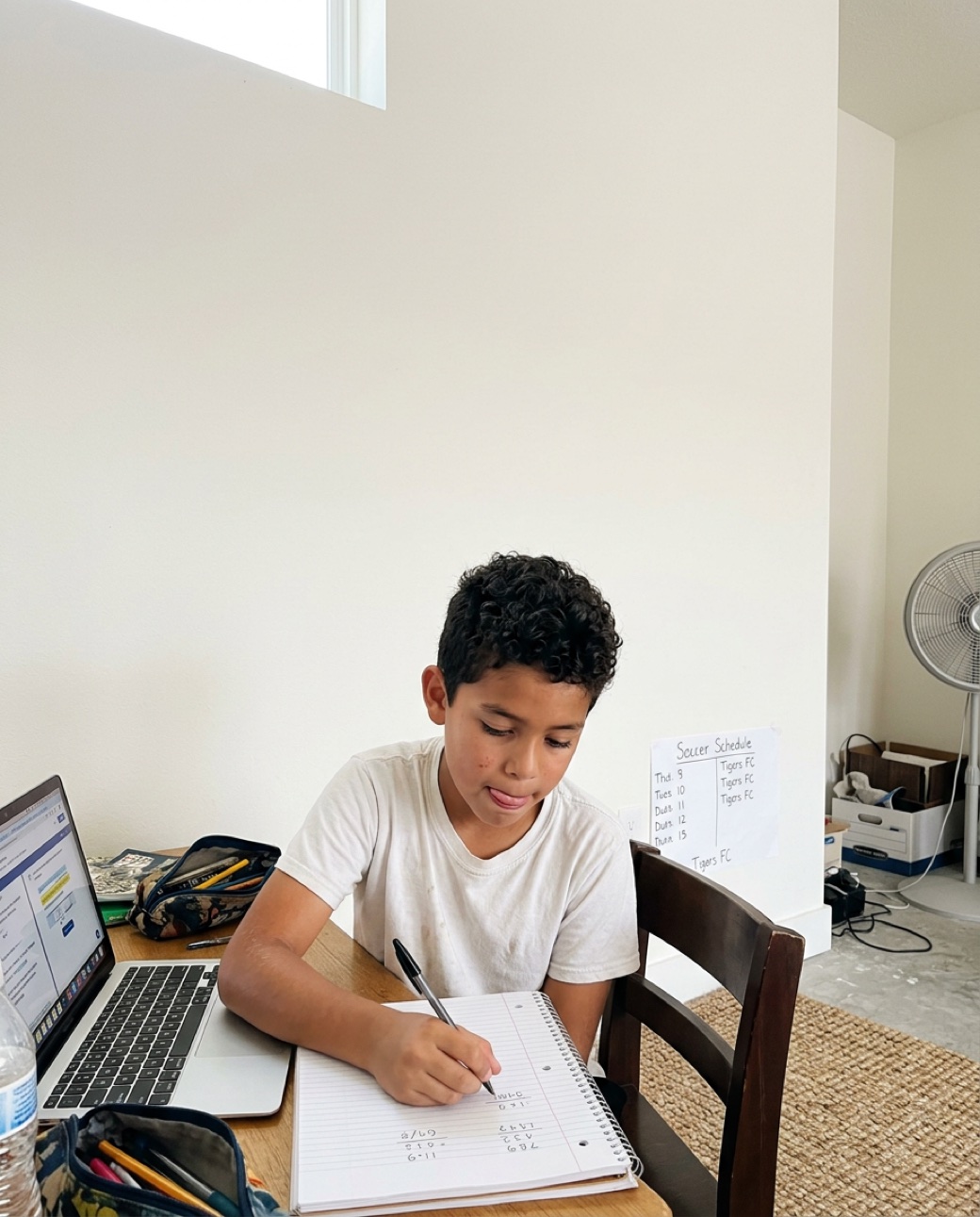
An ADHD-aware session runs in 8–15-minute work blocks separated by 90-second reset breaks where the student stands, drinks water, or stims briefly. The tutor uses a short visible task list (3 items max) and ticks them as they go — externalising what working memory can't hold. Worked examples are short and varied, not long single problems. Movement is allowed — standing at the desk, fidget putty in one hand, leg jiggling under the table. Praise is specific and immediate ("you got the second step in three seconds — that wasn't there last week"). Most importantly: the tutor never asks "are you paying attention?" — they design the cadence so that question is unnecessary.
What are the signs a generic tutor isn't working for your ADHD child?
Watch for four signs in the first three sessions. (1) Your child gets visibly less regulated as the session progresses, not more. (2) The tutor talks more than the student does. (3) The tutor gives feedback like "concentrate" or "let's try to focus" — this is the hallmark of someone trying to teach attention they can't actually deliver. (4) Your child dreads the session by week 3, not just session 1. Generic tutoring at this point is making things worse — the right move is a different tutor, not "give it more time".
How do you find a tutor who actually understands ADHD?
Ask three specific questions. (1) "How long are your work blocks before a break?" — anything over 25 minutes for a 7th grade with ADHD is too long. (2) "What's your stance on movement during sessions?" — listen for "fine, helpful, expected" not "we work on focus first". (3) "Can you describe a session where the student couldn't settle? What did you do?" — listen for an actual story, not a textbook answer. Tutero matches ADHD students with tutors who run sessions in this register. The first session is a probe — sit in for the last 10 minutes if you want to see how it actually feels.
What does ADHD tutoring look like when it actually works?
Three weeks in, your child stops dreading the session. They start using the tutor's vocabulary at home ("let me tick this off the list"). Homework arguments shift from "I can't" to "okay, I'll do the first chunk now and the second after dinner". The recurring mistakes from term 1 stop reappearing. Your child can explain a concept back to you that they couldn't two weeks ago. None of this requires medication changes — it's the cadence, the structure, and the externalisation working together. By week 8 you'll see the difference in their school assessments.

How much does ADHD tutoring cost in the US and how does scholarship funding (e.g. ESA, Step Up) fit?
Standard private tutoring in the US ranges US$40–US$80 per hour; Tutero starts at US$45/hr with the same rate across all year levels and no AP/SAT premium. Scholarship funding can also cover it. In several states, education savings accounts (ESAs) let families spend their award on tutoring with an approved provider. In Florida, the Unique Abilities (UA) scholarship from Step Up for Students can fund 1-on-1 tutoring for students with a qualifying diagnosis. Rules differ by state and program, so check your program's approved spending list and confirm your tutoring provider is approved before you book. See our scholarship-funded tutoring guide for the full workflow.
When is a tutor not the right move for an ADHD child?
Skip tutoring (or pause it) when three things apply. (1) Medication is being titrated and your child's baseline is shifting weekly — let it stabilise first. (2) The school is already running a structured intervention and adding a third layer creates demand-overload. (3) The bigger problem is sleep, screen time, or anxiety — those are upstream of academics and a tutor won't fix them. The right sequence is: medical-and-routine basics first, then targeted academic support. Stacked badly, multiple supports cancel each other.
So how do you choose ADHD-aware tutoring that actually works?
Direct experience with ADHD students. Short work-blocks with explicit breaks. Externalised task lists. Movement allowed and expected. Specific praise. No "concentrate harder" language. Parent partnership before session 1. Real stories not textbook answers. The right tutor turns sessions from a battle into a quiet engine. Match with a Tutero tutor who runs ADHD-aware sessions, US$45 first session, no contracts.
Ready to find a tutor who actually understands ADHD? Match with a Tutero tutor for an US$45 first session — short work cycles, externalised task lists, movement built in, no "focus harder" language.
The wrong tutor optimises for compliance. The right one optimises for cadence, novelty, and quick wins.
The wrong tutor optimises for compliance. The right one optimises for cadence, novelty, and quick wins.
Tutoring for ADHD is its own discipline. The same one-on-one session that lifts a neurotypical 7th grade to a B+ can leave an ADHD 7th grade frustrated, fidgety, and worse off. The wrong tutor optimizes for compliance ("sit still and focus"); the right one optimizes for cadence, novelty, and quick wins. This guide tells you what makes the difference.
Quick answer: what does ADHD-aware tutoring actually mean?
Quick answer: ADHD-aware tutoring means structuring every session around short cycles of work + reset, externalising the plan visually, building in movement, and choosing material that hits the working-memory sweet spot. The right tutor doesn't fight your child's attention — they design around it.
What does ADHD-specific tutoring actually look like in a session?
An ADHD-aware session runs in 8–15-minute work blocks separated by 90-second reset breaks where the student stands, drinks water, or stims briefly. The tutor uses a short visible task list (3 items max) and ticks them as they go — externalising what working memory can't hold. Worked examples are short and varied, not long single problems. Movement is allowed — standing at the desk, fidget putty in one hand, leg jiggling under the table. Praise is specific and immediate ("you got the second step in three seconds — that wasn't there last week"). Most importantly: the tutor never asks "are you paying attention?" — they design the cadence so that question is unnecessary.
What are the signs a generic tutor isn't working for your ADHD child?
Watch for four signs in the first three sessions. (1) Your child gets visibly less regulated as the session progresses, not more. (2) The tutor talks more than the student does. (3) The tutor gives feedback like "concentrate" or "let's try to focus" — this is the hallmark of someone trying to teach attention they can't actually deliver. (4) Your child dreads the session by week 3, not just session 1. Generic tutoring at this point is making things worse — the right move is a different tutor, not "give it more time".
How do you find a tutor who actually understands ADHD?
Ask three specific questions. (1) "How long are your work blocks before a break?" — anything over 25 minutes for a 7th grade with ADHD is too long. (2) "What's your stance on movement during sessions?" — listen for "fine, helpful, expected" not "we work on focus first". (3) "Can you describe a session where the student couldn't settle? What did you do?" — listen for an actual story, not a textbook answer. Tutero matches ADHD students with tutors who run sessions in this register. The first session is a probe — sit in for the last 10 minutes if you want to see how it actually feels.
What does ADHD tutoring look like when it actually works?
Three weeks in, your child stops dreading the session. They start using the tutor's vocabulary at home ("let me tick this off the list"). Homework arguments shift from "I can't" to "okay, I'll do the first chunk now and the second after dinner". The recurring mistakes from term 1 stop reappearing. Your child can explain a concept back to you that they couldn't two weeks ago. None of this requires medication changes — it's the cadence, the structure, and the externalisation working together. By week 8 you'll see the difference in their school assessments.
How much does ADHD tutoring cost in the US and how does scholarship funding (e.g. ESA, Step Up) fit?
Standard private tutoring in the US ranges US$40–US$80 per hour; Tutero starts at US$45/hr with the same rate across all year levels and no AP/SAT premium. Scholarship funding can also cover it. In several states, education savings accounts (ESAs) let families spend their award on tutoring with an approved provider. In Florida, the Unique Abilities (UA) scholarship from Step Up for Students can fund 1-on-1 tutoring for students with a qualifying diagnosis. Rules differ by state and program, so check your program's approved spending list and confirm your tutoring provider is approved before you book. See our scholarship-funded tutoring guide for the full workflow.
When is a tutor not the right move for an ADHD child?
Skip tutoring (or pause it) when three things apply. (1) Medication is being titrated and your child's baseline is shifting weekly — let it stabilise first. (2) The school is already running a structured intervention and adding a third layer creates demand-overload. (3) The bigger problem is sleep, screen time, or anxiety — those are upstream of academics and a tutor won't fix them. The right sequence is: medical-and-routine basics first, then targeted academic support. Stacked badly, multiple supports cancel each other.
So how do you choose ADHD-aware tutoring that actually works?
Direct experience with ADHD students. Short work-blocks with explicit breaks. Externalised task lists. Movement allowed and expected. Specific praise. No "concentrate harder" language. Parent partnership before session 1. Real stories not textbook answers. The right tutor turns sessions from a battle into a quiet engine. Match with a Tutero tutor who runs ADHD-aware sessions, US$45 first session, no contracts.
Ready to find a tutor who actually understands ADHD? Match with a Tutero tutor for an US$45 first session — short work cycles, externalised task lists, movement built in, no "focus harder" language.
FAQ
.svg)
.svg)
Online maths tutoring at Tutero is catering to students of all year levels. We offer programs tailored to the unique learning curves of each age group.
We also have expert NAPLAN and ATAR subject tutors, ensuring students are well-equipped for these pivotal assessments.
We recommend at least two to three session per week for consistent progress. However, this can vary based on your child's needs and goals.
Our platform uses advanced security protocols to ensure the safety and privacy of all our online sessions.
Parents are welcome to observe sessions. We believe in a collaborative approach to education.
We provide regular progress reports and assessments to track your child’s academic development.
Yes, we prioritise the student-tutor relationship and can arrange a change if the need arises.
Yes, we offer a range of resources and materials, including interactive exercises and practice worksheets.
The wrong tutor optimises for compliance. The right one optimises for cadence, novelty, and quick wins.
The wrong tutor optimises for compliance. The right one optimises for cadence, novelty, and quick wins.

The wrong tutor optimises for compliance. The right one optimises for cadence, novelty, and quick wins.
If your tutor says 'concentrate harder', they're trying to teach attention they can't actually deliver.
Tutoring for ADHD is its own discipline. The same one-on-one session that lifts a neurotypical 7th grade to a B+ can leave an ADHD 7th grade frustrated, fidgety, and worse off. The wrong tutor optimizes for compliance ("sit still and focus"); the right one optimizes for cadence, novelty, and quick wins. This guide tells you what makes the difference.
Quick answer: what does ADHD-aware tutoring actually mean?
Quick answer: ADHD-aware tutoring means structuring every session around short cycles of work + reset, externalising the plan visually, building in movement, and choosing material that hits the working-memory sweet spot. The right tutor doesn't fight your child's attention — they design around it.
What does ADHD-specific tutoring actually look like in a session?
An ADHD-aware session runs in 8–15-minute work blocks separated by 90-second reset breaks where the student stands, drinks water, or stims briefly. The tutor uses a short visible task list (3 items max) and ticks them as they go — externalising what working memory can't hold. Worked examples are short and varied, not long single problems. Movement is allowed — standing at the desk, fidget putty in one hand, leg jiggling under the table. Praise is specific and immediate ("you got the second step in three seconds — that wasn't there last week"). Most importantly: the tutor never asks "are you paying attention?" — they design the cadence so that question is unnecessary.
What are the signs a generic tutor isn't working for your ADHD child?
Watch for four signs in the first three sessions. (1) Your child gets visibly less regulated as the session progresses, not more. (2) The tutor talks more than the student does. (3) The tutor gives feedback like "concentrate" or "let's try to focus" — this is the hallmark of someone trying to teach attention they can't actually deliver. (4) Your child dreads the session by week 3, not just session 1. Generic tutoring at this point is making things worse — the right move is a different tutor, not "give it more time".
How do you find a tutor who actually understands ADHD?
Ask three specific questions. (1) "How long are your work blocks before a break?" — anything over 25 minutes for a 7th grade with ADHD is too long. (2) "What's your stance on movement during sessions?" — listen for "fine, helpful, expected" not "we work on focus first". (3) "Can you describe a session where the student couldn't settle? What did you do?" — listen for an actual story, not a textbook answer. Tutero matches ADHD students with tutors who run sessions in this register. The first session is a probe — sit in for the last 10 minutes if you want to see how it actually feels.
What does ADHD tutoring look like when it actually works?
Three weeks in, your child stops dreading the session. They start using the tutor's vocabulary at home ("let me tick this off the list"). Homework arguments shift from "I can't" to "okay, I'll do the first chunk now and the second after dinner". The recurring mistakes from term 1 stop reappearing. Your child can explain a concept back to you that they couldn't two weeks ago. None of this requires medication changes — it's the cadence, the structure, and the externalisation working together. By week 8 you'll see the difference in their school assessments.
How much does ADHD tutoring cost in the US and how does scholarship funding (e.g. ESA, Step Up) fit?
Standard private tutoring in the US ranges US$40–US$80 per hour; Tutero starts at US$45/hr with the same rate across all year levels and no AP/SAT premium. Scholarship funding can also cover it. In several states, education savings accounts (ESAs) let families spend their award on tutoring with an approved provider. In Florida, the Unique Abilities (UA) scholarship from Step Up for Students can fund 1-on-1 tutoring for students with a qualifying diagnosis. Rules differ by state and program, so check your program's approved spending list and confirm your tutoring provider is approved before you book. See our scholarship-funded tutoring guide for the full workflow.
When is a tutor not the right move for an ADHD child?
Skip tutoring (or pause it) when three things apply. (1) Medication is being titrated and your child's baseline is shifting weekly — let it stabilise first. (2) The school is already running a structured intervention and adding a third layer creates demand-overload. (3) The bigger problem is sleep, screen time, or anxiety — those are upstream of academics and a tutor won't fix them. The right sequence is: medical-and-routine basics first, then targeted academic support. Stacked badly, multiple supports cancel each other.
So how do you choose ADHD-aware tutoring that actually works?
Direct experience with ADHD students. Short work-blocks with explicit breaks. Externalised task lists. Movement allowed and expected. Specific praise. No "concentrate harder" language. Parent partnership before session 1. Real stories not textbook answers. The right tutor turns sessions from a battle into a quiet engine. Match with a Tutero tutor who runs ADHD-aware sessions, US$45 first session, no contracts.
Ready to find a tutor who actually understands ADHD? Match with a Tutero tutor for an US$45 first session — short work cycles, externalised task lists, movement built in, no "focus harder" language.
The wrong tutor optimises for compliance. The right one optimises for cadence, novelty, and quick wins.
If your tutor says 'concentrate harder', they're trying to teach attention they can't actually deliver.
An ADHD-aware tutor manages attention, not just content. Sessions are broken into 10–20 minute working chunks with visible timers, the lesson plan is named at the start, transitions are explicit, external structures (checklists, written examples, end-of-session summaries) replace working-memory load, and feedback is immediate and specific. A regular tutor delivers content; an ADHD tutor delivers content inside a structure the student's brain can actually hold.
Five filters: ask them to describe a typical session structure unprompted (chunked time + visible plan + written summaries should appear); ask for two or three real examples of ADHD students they've worked with and what changed; ask what they do when a child hits a wall mid-session (the answer should include movement, breaks, or task-switching, not pushing through); ask how they'll communicate with you each week (a structured weekly summary, not vague check-ins); and ask whether tutoring should replace or supplement school accommodations (the right answer is supplement). The right tutor welcomes these questions; the wrong one gets defensive.
Several state-level scholarship programs cover tutoring for students with documented learning needs. Florida's FES-UA scholarship (~$10,000/year, administered by Step Up For Students) covers tutoring as an approved expense for students with unique abilities; Tutero is an approved provider. Texas's new ESA program (launching 2026-27 under SB 2) funds students with disabilities up to $30,000/year based on their IEP, with tutoring as an approved expense category. Other states (Arizona, Iowa, West Virginia, Indiana) have similar programs with different rules. Health insurance does not generally cover educational tutoring, though it may cover related therapies (speech, OT) that complement it.
Set expectations in school terms, not weeks. The first 1–4 sessions are diagnostic clarity — the tutor mapping your child's specific gaps and how their attention actually works. Within one to two terms, the same recurring mistakes should reduce. Within two to four terms, school grades start moving. If after eight weeks two of the five signs of effective tutoring are missing — recurring errors persisting, no structured weekly reporting, plan never adjusting with the data — change something.
Yes. The earlier the tutor knows, the earlier they can structure the session for an ADHD brain rather than discovering the need mid-lesson. Share the diagnosis, any medication timing (mornings vs afternoons matters for which session slots work), what currently works for your child at school, and what doesn't. A tutor who treats this information as helpful — not as a label that limits expectations — is the right tutor. A tutor who reacts as if it changes their willingness to take the work is the wrong one.
It's not either/or — and tutoring is a supplement, not a substitute. School accommodations (an Individual Learning Plan, extra time on tests, movement breaks, preferential seating) are the school's job and cost nothing. They should be in place first. Tutoring layers on top to address specific academic gaps the accommodations alone don't close. A tutor who promises to make accommodations unnecessary doesn't understand the role; a tutor who reinforces the school accommodations and uses them as the starting point understands exactly what they're being hired for.
Hoping to improve confidence & grades?

.png)