


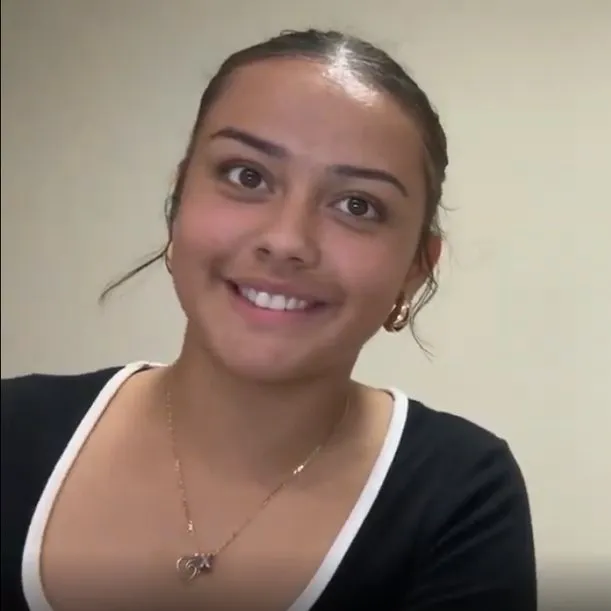
Recorded interview
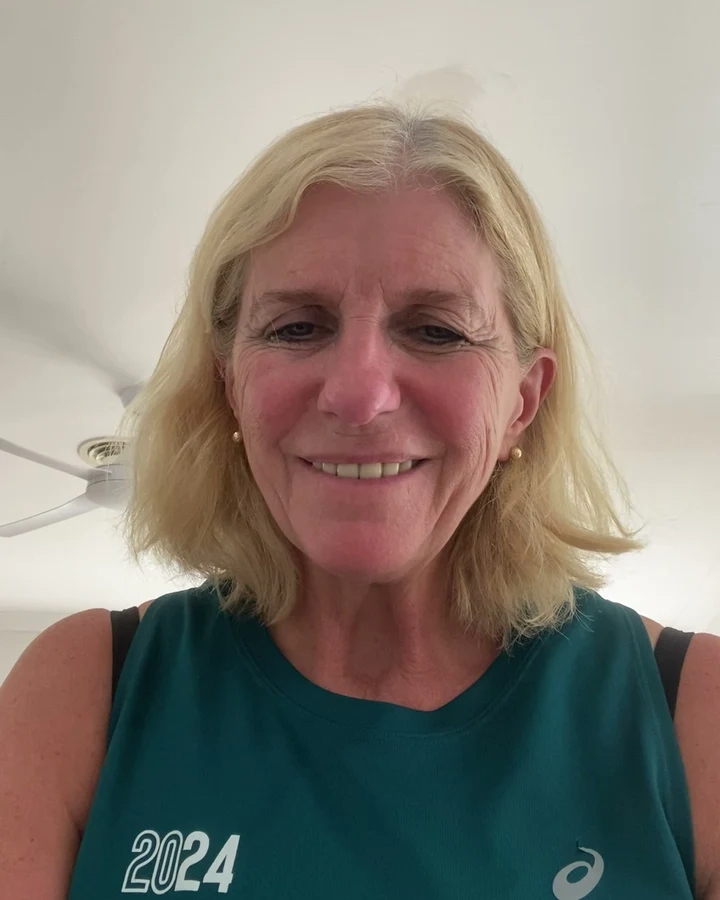
“I used to rate myself a three. Now my confidence is an eight or a nine.”
XuelaStudent

Trusted by 4,200+ families
A 1-to-1 tutor for each subject, the same one every week. Lessons follow your school's IP curriculum through to the A-Level or IB.
One 1-to-1 tutor per subject, all six years of the IP.
Who is the IP tuition for?
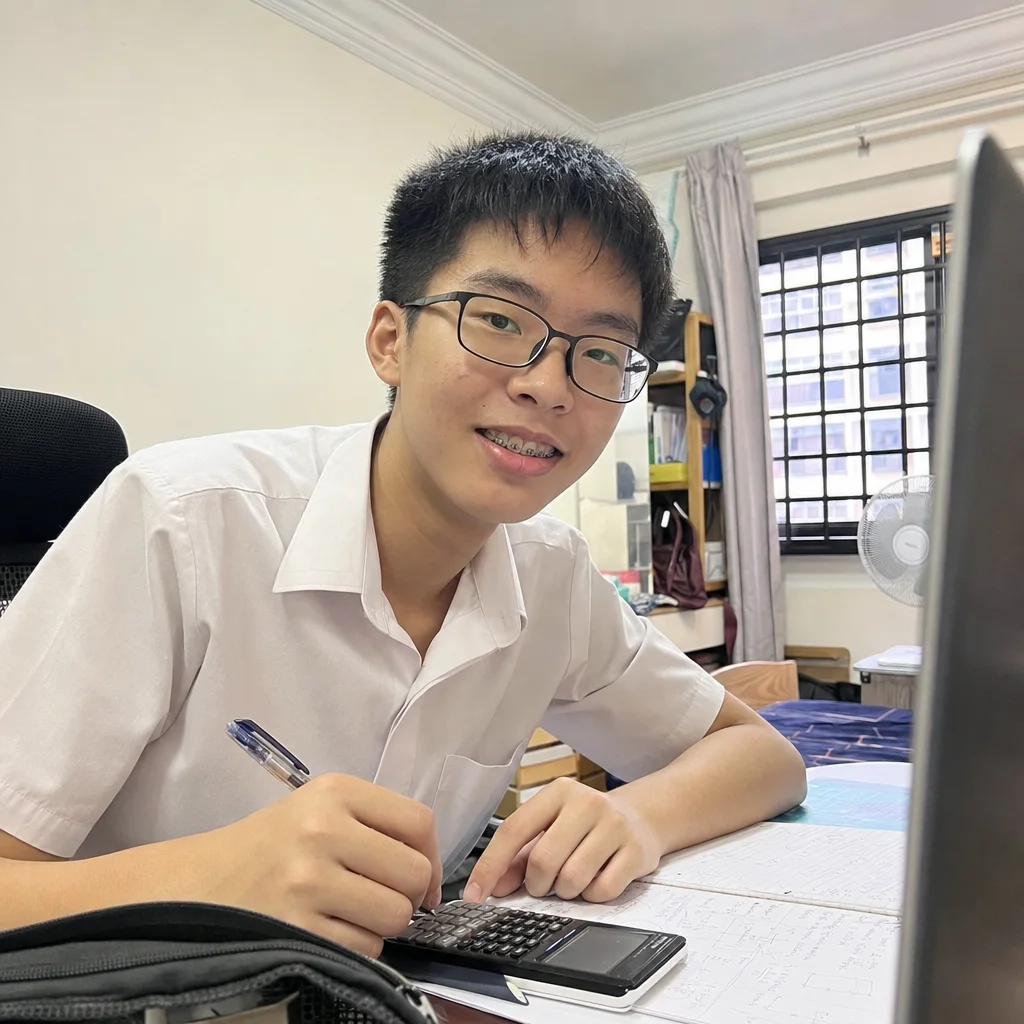


Build a consistent relationship with a carefully selected tutor who suits each student's needs.

Each lesson is tailored to the student’s goals to ensure steady, meaningful progress.
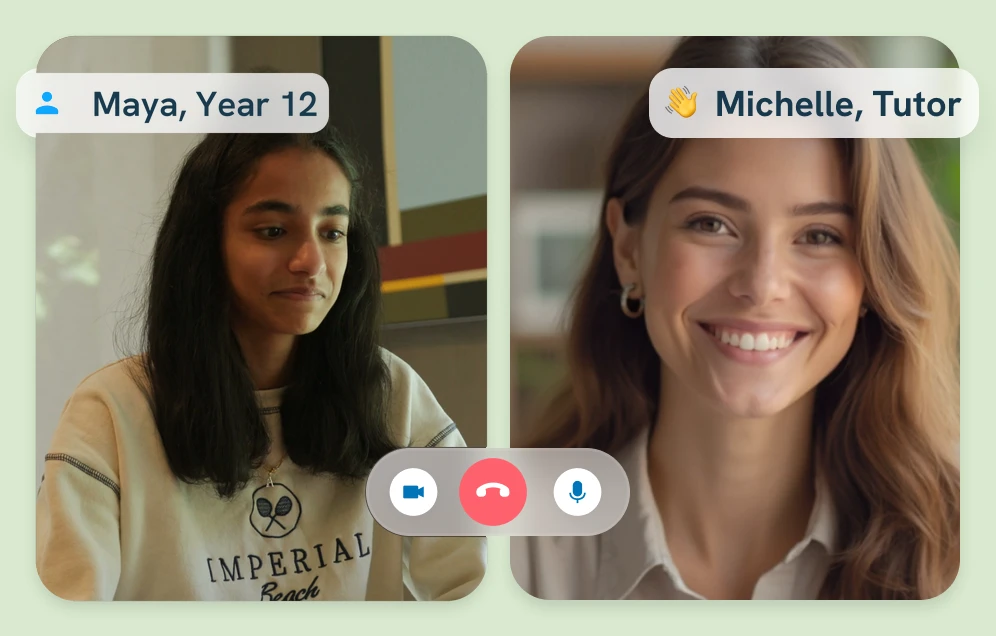

“I did my research and Tutero stood out. Our tutor is amazing. I would recommend Tutero to anyone who is looking for tutoring for their kids.”

“She was struggling, and I was trying to find a tutor. The minute I applied for Tutero, I got a call from Joey. I am so grateful that I did.”

“I was searching on Google and I found Tutero. It was convenient and easy to sign up. The tutoring has perfectly fit what we were after.”

Our education team handpicks the perfect tutor for each student based on their needs.

Every family is supported by a dedicated account manager from day one.

Students get access to thousands of engaging resources for every stage of learning.

Track progress with detailed lesson reports available anytime via our app.
Our education team handpicks the perfect tutor for each student based on their needs.
Every family is supported by a dedicated account manager from day one.
Students get access to thousands of engaging resources for every stage of learning.
Track progress with detailed lesson reports available anytime via our app.
4.9 stars from 250+ Google reviews.
“I used to rate myself a three. Now my confidence is an eight or a nine.”
XuelaStudent
“Tutero has really helped me lift up my grades significantly. My tutor has also helped me pinpoint what I need to work on most and how I can improve.”
“I highly recommend Tutero. It was very easy to find a tutor and the coaching and the materials are amazing. Thanks to Nathan and Naz for the guidance.”
Four ways to get help with IP tuition, side by side.
| Tutero | Tuition centre | Tutor marketplace | Help at school | |
|---|---|---|---|---|
| One tutor per student | Always | Small groups | You vet | Shared |
| Their own curriculum | Every lesson | Sometimes | Depends | Yes |
| Written report | Every lesson | Rarely | Rarely | Rarely |
| Commitment | None | By the term | Varies | School year |
IP tuitionFrom S$65 an hour, the same rate at every level. No contracts, no sign-up fee. Pay after each lesson.
Get my quoteFrom S$65 an hour, the same rate in every year of the programme. A qualified teacher is from S$75 an hour. There are no contracts and no sign-up fee, and you pay after each lesson. All prices are in SGD.
Mathematics, Biology, Chemistry, Physics, Geography, English, Economics and other IP and JC-level subjects. Lessons follow what your school teaches, so students focus on relevant content and assessment requirements.
Carefully selected, Singapore-based tutors who are ID-verified and have signed a declaration. They understand fast-paced school programmes, school-based assessments and the A-Level and IB exams that IP students sit at the end.
Yes. A-Level track students are matched with tutors who know their H1, H2 and H3 subjects. IB track students are matched for their subjects at Standard or Higher Level, plus the Extended Essay and TOK.
Yes. Tutors build revision plans, practise past papers and teach exam strategy and time management. They find weak areas early and prepare students for school exams and, later, the A-Levels or IB.
Tell us about your child and an account manager calls within 24 hours to learn their goals and choose their tutor. Lessons then start 1-to-1 from home, matched to their subjects and track.
How progress is measured without the O-Level, the dates that matter and how to choose a track.
IP students skip the O-Level, so for the first four years there is no national exam. Progress is measured by school assessments, projects and end-of-year exams, and each school sets its own standard for promotion to the next year. Ask your school how it decides promotion and final-year subjects, because it differs between schools.
In the final two years, results switch to an external exam: the Singapore-Cambridge A-Level, set by SEAB with Cambridge, or the IB Diploma, set by the International Baccalaureate. These are the results universities see, so the early years are really about building the depth those exams expect.
Most IP schools follow the MOE calendar, with four terms from January to November. Without national exams, the main checkpoints are your school’s own end-of-year exams until Year 6, when the external A-Level or IB exams arrive. Check your school calendar for exact dates.
Most IP schools offer one track, so the choice is usually made when choosing the school. Within the track, subjects for the final two years are usually chosen around the end of Year 4, based on school results.
What to weigh: the A-Level suits students who want to go deep in three H2 subjects. The IB asks for breadth, with six subjects plus the Extended Essay and TOK. For university, check subject prerequisites early, such as H2 Mathematics or Mathematics Analysis and Approaches at Higher Level.
The pace in Years 1 and 2 surprises many students. Without an exam deadline, gaps in algebra or essay writing can go unnoticed until Years 3 and 4, when topics move to A-Level or IB depth. Starting in Year 1, or when the first end-of-year results come back, keeps those gaps small.
In Years 5 and 6, a good weekly rhythm is content support while topics are new, then timed past paper questions once a topic is finished at school. IB students should plan internal assessment and Extended Essay drafts across the year so they do not collide with exam revision.
Your child keeps the same tutor every week, and lessons start from their own school work. In the early years that means depth and good habits. In Years 5 and 6 it shifts to A-Level or IB papers, internal assessments and exam technique.
What IP students work on at each stage, and how a tutor helps.
Many IP schools move faster than mainstream Sec 1 and 2, with more depth, research projects and less time on exam drills.
Solve x + y = 10 and 2x − y = 5.
Answerx = 5, y = 5
Keeps pace with a fast timetable, so one hard topic does not turn into a term of catching up.
Based on the MOE Integrated Programme overview.
Without O-Levels, Years 3 and 4 build toward A-Level or IB depth. School results shape subject combinations for the final two years.
Technology changes how we create more than how much: a phone camera does not make anyone less creative, but it does make good ideas harder to notice.
Builds the essay and problem-solving skills that A-Level and IB work assumes.
Based on the MOE Integrated Programme overview.
A-Level track students take H1, H2 and H3 subjects with General Paper, and sit the Singapore-Cambridge A-Level at the end of Year 6.
Find dy/dx if y = x2 ex.
Answerx ex (x + 2)
Works through tutorial questions and past A-Level papers in each H2 subject.
Based on the SEAB GCE A-Level syllabuses (2026).
IB track students take six subjects at Standard or Higher Level, plus the Extended Essay, Theory of Knowledge and CAS. The top score is 45.
To what extent can a scientific theory be accepted if it cannot yet be tested?
Plans internal assessments and the Extended Essay early, so deadlines do not pile up in the final year.
Based on the IBO Diploma Programme assessment (2026).
Who is the tuition for?