.svg)

Updated November 2026
If your child has exams coming up, the most useful thing you can do as a parent often isn't more study — it's protecting their sleep, feeding them properly, keeping the house calm, and planning the night before and the day after. This guide walks through exam-period support across elementary, middle school, and high school students. The goal: your child shows up rested, fed, and steady — without you turning the house into a stress factory.
Quick answer
Support your child during exams by protecting four things in this order: sleep (8–10 hours, every night, including the night before), food (regular meals, water, protein at breakfast, no skipped lunches), a calm study schedule (study blocks of 30–45 minutes with proper breaks, not all-nighters), and a planned decompression window after each paper. Cut yelling and last-minute quizzing. Drive them, feed them, listen, and remind them that one exam isn't the end of the world. If your child is consistently underperforming or panicking, a tutor over a few weeks can rebuild confidence faster than another lecture from you.
How can I support my child during exams without nagging?
The most useful exam-period support is logistical and emotional, not academic. Your child has had months of teaching; the night before the exam, your job isn't to teach them — it's to make sure they're rested, fed, and not stressed by you. The shift sounds simple but it changes the house. Stop asking "did you study?" Stop comparing them to a sibling or classmate. Stop quizzing them in the kitchen. Instead, do the boring helpful things: post the exam timetable on the fridge, plan the drive, lay out the school uniform the night before, keep dinner simple and on time, and — most importantly — make it clear by your behavior that you're proud of them whatever the result is. American and Australian adolescents both report that parental pressure during exams is one of the biggest sources of exam-period stress, more than the exams themselves. The lever you control is your own behavior.
- Print the exam timetable and post it where everyone can see it (fridge, hallway). This gets everyone — siblings included — on the same page about quiet hours.
- Drive them or sort the bus on exam days. Don't let exam-day logistics be one more thing for your child to manage.
- Be the calm one in the room. If you're stressed, they'll pick it up — even when you don't say anything. Take your own deep breath before they walk out the door.
- Skip the post-mortem the moment they walk in. Ask "how are you feeling?" not "how do you think you went?". The detailed debrief can come tomorrow if at all.
What should I feed my child during exam week?
During exam week, feed your child regular, simple, protein-rich meals — and don't skip breakfast. The brain runs on glucose, and a child who skips breakfast or grabs a sugary snack will crash mid-exam. Aim for protein and slow-release carbs at breakfast (eggs on toast, oatmeal with milk, yogurt with fruit, peanut butter on whole-grain), a proper lunch (sandwich + fruit + water bottle, not a candy bar from the cafeteria), and a normal family dinner that doesn't get pushed to 9pm because of cramming. Hydration matters as much as food: a dehydrated child concentrates worse. Send a refillable water bottle to every exam. Avoid energy drinks and high-caffeine coffee — the rebound is brutal and they're already nervous.

- Breakfast every exam day with protein. Eggs, oatmeal, yogurt, peanut butter on toast — anything but cereal-with-sugar-only.
- Pack a real lunch on exam days. Cafeteria lines waste calm minutes; a sandwich and fruit from home is better.
- Water bottle to every exam (where allowed). Mild dehydration drops cognitive performance measurably.
- Skip the energy drinks. If they want caffeine, a small drip coffee in the morning is fine; a large pre-workout energy drink before the exam isn't.
- Don't change the menu. Exam week isn't the time to debut a new "study superfood" — stick to food they already eat and digest comfortably.
How much sleep does my child need during exams?
Adolescents need 8–10 hours of sleep per night, and exam week is the most important week of the year to protect that range — not erode it. The American Academy of Pediatrics, the Sleep Foundation, and the CDC all converge on the same number for ages 13–18: at least eight hours, with nine ideal. Younger elementary children need more (9–11 hours). Skipping sleep to cram is one of the worst trades a stressed teenager can make — every published cognitive study on adolescent sleep shows working memory, attention, and emotional regulation drop sharply below seven hours. The night before the exam matters most: a well-rested student who studied less will outperform an exhausted student who crammed all night, on average. Lights out at the same time as a normal school night. Phone out of the bedroom. Wake naturally where possible.
- Elementary children (Grades K–5): 9–11 hours.
- Middle school (Grades 6–8): 9–10 hours.
- High school (Grades 9–12): 8–10 hours, even during AP/SAT/ACT weeks.
- Phone out of the bedroom at lights-out. Charge it in the kitchen. If they push back, this is the hill to die on.
- No all-nighters. Ever. Sleep beats one extra hour of revision at any age, on any subject.
How should we structure a study schedule during exam week?
A good exam-week study schedule uses short focused study blocks (30–45 minutes), proper breaks (5–10 minutes), and a hard cut-off at dinner. Cramming in 4-hour marathons is the worst possible structure — attention falls off a cliff after 45–60 minutes, and a tired brain re-reads pages without retaining anything. Build the week working backwards from each exam: the day before each paper is light revision and rest, not new material. Use active recall (closed-book questions, past papers) over passive re-reading. For high school students sitting AP, SAT, or ACT papers, working through past papers under timed conditions does more than any amount of highlighting. For elementary and middle-school students, 30 minutes of focused practice is plenty; if they're spending three hours on 5th-grade state-test prep, they're being over-prepared.
- 30–45-minute study blocks with a 5–10-minute break. Get up, walk around, drink water, look out the window.
- Hardest subject in the morning when their brain is freshest, easier review in the afternoon.
- Past papers under timed conditions beat re-reading the textbook. Mark them honestly.
- Day before the exam = light revision only. No new content. This isn't laziness — it's how memory consolidates.
- Hard cut-off at dinner on the night before. After dinner: shower, easy chat, normal bedtime. Cramming till midnight is counterproductive.
Should I let my child have screen time during exam week?
Yes, in moderation — but phones go out of the bedroom at night, and social media gets capped during the day. The research on adolescent screen time and exam stress is clear: high social-media use during exam weeks correlates with worse sleep, higher anxiety, and lower performance. The dopamine churn of TikTok / Instagram / Snapchat is the exact opposite of the calm focus exams reward. That doesn't mean banning screens entirely (which often backfires and creates a fight you don't need this week). It means: phone out of the bedroom at night, social media off during the school day, screen-based study (a tutoring call, a recorded lecture, Khan Academy, Crash Course) is fine, gaming as a defined break is fine. The line is "screens that calm them down or teach them" yes; "screens that keep them up till 1am scrolling" no.
- Phone out of the bedroom from 9pm. Non-negotiable during exam week.
- Social media capped during the school day on exam days — the comparison spiral with classmates is real.
- Educational screens are fine. A tutor on a video call, recorded lectures, Khan Academy, Crash Course, state-board revision videos — all helpful.
- Gaming as a defined break is fine. 30 minutes after dinner, then off. Open-ended sessions until 11pm aren't.
- Don't ban it suddenly mid-week. If you didn't lock down phones in week one of term, exam week isn't the moment for a new rule. Just shift it gently.
What do I do the night before my child's exam?
The night before an exam, stop studying after dinner, lay out everything they need for the morning, and make them go to bed at their normal time. The work for that exam is done. Anything they don't know by 8pm tonight, they're not going to learn before tomorrow morning — and trying makes them more anxious, not better prepared. Practical steps: lay out clothes for the morning, the calculator, the pens, the water bottle, the student ID, the exam timetable. Plan the morning logistics so there's no scramble (set the alarm, plan the drive, pack the bag). A short walk or a hot shower after dinner helps wind them down. Phone out of the bedroom by 9pm. Aim for sleep at the normal school-night time, even if they "feel awake". Tomorrow morning: a real breakfast, a calm drop-off, and a "good luck, I love you" rather than "remember everything we studied".
- Stop studying after dinner. The work is done. More cramming hurts more than it helps.
- Lay everything out the night before — clothes, calculator, pens, ID, water bottle, exam timetable. No scramble in the morning.
- Plan the drop-off. Driving them is calmer than the bus on exam morning. Build in 10 extra minutes.
- Normal bedtime. Do not push back to "get one more hour of revision in".
- Send them off with a hug, not a quiz. "Good luck, I love you" — that's the line.
How do I support my child after they finish an exam?
After each exam, give your child a planned decompression window before the next paper or the end of the season. Don't ask "how did it go?" the moment they get in the car — they don't know yet, and being asked makes them re-spiral on every question they think they got wrong. Drive home, hand them food and water, let them lie on the couch for an hour. Save the debrief for tomorrow if at all. If there's another paper in two days, the next 24 hours is rest, light revision, and sleep — not a 6-hour post-mortem. If exams are over for the term, plan something that breaks the routine — a movie, a beach trip, a day with nothing scheduled. Praise the effort, not the result. The result will arrive when it arrives; what your child needs from you in the days after is reassurance that they are loved and respected regardless of the grade.
- No "how did it go?" in the car. Ask "how are you feeling?" instead. Or just hand them a snack.
- Plan the gap between papers — sleep, light revision, a walk, food. Not a 6-hour cram.
- When the season is over, plan a real break. A movie, a beach day, a sleep-in — something that signals "you did it".
- Praise the effort, not the result. "I'm proud of how hard you worked" lands; "you'd better have got an A" doesn't.
- Hold the post-mortem for tomorrow at the earliest. If there's another paper in 48 hours, sometimes the post-mortem can wait until the whole season is over.
How do I balance pushing my child and supporting them through exams?
The simplest rule: push during the term, support during the exam. Standards, expectations, "did you do your homework?" — those belong in week 3 of the semester, not the night before the chemistry final. By the time exams arrive, the prep is done; what's left is showing up. If your child is the type who under-prepares and needs prodding, that conversation should have happened a month ago. If your child is the type who over-prepares and panics, your job during exam week is to give them permission to stop. Watch for two failure modes. First: parents who keep pushing during the exam itself ("did you study? are you sure? maybe one more hour?") — this raises anxiety without raising performance. Second: parents who go too soft and let routines slide ("oh just have McDonald's tonight, you've worked hard") — comfort food is fine, but bedtime, sleep, and a calm room still matter. The middle is steady, kind, and unconditional.
- Push during the term, not exam week. By the time the timetable is on the fridge, the prep is what it is.
- Watch for the "one more hour" trap. Adding pressure on the night before reduces performance — every adolescent-stress study agrees on this.
- Watch for the "let everything slide" trap. Bedtime, food, and a calm room still matter — even with a sympathetic eye to the stress.
- Different kids need different things. An over-preparer needs permission to rest. An under-preparer needs the term-long structure, not exam-week panic.
- Your behavior is the strongest signal. If you're stressed, they will be too — even if you say nothing.
When does private tutoring help during exam season?
Private tutoring helps in exam season when your child is consistently underperforming on practice papers, panicking about a specific subject, or asking for help themselves. A few weeks of one-to-one tutoring before a major exam — AP Calculus, SAT, or state finals — does more than any amount of you-and-them at the kitchen table. The tutor knows the past papers, knows the marking criteria, and knows the common mistakes. They can also give your child a calm hour with someone who isn't their parent — which often matters more than the math itself. At Tutero, online one-to-one tutoring starts at US$45/hour in the US and A$65/hour in Australia, with no contracts and the same rate for every grade level — elementary, middle school, or high school. We match each student to a tutor, a parent watches the first session, and you can stop any time. For acute exam stress (panic, sleep loss, can't open the book) read our companion guide on helping your child manage exam stress alongside this one — the two cover different angles of the same hard week.
- Start a few weeks out, not the night before. One tutoring session won't change a final grade; six over a month can.
- Pick a single subject — the one they're most worried about. Don't try to fix everything at once.
- Ask the tutor about past papers. A good tutor will work through real past papers under timed conditions with your child, not generic worksheets.
- A tutor can also be the calm adult who isn't you. Some children need a non-parent voice to give exam advice.
The bottom line — how do I support my child during exams?
Supporting your child during exams looks less like academic help and more like running a steady, calm household: 8–10 hours of sleep, regular meals, water, a sensible study schedule, no phones in the bedroom, no last-minute quizzes the night before, and a planned decompression window after each paper. Push during the term, support during the exam. Praise the effort, not the result. If your child needs more than parenting can give — a steady run of poor practice papers, panic, real distress — a few weeks of one-to-one tutoring before the exam often resets confidence faster than another night of cramming. And if exam stress itself has crossed into anxiety territory, our piece on helping your child manage exam stress covers the acute-anxiety side in more depth.
Related reading for parents during exam season:
- How to help your child manage exam stress — the acute-anxiety guide that pairs with this one.
- How to help your child master time management for exams
- Effective study strategies for math exams
- How to help your child focus during study sessions
- Proven strategies for acing high-school finals
- How tutoring improves state-test results
- How to motivate your child during exam season
- How to help your child focus and pay attention
- 5 key benefits of private tutoring
- The ideal time to begin tutoring
Ready to give your child steady support before the next paper? Tutero matches your child to a tutor in 24 hours, US$45/hour, no contracts, same rate for every grade level. See how Tutero works or meet our tutors.
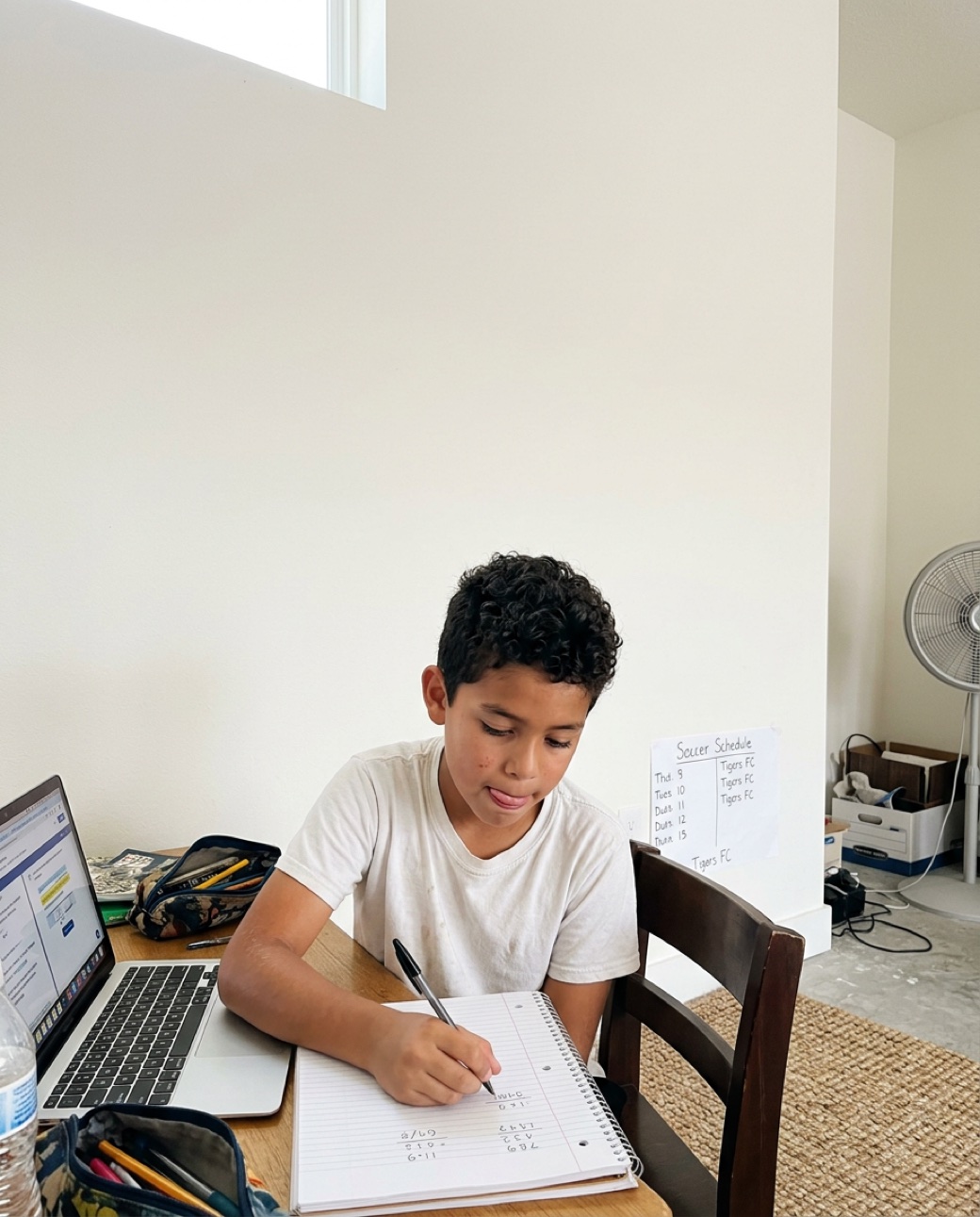
Sleep, meals, and a calm room do more for exam performance than another hour of cramming.
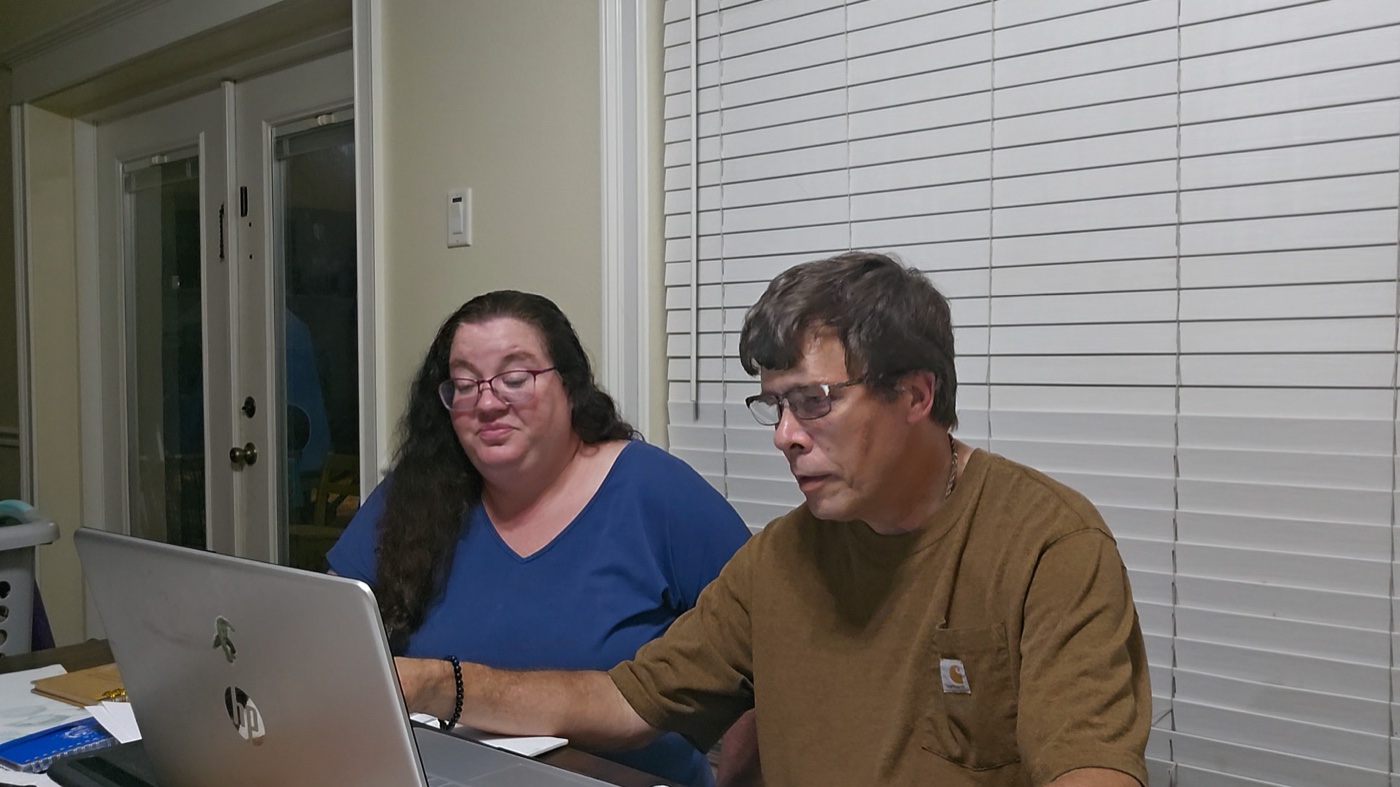
Sleep, meals, and a calm room do more for exam performance than another hour of cramming.
Updated November 2026
If your child has exams coming up, the most useful thing you can do as a parent often isn't more study — it's protecting their sleep, feeding them properly, keeping the house calm, and planning the night before and the day after. This guide walks through exam-period support across elementary, middle school, and high school students. The goal: your child shows up rested, fed, and steady — without you turning the house into a stress factory.
Quick answer
Support your child during exams by protecting four things in this order: sleep (8–10 hours, every night, including the night before), food (regular meals, water, protein at breakfast, no skipped lunches), a calm study schedule (study blocks of 30–45 minutes with proper breaks, not all-nighters), and a planned decompression window after each paper. Cut yelling and last-minute quizzing. Drive them, feed them, listen, and remind them that one exam isn't the end of the world. If your child is consistently underperforming or panicking, a tutor over a few weeks can rebuild confidence faster than another lecture from you.
How can I support my child during exams without nagging?
The most useful exam-period support is logistical and emotional, not academic. Your child has had months of teaching; the night before the exam, your job isn't to teach them — it's to make sure they're rested, fed, and not stressed by you. The shift sounds simple but it changes the house. Stop asking "did you study?" Stop comparing them to a sibling or classmate. Stop quizzing them in the kitchen. Instead, do the boring helpful things: post the exam timetable on the fridge, plan the drive, lay out the school uniform the night before, keep dinner simple and on time, and — most importantly — make it clear by your behavior that you're proud of them whatever the result is. American and Australian adolescents both report that parental pressure during exams is one of the biggest sources of exam-period stress, more than the exams themselves. The lever you control is your own behavior.
- Print the exam timetable and post it where everyone can see it (fridge, hallway). This gets everyone — siblings included — on the same page about quiet hours.
- Drive them or sort the bus on exam days. Don't let exam-day logistics be one more thing for your child to manage.
- Be the calm one in the room. If you're stressed, they'll pick it up — even when you don't say anything. Take your own deep breath before they walk out the door.
- Skip the post-mortem the moment they walk in. Ask "how are you feeling?" not "how do you think you went?". The detailed debrief can come tomorrow if at all.
What should I feed my child during exam week?
During exam week, feed your child regular, simple, protein-rich meals — and don't skip breakfast. The brain runs on glucose, and a child who skips breakfast or grabs a sugary snack will crash mid-exam. Aim for protein and slow-release carbs at breakfast (eggs on toast, oatmeal with milk, yogurt with fruit, peanut butter on whole-grain), a proper lunch (sandwich + fruit + water bottle, not a candy bar from the cafeteria), and a normal family dinner that doesn't get pushed to 9pm because of cramming. Hydration matters as much as food: a dehydrated child concentrates worse. Send a refillable water bottle to every exam. Avoid energy drinks and high-caffeine coffee — the rebound is brutal and they're already nervous.
- Breakfast every exam day with protein. Eggs, oatmeal, yogurt, peanut butter on toast — anything but cereal-with-sugar-only.
- Pack a real lunch on exam days. Cafeteria lines waste calm minutes; a sandwich and fruit from home is better.
- Water bottle to every exam (where allowed). Mild dehydration drops cognitive performance measurably.
- Skip the energy drinks. If they want caffeine, a small drip coffee in the morning is fine; a large pre-workout energy drink before the exam isn't.
- Don't change the menu. Exam week isn't the time to debut a new "study superfood" — stick to food they already eat and digest comfortably.
How much sleep does my child need during exams?
Adolescents need 8–10 hours of sleep per night, and exam week is the most important week of the year to protect that range — not erode it. The American Academy of Pediatrics, the Sleep Foundation, and the CDC all converge on the same number for ages 13–18: at least eight hours, with nine ideal. Younger elementary children need more (9–11 hours). Skipping sleep to cram is one of the worst trades a stressed teenager can make — every published cognitive study on adolescent sleep shows working memory, attention, and emotional regulation drop sharply below seven hours. The night before the exam matters most: a well-rested student who studied less will outperform an exhausted student who crammed all night, on average. Lights out at the same time as a normal school night. Phone out of the bedroom. Wake naturally where possible.
- Elementary children (Grades K–5): 9–11 hours.
- Middle school (Grades 6–8): 9–10 hours.
- High school (Grades 9–12): 8–10 hours, even during AP/SAT/ACT weeks.
- Phone out of the bedroom at lights-out. Charge it in the kitchen. If they push back, this is the hill to die on.
- No all-nighters. Ever. Sleep beats one extra hour of revision at any age, on any subject.
How should we structure a study schedule during exam week?
A good exam-week study schedule uses short focused study blocks (30–45 minutes), proper breaks (5–10 minutes), and a hard cut-off at dinner. Cramming in 4-hour marathons is the worst possible structure — attention falls off a cliff after 45–60 minutes, and a tired brain re-reads pages without retaining anything. Build the week working backwards from each exam: the day before each paper is light revision and rest, not new material. Use active recall (closed-book questions, past papers) over passive re-reading. For high school students sitting AP, SAT, or ACT papers, working through past papers under timed conditions does more than any amount of highlighting. For elementary and middle-school students, 30 minutes of focused practice is plenty; if they're spending three hours on 5th-grade state-test prep, they're being over-prepared.
- 30–45-minute study blocks with a 5–10-minute break. Get up, walk around, drink water, look out the window.
- Hardest subject in the morning when their brain is freshest, easier review in the afternoon.
- Past papers under timed conditions beat re-reading the textbook. Mark them honestly.
- Day before the exam = light revision only. No new content. This isn't laziness — it's how memory consolidates.
- Hard cut-off at dinner on the night before. After dinner: shower, easy chat, normal bedtime. Cramming till midnight is counterproductive.
Should I let my child have screen time during exam week?
Yes, in moderation — but phones go out of the bedroom at night, and social media gets capped during the day. The research on adolescent screen time and exam stress is clear: high social-media use during exam weeks correlates with worse sleep, higher anxiety, and lower performance. The dopamine churn of TikTok / Instagram / Snapchat is the exact opposite of the calm focus exams reward. That doesn't mean banning screens entirely (which often backfires and creates a fight you don't need this week). It means: phone out of the bedroom at night, social media off during the school day, screen-based study (a tutoring call, a recorded lecture, Khan Academy, Crash Course) is fine, gaming as a defined break is fine. The line is "screens that calm them down or teach them" yes; "screens that keep them up till 1am scrolling" no.
- Phone out of the bedroom from 9pm. Non-negotiable during exam week.
- Social media capped during the school day on exam days — the comparison spiral with classmates is real.
- Educational screens are fine. A tutor on a video call, recorded lectures, Khan Academy, Crash Course, state-board revision videos — all helpful.
- Gaming as a defined break is fine. 30 minutes after dinner, then off. Open-ended sessions until 11pm aren't.
- Don't ban it suddenly mid-week. If you didn't lock down phones in week one of term, exam week isn't the moment for a new rule. Just shift it gently.
What do I do the night before my child's exam?
The night before an exam, stop studying after dinner, lay out everything they need for the morning, and make them go to bed at their normal time. The work for that exam is done. Anything they don't know by 8pm tonight, they're not going to learn before tomorrow morning — and trying makes them more anxious, not better prepared. Practical steps: lay out clothes for the morning, the calculator, the pens, the water bottle, the student ID, the exam timetable. Plan the morning logistics so there's no scramble (set the alarm, plan the drive, pack the bag). A short walk or a hot shower after dinner helps wind them down. Phone out of the bedroom by 9pm. Aim for sleep at the normal school-night time, even if they "feel awake". Tomorrow morning: a real breakfast, a calm drop-off, and a "good luck, I love you" rather than "remember everything we studied".
- Stop studying after dinner. The work is done. More cramming hurts more than it helps.
- Lay everything out the night before — clothes, calculator, pens, ID, water bottle, exam timetable. No scramble in the morning.
- Plan the drop-off. Driving them is calmer than the bus on exam morning. Build in 10 extra minutes.
- Normal bedtime. Do not push back to "get one more hour of revision in".
- Send them off with a hug, not a quiz. "Good luck, I love you" — that's the line.
How do I support my child after they finish an exam?
After each exam, give your child a planned decompression window before the next paper or the end of the season. Don't ask "how did it go?" the moment they get in the car — they don't know yet, and being asked makes them re-spiral on every question they think they got wrong. Drive home, hand them food and water, let them lie on the couch for an hour. Save the debrief for tomorrow if at all. If there's another paper in two days, the next 24 hours is rest, light revision, and sleep — not a 6-hour post-mortem. If exams are over for the term, plan something that breaks the routine — a movie, a beach trip, a day with nothing scheduled. Praise the effort, not the result. The result will arrive when it arrives; what your child needs from you in the days after is reassurance that they are loved and respected regardless of the grade.
- No "how did it go?" in the car. Ask "how are you feeling?" instead. Or just hand them a snack.
- Plan the gap between papers — sleep, light revision, a walk, food. Not a 6-hour cram.
- When the season is over, plan a real break. A movie, a beach day, a sleep-in — something that signals "you did it".
- Praise the effort, not the result. "I'm proud of how hard you worked" lands; "you'd better have got an A" doesn't.
- Hold the post-mortem for tomorrow at the earliest. If there's another paper in 48 hours, sometimes the post-mortem can wait until the whole season is over.
How do I balance pushing my child and supporting them through exams?
The simplest rule: push during the term, support during the exam. Standards, expectations, "did you do your homework?" — those belong in week 3 of the semester, not the night before the chemistry final. By the time exams arrive, the prep is done; what's left is showing up. If your child is the type who under-prepares and needs prodding, that conversation should have happened a month ago. If your child is the type who over-prepares and panics, your job during exam week is to give them permission to stop. Watch for two failure modes. First: parents who keep pushing during the exam itself ("did you study? are you sure? maybe one more hour?") — this raises anxiety without raising performance. Second: parents who go too soft and let routines slide ("oh just have McDonald's tonight, you've worked hard") — comfort food is fine, but bedtime, sleep, and a calm room still matter. The middle is steady, kind, and unconditional.
- Push during the term, not exam week. By the time the timetable is on the fridge, the prep is what it is.
- Watch for the "one more hour" trap. Adding pressure on the night before reduces performance — every adolescent-stress study agrees on this.
- Watch for the "let everything slide" trap. Bedtime, food, and a calm room still matter — even with a sympathetic eye to the stress.
- Different kids need different things. An over-preparer needs permission to rest. An under-preparer needs the term-long structure, not exam-week panic.
- Your behavior is the strongest signal. If you're stressed, they will be too — even if you say nothing.
When does private tutoring help during exam season?
Private tutoring helps in exam season when your child is consistently underperforming on practice papers, panicking about a specific subject, or asking for help themselves. A few weeks of one-to-one tutoring before a major exam — AP Calculus, SAT, or state finals — does more than any amount of you-and-them at the kitchen table. The tutor knows the past papers, knows the marking criteria, and knows the common mistakes. They can also give your child a calm hour with someone who isn't their parent — which often matters more than the math itself. At Tutero, online one-to-one tutoring starts at US$45/hour in the US and A$65/hour in Australia, with no contracts and the same rate for every grade level — elementary, middle school, or high school. We match each student to a tutor, a parent watches the first session, and you can stop any time. For acute exam stress (panic, sleep loss, can't open the book) read our companion guide on helping your child manage exam stress alongside this one — the two cover different angles of the same hard week.
- Start a few weeks out, not the night before. One tutoring session won't change a final grade; six over a month can.
- Pick a single subject — the one they're most worried about. Don't try to fix everything at once.
- Ask the tutor about past papers. A good tutor will work through real past papers under timed conditions with your child, not generic worksheets.
- A tutor can also be the calm adult who isn't you. Some children need a non-parent voice to give exam advice.
The bottom line — how do I support my child during exams?
Supporting your child during exams looks less like academic help and more like running a steady, calm household: 8–10 hours of sleep, regular meals, water, a sensible study schedule, no phones in the bedroom, no last-minute quizzes the night before, and a planned decompression window after each paper. Push during the term, support during the exam. Praise the effort, not the result. If your child needs more than parenting can give — a steady run of poor practice papers, panic, real distress — a few weeks of one-to-one tutoring before the exam often resets confidence faster than another night of cramming. And if exam stress itself has crossed into anxiety territory, our piece on helping your child manage exam stress covers the acute-anxiety side in more depth.
Related reading for parents during exam season:
- How to help your child manage exam stress — the acute-anxiety guide that pairs with this one.
- How to help your child master time management for exams
- Effective study strategies for math exams
- How to help your child focus during study sessions
- Proven strategies for acing high-school finals
- How tutoring improves state-test results
- How to motivate your child during exam season
- How to help your child focus and pay attention
- 5 key benefits of private tutoring
- The ideal time to begin tutoring
Ready to give your child steady support before the next paper? Tutero matches your child to a tutor in 24 hours, US$45/hour, no contracts, same rate for every grade level. See how Tutero works or meet our tutors.
Sleep, meals, and a calm room do more for exam performance than another hour of cramming.
Sleep, meals, and a calm room do more for exam performance than another hour of cramming.

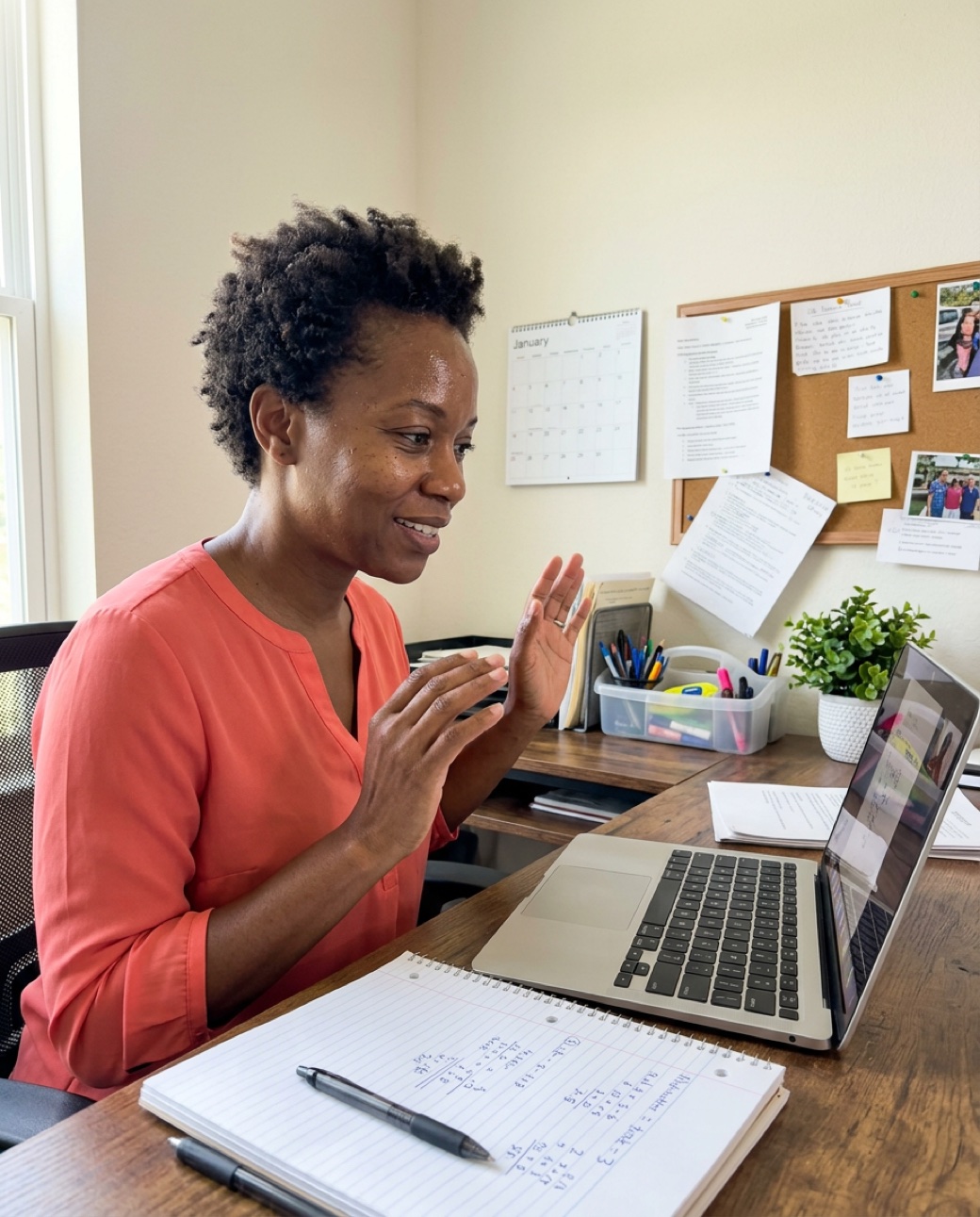
Sleep, meals, and a calm room do more for exam performance than another hour of cramming.
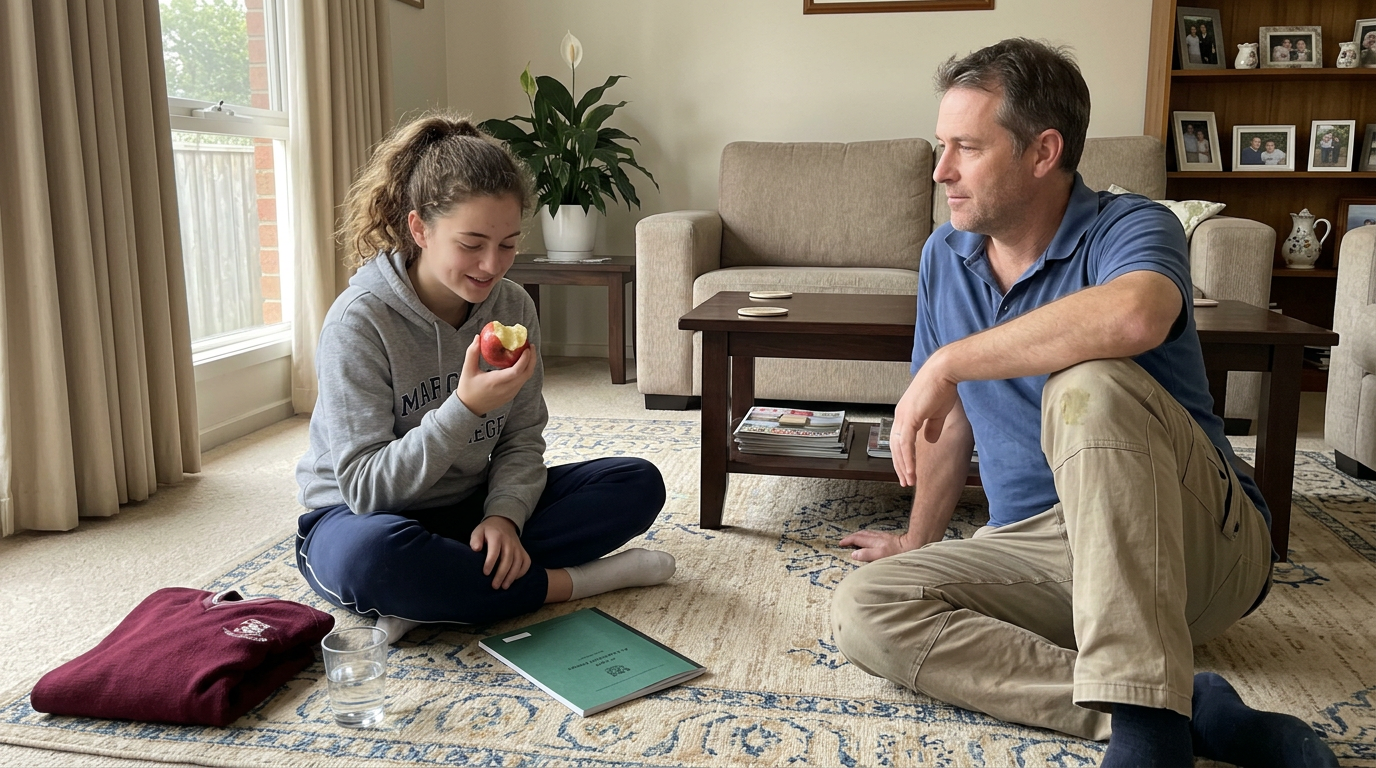
The day after the exam matters too — every kid needs a planned decompression window before the next paper.
Updated November 2026
If your child has exams coming up, the most useful thing you can do as a parent often isn't more study — it's protecting their sleep, feeding them properly, keeping the house calm, and planning the night before and the day after. This guide walks through exam-period support across elementary, middle school, and high school students. The goal: your child shows up rested, fed, and steady — without you turning the house into a stress factory.
Quick answer
Support your child during exams by protecting four things in this order: sleep (8–10 hours, every night, including the night before), food (regular meals, water, protein at breakfast, no skipped lunches), a calm study schedule (study blocks of 30–45 minutes with proper breaks, not all-nighters), and a planned decompression window after each paper. Cut yelling and last-minute quizzing. Drive them, feed them, listen, and remind them that one exam isn't the end of the world. If your child is consistently underperforming or panicking, a tutor over a few weeks can rebuild confidence faster than another lecture from you.
How can I support my child during exams without nagging?
The most useful exam-period support is logistical and emotional, not academic. Your child has had months of teaching; the night before the exam, your job isn't to teach them — it's to make sure they're rested, fed, and not stressed by you. The shift sounds simple but it changes the house. Stop asking "did you study?" Stop comparing them to a sibling or classmate. Stop quizzing them in the kitchen. Instead, do the boring helpful things: post the exam timetable on the fridge, plan the drive, lay out the school uniform the night before, keep dinner simple and on time, and — most importantly — make it clear by your behavior that you're proud of them whatever the result is. American and Australian adolescents both report that parental pressure during exams is one of the biggest sources of exam-period stress, more than the exams themselves. The lever you control is your own behavior.
- Print the exam timetable and post it where everyone can see it (fridge, hallway). This gets everyone — siblings included — on the same page about quiet hours.
- Drive them or sort the bus on exam days. Don't let exam-day logistics be one more thing for your child to manage.
- Be the calm one in the room. If you're stressed, they'll pick it up — even when you don't say anything. Take your own deep breath before they walk out the door.
- Skip the post-mortem the moment they walk in. Ask "how are you feeling?" not "how do you think you went?". The detailed debrief can come tomorrow if at all.
What should I feed my child during exam week?
During exam week, feed your child regular, simple, protein-rich meals — and don't skip breakfast. The brain runs on glucose, and a child who skips breakfast or grabs a sugary snack will crash mid-exam. Aim for protein and slow-release carbs at breakfast (eggs on toast, oatmeal with milk, yogurt with fruit, peanut butter on whole-grain), a proper lunch (sandwich + fruit + water bottle, not a candy bar from the cafeteria), and a normal family dinner that doesn't get pushed to 9pm because of cramming. Hydration matters as much as food: a dehydrated child concentrates worse. Send a refillable water bottle to every exam. Avoid energy drinks and high-caffeine coffee — the rebound is brutal and they're already nervous.
- Breakfast every exam day with protein. Eggs, oatmeal, yogurt, peanut butter on toast — anything but cereal-with-sugar-only.
- Pack a real lunch on exam days. Cafeteria lines waste calm minutes; a sandwich and fruit from home is better.
- Water bottle to every exam (where allowed). Mild dehydration drops cognitive performance measurably.
- Skip the energy drinks. If they want caffeine, a small drip coffee in the morning is fine; a large pre-workout energy drink before the exam isn't.
- Don't change the menu. Exam week isn't the time to debut a new "study superfood" — stick to food they already eat and digest comfortably.
How much sleep does my child need during exams?
Adolescents need 8–10 hours of sleep per night, and exam week is the most important week of the year to protect that range — not erode it. The American Academy of Pediatrics, the Sleep Foundation, and the CDC all converge on the same number for ages 13–18: at least eight hours, with nine ideal. Younger elementary children need more (9–11 hours). Skipping sleep to cram is one of the worst trades a stressed teenager can make — every published cognitive study on adolescent sleep shows working memory, attention, and emotional regulation drop sharply below seven hours. The night before the exam matters most: a well-rested student who studied less will outperform an exhausted student who crammed all night, on average. Lights out at the same time as a normal school night. Phone out of the bedroom. Wake naturally where possible.
- Elementary children (Grades K–5): 9–11 hours.
- Middle school (Grades 6–8): 9–10 hours.
- High school (Grades 9–12): 8–10 hours, even during AP/SAT/ACT weeks.
- Phone out of the bedroom at lights-out. Charge it in the kitchen. If they push back, this is the hill to die on.
- No all-nighters. Ever. Sleep beats one extra hour of revision at any age, on any subject.
How should we structure a study schedule during exam week?
A good exam-week study schedule uses short focused study blocks (30–45 minutes), proper breaks (5–10 minutes), and a hard cut-off at dinner. Cramming in 4-hour marathons is the worst possible structure — attention falls off a cliff after 45–60 minutes, and a tired brain re-reads pages without retaining anything. Build the week working backwards from each exam: the day before each paper is light revision and rest, not new material. Use active recall (closed-book questions, past papers) over passive re-reading. For high school students sitting AP, SAT, or ACT papers, working through past papers under timed conditions does more than any amount of highlighting. For elementary and middle-school students, 30 minutes of focused practice is plenty; if they're spending three hours on 5th-grade state-test prep, they're being over-prepared.
- 30–45-minute study blocks with a 5–10-minute break. Get up, walk around, drink water, look out the window.
- Hardest subject in the morning when their brain is freshest, easier review in the afternoon.
- Past papers under timed conditions beat re-reading the textbook. Mark them honestly.
- Day before the exam = light revision only. No new content. This isn't laziness — it's how memory consolidates.
- Hard cut-off at dinner on the night before. After dinner: shower, easy chat, normal bedtime. Cramming till midnight is counterproductive.
Should I let my child have screen time during exam week?
Yes, in moderation — but phones go out of the bedroom at night, and social media gets capped during the day. The research on adolescent screen time and exam stress is clear: high social-media use during exam weeks correlates with worse sleep, higher anxiety, and lower performance. The dopamine churn of TikTok / Instagram / Snapchat is the exact opposite of the calm focus exams reward. That doesn't mean banning screens entirely (which often backfires and creates a fight you don't need this week). It means: phone out of the bedroom at night, social media off during the school day, screen-based study (a tutoring call, a recorded lecture, Khan Academy, Crash Course) is fine, gaming as a defined break is fine. The line is "screens that calm them down or teach them" yes; "screens that keep them up till 1am scrolling" no.
- Phone out of the bedroom from 9pm. Non-negotiable during exam week.
- Social media capped during the school day on exam days — the comparison spiral with classmates is real.
- Educational screens are fine. A tutor on a video call, recorded lectures, Khan Academy, Crash Course, state-board revision videos — all helpful.
- Gaming as a defined break is fine. 30 minutes after dinner, then off. Open-ended sessions until 11pm aren't.
- Don't ban it suddenly mid-week. If you didn't lock down phones in week one of term, exam week isn't the moment for a new rule. Just shift it gently.
What do I do the night before my child's exam?
The night before an exam, stop studying after dinner, lay out everything they need for the morning, and make them go to bed at their normal time. The work for that exam is done. Anything they don't know by 8pm tonight, they're not going to learn before tomorrow morning — and trying makes them more anxious, not better prepared. Practical steps: lay out clothes for the morning, the calculator, the pens, the water bottle, the student ID, the exam timetable. Plan the morning logistics so there's no scramble (set the alarm, plan the drive, pack the bag). A short walk or a hot shower after dinner helps wind them down. Phone out of the bedroom by 9pm. Aim for sleep at the normal school-night time, even if they "feel awake". Tomorrow morning: a real breakfast, a calm drop-off, and a "good luck, I love you" rather than "remember everything we studied".
- Stop studying after dinner. The work is done. More cramming hurts more than it helps.
- Lay everything out the night before — clothes, calculator, pens, ID, water bottle, exam timetable. No scramble in the morning.
- Plan the drop-off. Driving them is calmer than the bus on exam morning. Build in 10 extra minutes.
- Normal bedtime. Do not push back to "get one more hour of revision in".
- Send them off with a hug, not a quiz. "Good luck, I love you" — that's the line.
How do I support my child after they finish an exam?
After each exam, give your child a planned decompression window before the next paper or the end of the season. Don't ask "how did it go?" the moment they get in the car — they don't know yet, and being asked makes them re-spiral on every question they think they got wrong. Drive home, hand them food and water, let them lie on the couch for an hour. Save the debrief for tomorrow if at all. If there's another paper in two days, the next 24 hours is rest, light revision, and sleep — not a 6-hour post-mortem. If exams are over for the term, plan something that breaks the routine — a movie, a beach trip, a day with nothing scheduled. Praise the effort, not the result. The result will arrive when it arrives; what your child needs from you in the days after is reassurance that they are loved and respected regardless of the grade.
- No "how did it go?" in the car. Ask "how are you feeling?" instead. Or just hand them a snack.
- Plan the gap between papers — sleep, light revision, a walk, food. Not a 6-hour cram.
- When the season is over, plan a real break. A movie, a beach day, a sleep-in — something that signals "you did it".
- Praise the effort, not the result. "I'm proud of how hard you worked" lands; "you'd better have got an A" doesn't.
- Hold the post-mortem for tomorrow at the earliest. If there's another paper in 48 hours, sometimes the post-mortem can wait until the whole season is over.
How do I balance pushing my child and supporting them through exams?
The simplest rule: push during the term, support during the exam. Standards, expectations, "did you do your homework?" — those belong in week 3 of the semester, not the night before the chemistry final. By the time exams arrive, the prep is done; what's left is showing up. If your child is the type who under-prepares and needs prodding, that conversation should have happened a month ago. If your child is the type who over-prepares and panics, your job during exam week is to give them permission to stop. Watch for two failure modes. First: parents who keep pushing during the exam itself ("did you study? are you sure? maybe one more hour?") — this raises anxiety without raising performance. Second: parents who go too soft and let routines slide ("oh just have McDonald's tonight, you've worked hard") — comfort food is fine, but bedtime, sleep, and a calm room still matter. The middle is steady, kind, and unconditional.
- Push during the term, not exam week. By the time the timetable is on the fridge, the prep is what it is.
- Watch for the "one more hour" trap. Adding pressure on the night before reduces performance — every adolescent-stress study agrees on this.
- Watch for the "let everything slide" trap. Bedtime, food, and a calm room still matter — even with a sympathetic eye to the stress.
- Different kids need different things. An over-preparer needs permission to rest. An under-preparer needs the term-long structure, not exam-week panic.
- Your behavior is the strongest signal. If you're stressed, they will be too — even if you say nothing.
When does private tutoring help during exam season?
Private tutoring helps in exam season when your child is consistently underperforming on practice papers, panicking about a specific subject, or asking for help themselves. A few weeks of one-to-one tutoring before a major exam — AP Calculus, SAT, or state finals — does more than any amount of you-and-them at the kitchen table. The tutor knows the past papers, knows the marking criteria, and knows the common mistakes. They can also give your child a calm hour with someone who isn't their parent — which often matters more than the math itself. At Tutero, online one-to-one tutoring starts at US$45/hour in the US and A$65/hour in Australia, with no contracts and the same rate for every grade level — elementary, middle school, or high school. We match each student to a tutor, a parent watches the first session, and you can stop any time. For acute exam stress (panic, sleep loss, can't open the book) read our companion guide on helping your child manage exam stress alongside this one — the two cover different angles of the same hard week.
- Start a few weeks out, not the night before. One tutoring session won't change a final grade; six over a month can.
- Pick a single subject — the one they're most worried about. Don't try to fix everything at once.
- Ask the tutor about past papers. A good tutor will work through real past papers under timed conditions with your child, not generic worksheets.
- A tutor can also be the calm adult who isn't you. Some children need a non-parent voice to give exam advice.
The bottom line — how do I support my child during exams?
Supporting your child during exams looks less like academic help and more like running a steady, calm household: 8–10 hours of sleep, regular meals, water, a sensible study schedule, no phones in the bedroom, no last-minute quizzes the night before, and a planned decompression window after each paper. Push during the term, support during the exam. Praise the effort, not the result. If your child needs more than parenting can give — a steady run of poor practice papers, panic, real distress — a few weeks of one-to-one tutoring before the exam often resets confidence faster than another night of cramming. And if exam stress itself has crossed into anxiety territory, our piece on helping your child manage exam stress covers the acute-anxiety side in more depth.
Related reading for parents during exam season:
- How to help your child manage exam stress — the acute-anxiety guide that pairs with this one.
- How to help your child master time management for exams
- Effective study strategies for math exams
- How to help your child focus during study sessions
- Proven strategies for acing high-school finals
- How tutoring improves state-test results
- How to motivate your child during exam season
- How to help your child focus and pay attention
- 5 key benefits of private tutoring
- The ideal time to begin tutoring
Ready to give your child steady support before the next paper? Tutero matches your child to a tutor in 24 hours, US$45/hour, no contracts, same rate for every grade level. See how Tutero works or meet our tutors.
Sleep, meals, and a calm room do more for exam performance than another hour of cramming.
The day after the exam matters too — every kid needs a planned decompression window before the next paper.
.svg)
.svg)
Hoping to improve confidence & grades?

.png)