.svg)

The single most common misunderstanding about Step Up For Students is that families earn too much to qualify. Since Florida moved to universal eligibility, there is no income cap at all: any Florida resident with a school-age child can apply. What income actually determines is priority, meaning who gets funded first when applications outnumber dollars. In a year when more than 200,000 applications arrived in the first three days of the cycle, priority is the part worth understanding.

Quick answer
There is no income limit for Step Up For Students in 2026-27. Every Florida family can apply. Income sets your funding priority: households at or below 185% of the federal poverty level (about $61,050 for a family of four) are funded first, alongside renewing students and children in foster or out-of-home care. Households up to 400% (about $132,000 for a family of four) come next, then everyone else. The Unique Abilities (UA) scholarship has no income requirement at any stage: eligibility is based on the child's diagnosis, not the family's earnings.
UA and PEP have no income limit
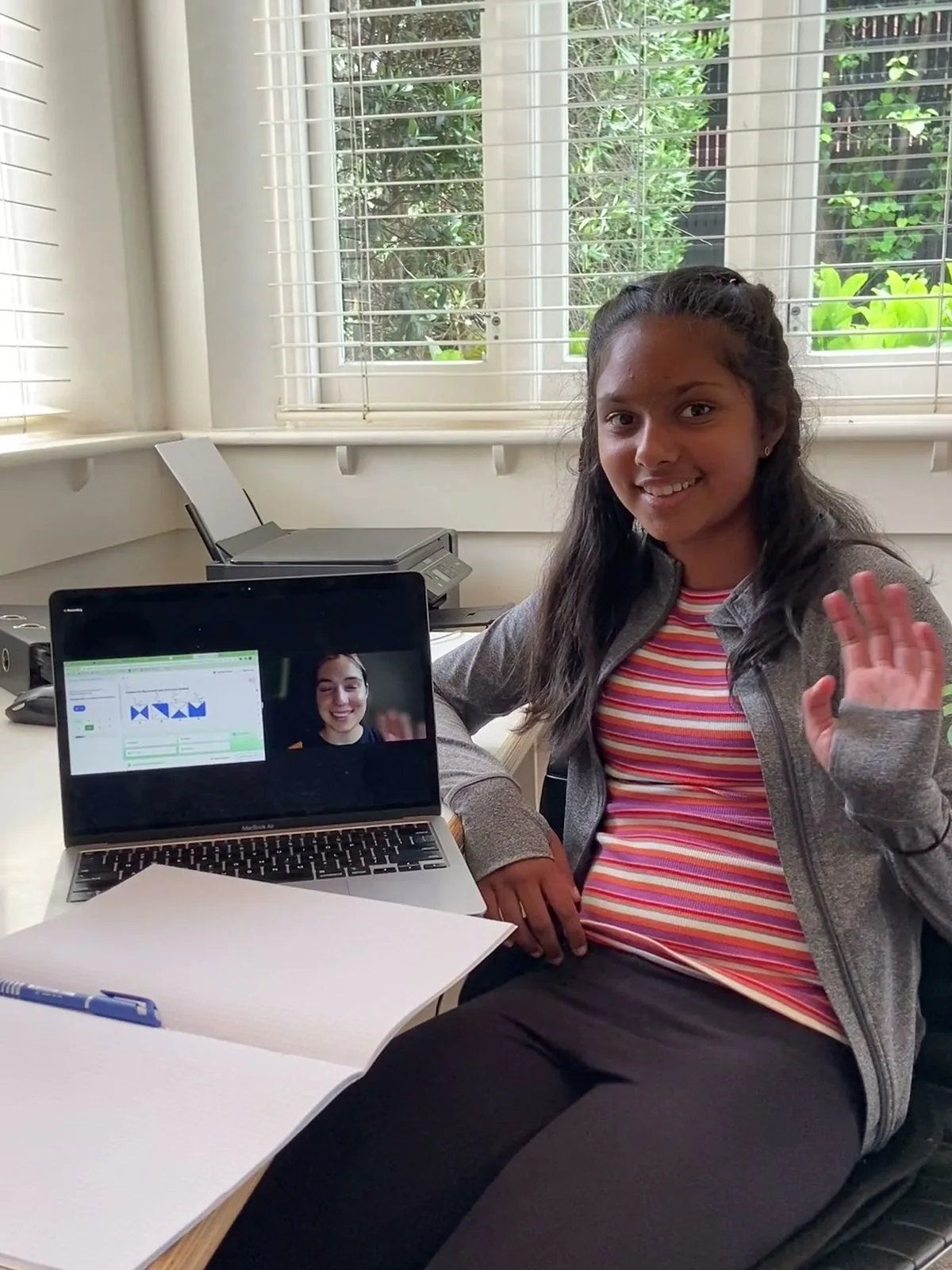
Tutoring is an approved expense on both, so families pay $0 out of pocket. Pick your scholarship:
Is there an income limit for Step Up For Students?
No. Florida's school choice scholarships became universal in 2023, which removed the income cap for the FES-EO and FTC programs. Any K-12 student who is a Florida resident can apply regardless of household income, and homeschooling families can apply for PEP on the same basis. What changed is not who may apply but the order in which applications are funded. Scholarships are awarded until the available funding and enrollment caps are reached, so a higher-income family applying late in the cycle is the most likely to miss out, while a lower-income family applying early is effectively guaranteed a place in the front of the line.
What are the 2026-27 income priority thresholds?
Step Up publishes the priority thresholds each year based on the federal poverty guidelines. For the 2026-27 school year:
| Household size | Priority 1 (≤185% FPL) | Priority 2 (186%-400% FPL) |
|---|---|---|
| 2 | up to $40,034 | up to $86,560 |
| 3 | up to $50,542 | up to $109,280 |
| 4 | up to $61,050 | up to $132,000 |
| 5 | up to $71,558 | up to $154,720 |
| 6 | up to $82,066 | up to $177,440 |
| Each extra member | add $10,508 | add $22,720 |
Figures come from Step Up's official 2026-27 Income Priority Guidelines chart, based on the federal poverty guidelines published in January 2026. Income above the Priority 2 line does not disqualify you; it simply places your application in the general pool.
How does funding priority actually work?
Applications are funded in order of priority group, not in pure first-come order, but timing still matters enormously inside each group. Priority 1 covers three categories: households at or below 185% of the federal poverty level, students renewing an existing scholarship, and children in foster or out-of-home care. Priority 2 covers households between 186% and 400%. Everyone else follows. Because renewing students sit in Priority 1 automatically, the system heavily rewards families who get in once and renew on time every year afterward. If you are new, the practical playbook is simple: apply as early in the window as possible, whatever your income. Our guide on when to apply for Step Up covers the exact dates and what happens after you submit.
Do the UA and PEP scholarships have income limits?
The Unique Abilities (UA) scholarship has no income requirement at any stage. Eligibility is based on a diagnosed learning, developmental or physical need, and it is the only Step Up scholarship that can begin as early as age 3. Family income plays no role in either eligibility or award size. PEP, the Personalized Education Program for families directing their own education, also has no income limit, but it has a capped number of enrollments each year, and the same income priority tiers decide who gets those seats first when demand exceeds the cap. Homeschooling families should treat the early application window as close to mandatory.
Step Up For Students
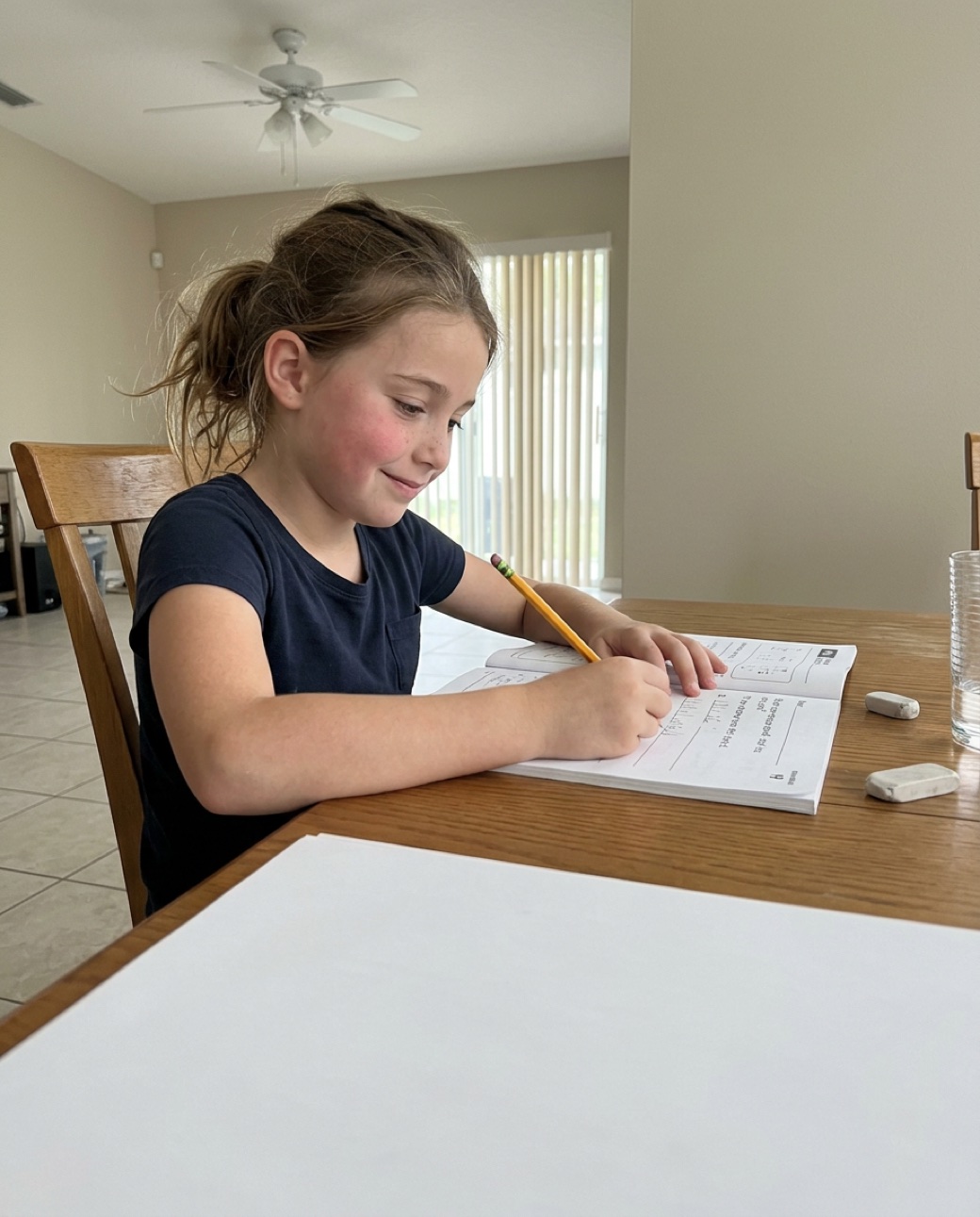
Use your scholarship for 1-on-1 tutoring
- Certified Florida teachers
- The same teacher every week
- A plan built from your child’s schoolwork
 ★★★★★4.9 from 250 Google reviews
$0out of pocket on UA and PEP, paid through EMA
Do I need to prove my income when I apply?
Only if you are claiming priority. Families applying under Priority 1 or Priority 2 submit documentation such as a recent federal tax return, pay stubs or benefits statements as part of the application. If your income is above the Priority 2 line, or you simply choose not to claim priority, there is nothing income-related to document. Have your documents ready before the window opens: incomplete applications lose their place while you gather paperwork, which defeats the point of applying early.
Does my income affect how much the scholarship pays?
No. Award amounts are set by the state based on your child's grade level and county, not your household income. A Priority 1 family and a general-pool family with children in the same grade and county receive the same award. The average award is around $8,000 for FES-EO, FTC and PEP students, and around $10,000 for UA students, with exact figures varying by county and grade. Our breakdown of the Step Up payment schedule and award amounts covers what lands in your EMA account and when.
What can the scholarship pay for once I'm approved?
Scholarship funds sit in an education savings account inside the EMA and can be spent on approved education expenses: private school tuition for FES-EO and FTC families, and a wide menu including curriculum, materials and services for UA and PEP families. Tutoring is one of the highest-impact uses, and with Tutero the scholarship covers 1-on-1 lessons with a certified teacher at no out-of-pocket cost. For the full picture of eligible purchases, see what you can and can't buy with Step Up funds.
Related Step Up guides
- The complete Step Up For Students guide for Florida families
- When to apply for Step Up
- Step Up payment schedule and award amounts
- The 7 best Step Up tutoring providers, ranked
How this guide was written
Written by Tutero’s Florida team. Tutero is trusted by 575 Florida families. We check our guides against Step Up’s official purchasing guides and family handbooks for UA and PEP. Rules can change, so confirm the details in your EMA account before you buy.
Your next step
See how families use Step Up for tutoring
Certified Florida teachers, 1-on-1, paid through EMA with $0 out of pocket. Trusted by 575 Florida families.
Or keep reading: The 2026-27 payment schedule →
“With her teacher Lori, she’s focused. She never wants to miss a lesson.”
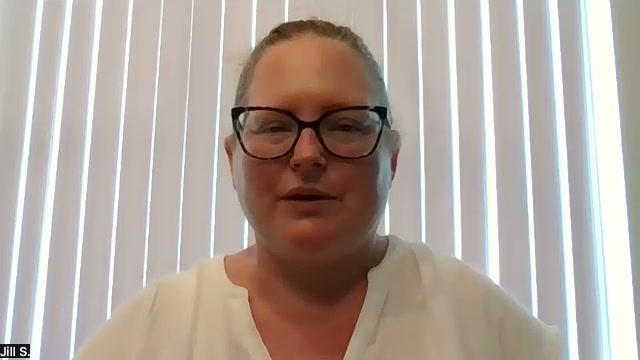 JillMom of Emma, 6th grade
The single most common misunderstanding about Step Up For Students is that families earn too much to qualify. Since Florida moved to universal eligibility, there is no income cap at all: any Florida resident with a school-age child can apply. What income actually determines is priority, meaning who gets funded first when applications outnumber dollars. In a year when more than 200,000 applications arrived in the first three days of the cycle, priority is the part worth understanding.
Quick answer
There is no income limit for Step Up For Students in 2026-27. Every Florida family can apply. Income sets your funding priority: households at or below 185% of the federal poverty level (about $61,050 for a family of four) are funded first, alongside renewing students and children in foster or out-of-home care. Households up to 400% (about $132,000 for a family of four) come next, then everyone else. The Unique Abilities (UA) scholarship has no income requirement at any stage: eligibility is based on the child's diagnosis, not the family's earnings.
UA and PEP have no income limit
Tutoring is an approved expense on both, so families pay $0 out of pocket. Pick your scholarship:
Is there an income limit for Step Up For Students?
No. Florida's school choice scholarships became universal in 2023, which removed the income cap for the FES-EO and FTC programs. Any K-12 student who is a Florida resident can apply regardless of household income, and homeschooling families can apply for PEP on the same basis. What changed is not who may apply but the order in which applications are funded. Scholarships are awarded until the available funding and enrollment caps are reached, so a higher-income family applying late in the cycle is the most likely to miss out, while a lower-income family applying early is effectively guaranteed a place in the front of the line.
What are the 2026-27 income priority thresholds?
Step Up publishes the priority thresholds each year based on the federal poverty guidelines. For the 2026-27 school year:
| Household size | Priority 1 (≤185% FPL) | Priority 2 (186%-400% FPL) |
|---|---|---|
| 2 | up to $40,034 | up to $86,560 |
| 3 | up to $50,542 | up to $109,280 |
| 4 | up to $61,050 | up to $132,000 |
| 5 | up to $71,558 | up to $154,720 |
| 6 | up to $82,066 | up to $177,440 |
| Each extra member | add $10,508 | add $22,720 |
Figures come from Step Up's official 2026-27 Income Priority Guidelines chart, based on the federal poverty guidelines published in January 2026. Income above the Priority 2 line does not disqualify you; it simply places your application in the general pool.
How does funding priority actually work?
Applications are funded in order of priority group, not in pure first-come order, but timing still matters enormously inside each group. Priority 1 covers three categories: households at or below 185% of the federal poverty level, students renewing an existing scholarship, and children in foster or out-of-home care. Priority 2 covers households between 186% and 400%. Everyone else follows. Because renewing students sit in Priority 1 automatically, the system heavily rewards families who get in once and renew on time every year afterward. If you are new, the practical playbook is simple: apply as early in the window as possible, whatever your income. Our guide on when to apply for Step Up covers the exact dates and what happens after you submit.
Do the UA and PEP scholarships have income limits?
The Unique Abilities (UA) scholarship has no income requirement at any stage. Eligibility is based on a diagnosed learning, developmental or physical need, and it is the only Step Up scholarship that can begin as early as age 3. Family income plays no role in either eligibility or award size. PEP, the Personalized Education Program for families directing their own education, also has no income limit, but it has a capped number of enrollments each year, and the same income priority tiers decide who gets those seats first when demand exceeds the cap. Homeschooling families should treat the early application window as close to mandatory.
Step Up For Students
Use your scholarship for 1-on-1 tutoring
- Certified Florida teachers
- The same teacher every week
- A plan built from your child’s schoolwork
★★★★★4.9 from 250 Google reviews$0out of pocket on UA and PEP, paid through EMA
Do I need to prove my income when I apply?
Only if you are claiming priority. Families applying under Priority 1 or Priority 2 submit documentation such as a recent federal tax return, pay stubs or benefits statements as part of the application. If your income is above the Priority 2 line, or you simply choose not to claim priority, there is nothing income-related to document. Have your documents ready before the window opens: incomplete applications lose their place while you gather paperwork, which defeats the point of applying early.
Does my income affect how much the scholarship pays?
No. Award amounts are set by the state based on your child's grade level and county, not your household income. A Priority 1 family and a general-pool family with children in the same grade and county receive the same award. The average award is around $8,000 for FES-EO, FTC and PEP students, and around $10,000 for UA students, with exact figures varying by county and grade. Our breakdown of the Step Up payment schedule and award amounts covers what lands in your EMA account and when.
What can the scholarship pay for once I'm approved?
Scholarship funds sit in an education savings account inside the EMA and can be spent on approved education expenses: private school tuition for FES-EO and FTC families, and a wide menu including curriculum, materials and services for UA and PEP families. Tutoring is one of the highest-impact uses, and with Tutero the scholarship covers 1-on-1 lessons with a certified teacher at no out-of-pocket cost. For the full picture of eligible purchases, see what you can and can't buy with Step Up funds.
Related Step Up guides
- The complete Step Up For Students guide for Florida families
- When to apply for Step Up
- Step Up payment schedule and award amounts
- The 7 best Step Up tutoring providers, ranked
How this guide was written
Written by Tutero’s Florida team. Tutero is trusted by 575 Florida families. We check our guides against Step Up’s official purchasing guides and family handbooks for UA and PEP. Rules can change, so confirm the details in your EMA account before you buy.
Your next step
See how families use Step Up for tutoring
Certified Florida teachers, 1-on-1, paid through EMA with $0 out of pocket. Trusted by 575 Florida families.
Or keep reading: The 2026-27 payment schedule →
“With her teacher Lori, she’s focused. She never wants to miss a lesson.”
JillMom of Emma, 6th grade

The single most common misunderstanding about Step Up For Students is that families earn too much to qualify. Since Florida moved to universal eligibility, there is no income cap at all: any Florida resident with a school-age child can apply. What income actually determines is priority, meaning who gets funded first when applications outnumber dollars. In a year when more than 200,000 applications arrived in the first three days of the cycle, priority is the part worth understanding.
Quick answer
There is no income limit for Step Up For Students in 2026-27. Every Florida family can apply. Income sets your funding priority: households at or below 185% of the federal poverty level (about $61,050 for a family of four) are funded first, alongside renewing students and children in foster or out-of-home care. Households up to 400% (about $132,000 for a family of four) come next, then everyone else. The Unique Abilities (UA) scholarship has no income requirement at any stage: eligibility is based on the child's diagnosis, not the family's earnings.
UA and PEP have no income limit
Tutoring is an approved expense on both, so families pay $0 out of pocket. Pick your scholarship:
Is there an income limit for Step Up For Students?
No. Florida's school choice scholarships became universal in 2023, which removed the income cap for the FES-EO and FTC programs. Any K-12 student who is a Florida resident can apply regardless of household income, and homeschooling families can apply for PEP on the same basis. What changed is not who may apply but the order in which applications are funded. Scholarships are awarded until the available funding and enrollment caps are reached, so a higher-income family applying late in the cycle is the most likely to miss out, while a lower-income family applying early is effectively guaranteed a place in the front of the line.
What are the 2026-27 income priority thresholds?
Step Up publishes the priority thresholds each year based on the federal poverty guidelines. For the 2026-27 school year:
| Household size | Priority 1 (≤185% FPL) | Priority 2 (186%-400% FPL) |
|---|---|---|
| 2 | up to $40,034 | up to $86,560 |
| 3 | up to $50,542 | up to $109,280 |
| 4 | up to $61,050 | up to $132,000 |
| 5 | up to $71,558 | up to $154,720 |
| 6 | up to $82,066 | up to $177,440 |
| Each extra member | add $10,508 | add $22,720 |
Figures come from Step Up's official 2026-27 Income Priority Guidelines chart, based on the federal poverty guidelines published in January 2026. Income above the Priority 2 line does not disqualify you; it simply places your application in the general pool.
How does funding priority actually work?
Applications are funded in order of priority group, not in pure first-come order, but timing still matters enormously inside each group. Priority 1 covers three categories: households at or below 185% of the federal poverty level, students renewing an existing scholarship, and children in foster or out-of-home care. Priority 2 covers households between 186% and 400%. Everyone else follows. Because renewing students sit in Priority 1 automatically, the system heavily rewards families who get in once and renew on time every year afterward. If you are new, the practical playbook is simple: apply as early in the window as possible, whatever your income. Our guide on when to apply for Step Up covers the exact dates and what happens after you submit.
Do the UA and PEP scholarships have income limits?
The Unique Abilities (UA) scholarship has no income requirement at any stage. Eligibility is based on a diagnosed learning, developmental or physical need, and it is the only Step Up scholarship that can begin as early as age 3. Family income plays no role in either eligibility or award size. PEP, the Personalized Education Program for families directing their own education, also has no income limit, but it has a capped number of enrollments each year, and the same income priority tiers decide who gets those seats first when demand exceeds the cap. Homeschooling families should treat the early application window as close to mandatory.
Step Up For Students
Use your scholarship for 1-on-1 tutoring
- Certified Florida teachers
- The same teacher every week
- A plan built from your child’s schoolwork
★★★★★4.9 from 250 Google reviews$0out of pocket on UA and PEP, paid through EMA
Do I need to prove my income when I apply?
Only if you are claiming priority. Families applying under Priority 1 or Priority 2 submit documentation such as a recent federal tax return, pay stubs or benefits statements as part of the application. If your income is above the Priority 2 line, or you simply choose not to claim priority, there is nothing income-related to document. Have your documents ready before the window opens: incomplete applications lose their place while you gather paperwork, which defeats the point of applying early.
Does my income affect how much the scholarship pays?
No. Award amounts are set by the state based on your child's grade level and county, not your household income. A Priority 1 family and a general-pool family with children in the same grade and county receive the same award. The average award is around $8,000 for FES-EO, FTC and PEP students, and around $10,000 for UA students, with exact figures varying by county and grade. Our breakdown of the Step Up payment schedule and award amounts covers what lands in your EMA account and when.
What can the scholarship pay for once I'm approved?
Scholarship funds sit in an education savings account inside the EMA and can be spent on approved education expenses: private school tuition for FES-EO and FTC families, and a wide menu including curriculum, materials and services for UA and PEP families. Tutoring is one of the highest-impact uses, and with Tutero the scholarship covers 1-on-1 lessons with a certified teacher at no out-of-pocket cost. For the full picture of eligible purchases, see what you can and can't buy with Step Up funds.
Related Step Up guides
- The complete Step Up For Students guide for Florida families
- When to apply for Step Up
- Step Up payment schedule and award amounts
- The 7 best Step Up tutoring providers, ranked
How this guide was written
Written by Tutero’s Florida team. Tutero is trusted by 575 Florida families. We check our guides against Step Up’s official purchasing guides and family handbooks for UA and PEP. Rules can change, so confirm the details in your EMA account before you buy.
Your next step
See how families use Step Up for tutoring
Certified Florida teachers, 1-on-1, paid through EMA with $0 out of pocket. Trusted by 575 Florida families.
Or keep reading: The 2026-27 payment schedule →
“With her teacher Lori, she’s focused. She never wants to miss a lesson.”
JillMom of Emma, 6th grade
.svg)
.svg)
Yes. Since Florida moved to universal eligibility there is no income cap on FES-EO, FTC or PEP applications. Higher-income families are funded after the priority groups, so the only real cost of a high income is queue position. Applying early in the window is the way to offset it.
Household income as documented by your recent federal tax return, pay stubs or benefits statements for everyone in the household. The thresholds scale with household size, so a family of six at $80,000 sits inside Priority 1 while a family of two at the same income does not.
No. The Unique Abilities scholarship is based entirely on the child's diagnosed learning, developmental or physical need. There is no income test for eligibility, no income priority, and income has no effect on the award amount.
No income limit, but PEP has a capped number of enrollments each year and the income priority tiers decide who gets seats first when demand exceeds the cap. Homeschooling families should apply as early as possible regardless of income.
Renewing students automatically sit in the first priority group, which is one of the biggest advantages of getting into the program. You still complete the renewal application on time each year, but priority no longer depends on your income tier.
No. Priority affects when your application is funded, not how much you receive. Award amounts are set by grade level and county, so two students in the same grade and county receive the same award whatever their family income.
Hoping to improve confidence & grades?

Step Up For Students
1:1 Tutoring with Step Up For Students
.png)