.svg)

Step Up applications are first-come, heavily subscribed, and unforgiving of missed dates: more than 200,000 applications arrived in the first three days of the 2026-27 cycle. Whether you're applying fresh or renewing, the timeline below is the difference between funded-in-August and waiting a quarter. This guide covers the full calendar, the priority rules, the documents that stall applications, and what to do in the weeks while you wait.
Quick answer
Applications for each school year open February 1. Renewals are due by April 30 to avoid a summer funding gap. Newly approved 2026-27 students receive their first funds September 1, 2026. Apply as close to the February 1 opening as possible: priority programs fill fast, and early applicants clear verification in time for the August renewal funding wave.
Tutoring is covered on UA and PEP
Families pay $0 out of pocket. Pick your scholarship:
What does the full 2026-27 timeline look like?
| Date | What happens | What you should do |
|---|---|---|
| Feb 1 | Applications open; 200,000+ arrive within 72 hours | Apply this week if you can. Documents ready beforehand. |
| Feb-May | Verification queue processes; early applicants clear in weeks | Respond to any document queries same-day. Watch email + EMA messages. |
| Apr 30 | Renewal deadline for existing scholarship families | Renew in early April. It takes minutes with current documents. |
| May-Jul | Award letters issue; EMA accounts activate | Set up your EMA account, browse providers, plan the fall schedule. |
| Aug 1 | Q1 funds release for renewal students | Approve provider invoices; lessons start. |
| Sep 1 | Q1 funds release for newly approved students | Same, one month later. Schedule can be pre-planned in August. |

When do Step Up applications open for 2026-27?
The window opened February 1, 2026, and the volume tells you everything about urgency: over 200,000 applications in the first 72 hours. FES-EO and FTC award priority to families below 400% of the federal poverty level, which is about $124,800 for a family of four in 2026, with applications processed broadly in order within priority tiers. So February beats May in practice, even where eligibility is universal. UA and PEP applications also process faster early in the cycle, before the verification queue builds through spring.
When is the renewal deadline?
April 30, every year. Miss it and your child's funding lapses into the new school year. The gap usually costs families the August 1 funding wave, pushing their first-quarter money back toward the September new-student date or later, and disrupting fall tutoring and curriculum plans. Renewal is not automatic: log in, confirm your details, and submit before the deadline. Set the reminder for early April. The renewal itself takes minutes when your documents are current, and one date on a calendar protects a full quarter of funding.
How long does Step Up approval take?
It varies with queue depth and document quality. Early-cycle applications with clean documentation typically clear within a few weeks. Peak-season applications, late spring through summer, can take considerably longer. Three patterns cause most of the delay:
- Income documents that don't match household details. Names, addresses, and household size must reconcile across documents for income-priority programs.
- Missing or outdated diagnosis paperwork for UA applicants. The diagnosis must come from a qualified healthcare professional, and the documentation also feeds the matrix of services determination that sets the award size, up to roughly $34,000 at level 255. Incomplete evaluations cost both time and money.
- Enrollment conflicts for PEP. Charter, magnet, and Florida Virtual School count as public school enrollment. A student enrolled in any of them full-time is not PEP-eligible, and unclear enrollment status stalls verification.
Approved students join the next quarterly funding wave. For 2026-27 that meant newly approved students received first funds September 1, 2026, with later approvals joining the November 1, February 1, or April 1 distributions, prorated per program rules. The full calendar of releases and amounts is in the payment schedule guide.
Which scholarship should you apply for?
Apply for the one that matches your situation. A child can hold only one at a time, and switching typically happens at the school-year boundary, planned for July or August so the new scholarship is active by September.
| Your situation | Apply for | Why |
|---|---|---|
| Child has a documented diagnosis (autism, ADHD, dyslexia, and many more) | UA (Unique Abilities) | Largest awards ($10,000 to $34,000 by matrix level), eligibility from age 3, full ESA flexibility, no income test. |
| Homeschooling, or planning to | PEP | About $8,000 of parent-directed ESA for tutoring, curriculum, and materials. Not open to full-time charter, magnet, or FLVS students. |
| Choosing private school | FES-EO or FTC | Tuition-focused awards of $7,500-$8,500. These two do not fund tutoring. |
If your child qualifies for both UA and PEP, UA is almost always the stronger application: bigger award, broader coverage, and it can still fund homeschool-style tutoring and materials. Our complete Step Up guide walks through all four programs in detail.
Step Up For Students
Use your scholarship for 1-on-1 tutoring
- Certified Florida teachers
- The same teacher every week
- A plan built from your child’s schoolwork
 ★★★★★4.9 from 250 Google reviews
$0out of pocket on UA and PEP, paid through EMA
What should you have ready before applying?
| Document | Needed for | Common stall |
|---|---|---|
| Florida residency proof | All programs | Expired documents; address not matching the application |
| Child's birth certificate or ID | All programs | Name spelling differing from the application. Exact match matters |
| Household income documents | FES-EO / FTC priority tiers | Household size not reconciling across documents |
| Diagnosis documentation | UA | Older evaluations; missing qualified-professional details; incomplete matrix inputs |
Submit legible scans rather than phone photos, and keep every document in one folder so you can answer verification queries the same day they arrive. Query response time is one of the few parts of the timeline you fully control.
What should you do while you wait for approval?
The waiting weeks are planning weeks. Set up familiarity with the EMA (our provider guide shows exactly what you'll see inside), shortlist providers for the services you'll fund, and for tutoring, have the conversation with providers early: with Tutero, an education specialist can plan your child's schedule before approval lands, so the first invoice goes into EMA the week your funds do. Families who use the waiting period this way start lessons four to six weeks before families who begin planning at deposit day.
Bottom line
February 1 to apply, April 30 to renew, September 1 for a new student's first funds. Put the first two in your calendar, prepare documents before the window opens, answer queries same-day, and use the approval wait to plan. Planning tutoring for the fall? Tell us about your child in 60 seconds and an education specialist will line up a certified teacher so lessons start the week your funding lands.
How this guide was written
Written by Tutero’s Florida team. Tutero is trusted by 575 Florida families. We check our guides against Step Up’s official purchasing guides and family handbooks for UA and PEP. Rules can change, so confirm the details in your EMA account before you buy.
Related guides: Step Up income limits and eligibility (2026-27), Step Up payment schedule and award amounts (2026-27) and 5 things parents wish they knew on day one.
Your next step
See how families use Step Up for tutoring
Certified Florida teachers, 1-on-1, paid through EMA with $0 out of pocket. Trusted by 575 Florida families.
Or keep reading: Income limits and who qualifies →
“With her teacher Lori, she’s focused. She never wants to miss a lesson.”
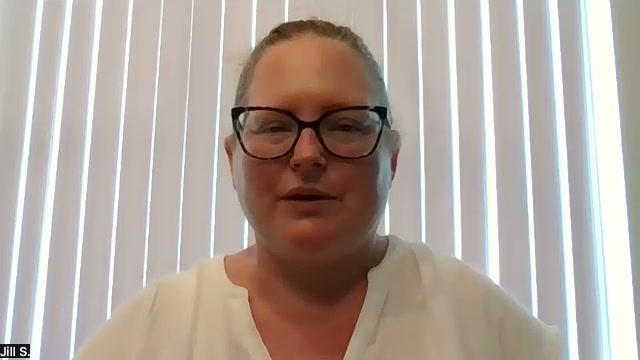 JillMom of Emma, 6th grade
Step Up applications are first-come, heavily subscribed, and unforgiving of missed dates: more than 200,000 applications arrived in the first three days of the 2026-27 cycle. Whether you're applying fresh or renewing, the timeline below is the difference between funded-in-August and waiting a quarter. This guide covers the full calendar, the priority rules, the documents that stall applications, and what to do in the weeks while you wait.
Quick answer
Applications for each school year open February 1. Renewals are due by April 30 to avoid a summer funding gap. Newly approved 2026-27 students receive their first funds September 1, 2026. Apply as close to the February 1 opening as possible: priority programs fill fast, and early applicants clear verification in time for the August renewal funding wave.
Tutoring is covered on UA and PEP
Families pay $0 out of pocket. Pick your scholarship:
What does the full 2026-27 timeline look like?
| Date | What happens | What you should do |
|---|---|---|
| Feb 1 | Applications open; 200,000+ arrive within 72 hours | Apply this week if you can. Documents ready beforehand. |
| Feb-May | Verification queue processes; early applicants clear in weeks | Respond to any document queries same-day. Watch email + EMA messages. |
| Apr 30 | Renewal deadline for existing scholarship families | Renew in early April. It takes minutes with current documents. |
| May-Jul | Award letters issue; EMA accounts activate | Set up your EMA account, browse providers, plan the fall schedule. |
| Aug 1 | Q1 funds release for renewal students | Approve provider invoices; lessons start. |
| Sep 1 | Q1 funds release for newly approved students | Same, one month later. Schedule can be pre-planned in August. |
When do Step Up applications open for 2026-27?
The window opened February 1, 2026, and the volume tells you everything about urgency: over 200,000 applications in the first 72 hours. FES-EO and FTC award priority to families below 400% of the federal poverty level, which is about $124,800 for a family of four in 2026, with applications processed broadly in order within priority tiers. So February beats May in practice, even where eligibility is universal. UA and PEP applications also process faster early in the cycle, before the verification queue builds through spring.
When is the renewal deadline?
April 30, every year. Miss it and your child's funding lapses into the new school year. The gap usually costs families the August 1 funding wave, pushing their first-quarter money back toward the September new-student date or later, and disrupting fall tutoring and curriculum plans. Renewal is not automatic: log in, confirm your details, and submit before the deadline. Set the reminder for early April. The renewal itself takes minutes when your documents are current, and one date on a calendar protects a full quarter of funding.
How long does Step Up approval take?
It varies with queue depth and document quality. Early-cycle applications with clean documentation typically clear within a few weeks. Peak-season applications, late spring through summer, can take considerably longer. Three patterns cause most of the delay:
- Income documents that don't match household details. Names, addresses, and household size must reconcile across documents for income-priority programs.
- Missing or outdated diagnosis paperwork for UA applicants. The diagnosis must come from a qualified healthcare professional, and the documentation also feeds the matrix of services determination that sets the award size, up to roughly $34,000 at level 255. Incomplete evaluations cost both time and money.
- Enrollment conflicts for PEP. Charter, magnet, and Florida Virtual School count as public school enrollment. A student enrolled in any of them full-time is not PEP-eligible, and unclear enrollment status stalls verification.
Approved students join the next quarterly funding wave. For 2026-27 that meant newly approved students received first funds September 1, 2026, with later approvals joining the November 1, February 1, or April 1 distributions, prorated per program rules. The full calendar of releases and amounts is in the payment schedule guide.
Which scholarship should you apply for?
Apply for the one that matches your situation. A child can hold only one at a time, and switching typically happens at the school-year boundary, planned for July or August so the new scholarship is active by September.
| Your situation | Apply for | Why |
|---|---|---|
| Child has a documented diagnosis (autism, ADHD, dyslexia, and many more) | UA (Unique Abilities) | Largest awards ($10,000 to $34,000 by matrix level), eligibility from age 3, full ESA flexibility, no income test. |
| Homeschooling, or planning to | PEP | About $8,000 of parent-directed ESA for tutoring, curriculum, and materials. Not open to full-time charter, magnet, or FLVS students. |
| Choosing private school | FES-EO or FTC | Tuition-focused awards of $7,500-$8,500. These two do not fund tutoring. |
If your child qualifies for both UA and PEP, UA is almost always the stronger application: bigger award, broader coverage, and it can still fund homeschool-style tutoring and materials. Our complete Step Up guide walks through all four programs in detail.
Step Up For Students
Use your scholarship for 1-on-1 tutoring
- Certified Florida teachers
- The same teacher every week
- A plan built from your child’s schoolwork
★★★★★4.9 from 250 Google reviews$0out of pocket on UA and PEP, paid through EMA
What should you have ready before applying?
| Document | Needed for | Common stall |
|---|---|---|
| Florida residency proof | All programs | Expired documents; address not matching the application |
| Child's birth certificate or ID | All programs | Name spelling differing from the application. Exact match matters |
| Household income documents | FES-EO / FTC priority tiers | Household size not reconciling across documents |
| Diagnosis documentation | UA | Older evaluations; missing qualified-professional details; incomplete matrix inputs |
Submit legible scans rather than phone photos, and keep every document in one folder so you can answer verification queries the same day they arrive. Query response time is one of the few parts of the timeline you fully control.
What should you do while you wait for approval?
The waiting weeks are planning weeks. Set up familiarity with the EMA (our provider guide shows exactly what you'll see inside), shortlist providers for the services you'll fund, and for tutoring, have the conversation with providers early: with Tutero, an education specialist can plan your child's schedule before approval lands, so the first invoice goes into EMA the week your funds do. Families who use the waiting period this way start lessons four to six weeks before families who begin planning at deposit day.
Bottom line
February 1 to apply, April 30 to renew, September 1 for a new student's first funds. Put the first two in your calendar, prepare documents before the window opens, answer queries same-day, and use the approval wait to plan. Planning tutoring for the fall? Tell us about your child in 60 seconds and an education specialist will line up a certified teacher so lessons start the week your funding lands.
How this guide was written
Written by Tutero’s Florida team. Tutero is trusted by 575 Florida families. We check our guides against Step Up’s official purchasing guides and family handbooks for UA and PEP. Rules can change, so confirm the details in your EMA account before you buy.
Related guides: Step Up income limits and eligibility (2026-27), Step Up payment schedule and award amounts (2026-27) and 5 things parents wish they knew on day one.
Your next step
See how families use Step Up for tutoring
Certified Florida teachers, 1-on-1, paid through EMA with $0 out of pocket. Trusted by 575 Florida families.
Or keep reading: Income limits and who qualifies →
“With her teacher Lori, she’s focused. She never wants to miss a lesson.”
JillMom of Emma, 6th grade

Step Up applications are first-come, heavily subscribed, and unforgiving of missed dates: more than 200,000 applications arrived in the first three days of the 2026-27 cycle. Whether you're applying fresh or renewing, the timeline below is the difference between funded-in-August and waiting a quarter. This guide covers the full calendar, the priority rules, the documents that stall applications, and what to do in the weeks while you wait.
Quick answer
Applications for each school year open February 1. Renewals are due by April 30 to avoid a summer funding gap. Newly approved 2026-27 students receive their first funds September 1, 2026. Apply as close to the February 1 opening as possible: priority programs fill fast, and early applicants clear verification in time for the August renewal funding wave.
Tutoring is covered on UA and PEP
Families pay $0 out of pocket. Pick your scholarship:
What does the full 2026-27 timeline look like?
| Date | What happens | What you should do |
|---|---|---|
| Feb 1 | Applications open; 200,000+ arrive within 72 hours | Apply this week if you can. Documents ready beforehand. |
| Feb-May | Verification queue processes; early applicants clear in weeks | Respond to any document queries same-day. Watch email + EMA messages. |
| Apr 30 | Renewal deadline for existing scholarship families | Renew in early April. It takes minutes with current documents. |
| May-Jul | Award letters issue; EMA accounts activate | Set up your EMA account, browse providers, plan the fall schedule. |
| Aug 1 | Q1 funds release for renewal students | Approve provider invoices; lessons start. |
| Sep 1 | Q1 funds release for newly approved students | Same, one month later. Schedule can be pre-planned in August. |
When do Step Up applications open for 2026-27?
The window opened February 1, 2026, and the volume tells you everything about urgency: over 200,000 applications in the first 72 hours. FES-EO and FTC award priority to families below 400% of the federal poverty level, which is about $124,800 for a family of four in 2026, with applications processed broadly in order within priority tiers. So February beats May in practice, even where eligibility is universal. UA and PEP applications also process faster early in the cycle, before the verification queue builds through spring.
When is the renewal deadline?
April 30, every year. Miss it and your child's funding lapses into the new school year. The gap usually costs families the August 1 funding wave, pushing their first-quarter money back toward the September new-student date or later, and disrupting fall tutoring and curriculum plans. Renewal is not automatic: log in, confirm your details, and submit before the deadline. Set the reminder for early April. The renewal itself takes minutes when your documents are current, and one date on a calendar protects a full quarter of funding.
How long does Step Up approval take?
It varies with queue depth and document quality. Early-cycle applications with clean documentation typically clear within a few weeks. Peak-season applications, late spring through summer, can take considerably longer. Three patterns cause most of the delay:
- Income documents that don't match household details. Names, addresses, and household size must reconcile across documents for income-priority programs.
- Missing or outdated diagnosis paperwork for UA applicants. The diagnosis must come from a qualified healthcare professional, and the documentation also feeds the matrix of services determination that sets the award size, up to roughly $34,000 at level 255. Incomplete evaluations cost both time and money.
- Enrollment conflicts for PEP. Charter, magnet, and Florida Virtual School count as public school enrollment. A student enrolled in any of them full-time is not PEP-eligible, and unclear enrollment status stalls verification.
Approved students join the next quarterly funding wave. For 2026-27 that meant newly approved students received first funds September 1, 2026, with later approvals joining the November 1, February 1, or April 1 distributions, prorated per program rules. The full calendar of releases and amounts is in the payment schedule guide.
Which scholarship should you apply for?
Apply for the one that matches your situation. A child can hold only one at a time, and switching typically happens at the school-year boundary, planned for July or August so the new scholarship is active by September.
| Your situation | Apply for | Why |
|---|---|---|
| Child has a documented diagnosis (autism, ADHD, dyslexia, and many more) | UA (Unique Abilities) | Largest awards ($10,000 to $34,000 by matrix level), eligibility from age 3, full ESA flexibility, no income test. |
| Homeschooling, or planning to | PEP | About $8,000 of parent-directed ESA for tutoring, curriculum, and materials. Not open to full-time charter, magnet, or FLVS students. |
| Choosing private school | FES-EO or FTC | Tuition-focused awards of $7,500-$8,500. These two do not fund tutoring. |
If your child qualifies for both UA and PEP, UA is almost always the stronger application: bigger award, broader coverage, and it can still fund homeschool-style tutoring and materials. Our complete Step Up guide walks through all four programs in detail.
Step Up For Students
Use your scholarship for 1-on-1 tutoring
- Certified Florida teachers
- The same teacher every week
- A plan built from your child’s schoolwork
★★★★★4.9 from 250 Google reviews$0out of pocket on UA and PEP, paid through EMA
What should you have ready before applying?
| Document | Needed for | Common stall |
|---|---|---|
| Florida residency proof | All programs | Expired documents; address not matching the application |
| Child's birth certificate or ID | All programs | Name spelling differing from the application. Exact match matters |
| Household income documents | FES-EO / FTC priority tiers | Household size not reconciling across documents |
| Diagnosis documentation | UA | Older evaluations; missing qualified-professional details; incomplete matrix inputs |
Submit legible scans rather than phone photos, and keep every document in one folder so you can answer verification queries the same day they arrive. Query response time is one of the few parts of the timeline you fully control.
What should you do while you wait for approval?
The waiting weeks are planning weeks. Set up familiarity with the EMA (our provider guide shows exactly what you'll see inside), shortlist providers for the services you'll fund, and for tutoring, have the conversation with providers early: with Tutero, an education specialist can plan your child's schedule before approval lands, so the first invoice goes into EMA the week your funds do. Families who use the waiting period this way start lessons four to six weeks before families who begin planning at deposit day.
Bottom line
February 1 to apply, April 30 to renew, September 1 for a new student's first funds. Put the first two in your calendar, prepare documents before the window opens, answer queries same-day, and use the approval wait to plan. Planning tutoring for the fall? Tell us about your child in 60 seconds and an education specialist will line up a certified teacher so lessons start the week your funding lands.
How this guide was written
Written by Tutero’s Florida team. Tutero is trusted by 575 Florida families. We check our guides against Step Up’s official purchasing guides and family handbooks for UA and PEP. Rules can change, so confirm the details in your EMA account before you buy.
Related guides: Step Up income limits and eligibility (2026-27), Step Up payment schedule and award amounts (2026-27) and 5 things parents wish they knew on day one.
Your next step
See how families use Step Up for tutoring
Certified Florida teachers, 1-on-1, paid through EMA with $0 out of pocket. Trusted by 575 Florida families.
Or keep reading: Income limits and who qualifies →
“With her teacher Lori, she’s focused. She never wants to miss a lesson.”
JillMom of Emma, 6th grade
.svg)
.svg)
The 2026-27 application window opened February 1, 2026. Applications are accepted after that on a rolling basis, but early applications clear verification faster and, for income-priority programs, stand at the front of the funding queue. Over 200,000 applications arrived in the first three days of the cycle.
April 30 each year. Renewing by the deadline keeps your child in the August 1 renewal funding wave; missing it creates a summer funding gap that pushes your first-quarter money later into the fall. Renewal is not automatic: you must log in and submit it.
Early-cycle applications with clean documents typically clear in a few weeks; peak-season submissions can take significantly longer. The most common delays are document mismatches: income paperwork, diagnosis documentation for UA, or enrollment conflicts for PEP. Once approved, students join the next quarterly funding wave.
Yes: applications remain open during the year, and approved students join the next quarterly funding distribution (November 1, February 1, or April 1 for 2026-27). Your award is prorated to your approval timing per program rules, so applying earlier always captures more of the year's funding.
Match the program to your situation: UA for students with a documented diagnosis (largest awards, eligibility from age 3), PEP for homeschooling families, FES-EO or FTC for private school tuition. A child can hold only one scholarship at a time, and switching typically happens at the school-year boundary.
Florida residency proof, the child's birth certificate or ID, household income documentation for income-priority programs, and, for UA, diagnosis documentation from a qualified healthcare professional. Legible, name-matched copies clear verification fastest; mismatched documents are the most common stall.
Hoping to improve confidence & grades?

Step Up For Students
1:1 Tutoring with Step Up For Students
.png)