.svg)

Two numbers shape every Step Up family's year: when the money lands, and how much of it there is. Both are published for 2026-27. Below are the quarterly funding dates, the official award amounts by program, county and grade, and a simple way to plan a school year around them.
Quick answer
In 2026-27, Step Up For Students receives scholarship funds four times: August 1, 2026 for renewal students (September 1 for new students), then November 1, 2026, February 1, 2027 and April 1, 2027. Awards average about $10,000 for FES-UA and $8,000 for PEP and the Private School Scholarship. Exact amounts depend on county and grade, and on matrix level for FES-UA: $9,627 to $39,091 for FES-UA and $7,463 to $12,217 for FTC, FES-EO and PEP.
Tutoring is covered on UA and PEP, and on FTC and FES-EO when funds remain after private school tuition
Families pay $0 out of pocket. Pick your scholarship:
When do Step Up funds arrive in 2026-27?
Funds move from the Florida Department of Education (FLDOE) to Step Up For Students on a quarterly schedule. These are the 2026-27 dates:
| Quarter | Quarter dates | Step Up receives funds from the state by |
|---|---|---|
| Q1 | July 1 to September 30, 2026 | Renewal students: August 1, 2026 New students: September 1, 2026 |
| Q2 | October 1 to December 31, 2026 | All students: November 1, 2026 |
| Q3 | January 1 to March 31, 2027 | All students: February 1, 2027 |
| Q4 | April 1 to June 30, 2027 | All students: April 1, 2027 |
Source: Step Up For Students 2026-27 Scholarship Schedule.
The dates in the table are when Step Up receives the money, not when it shows in EMA. Step Up says it may take up to two weeks to fund student accounts once funds are received from the FLDOE. If a regularly scheduled deposit is delayed, supplemental funding may be provided at a later date. To be considered for funding, a student must meet all requirements and deadlines for their program. If your balance is still missing after that window, check EMA for an "Action Needed" message before contacting Step Up.

Why do new students get Q1 funds a month later?
Step Up treats a student as a renewal student only if they were funded for Quarter 4 of the same scholarship and their scholarship was not revoked in the prior school year. Renewal students receive Quarter 1 funding in the August payment. New students, and renewal students who missed a renewal deadline, are funded in September. So a new family's first quarter starts a month later, which matters if you are counting on scholarship funds for August tutoring or back-to-school curriculum.
Two options help. First, with a direct billing provider you can agree a schedule in August and approve the invoices in EMA once funds land, so nothing is paid out of pocket while you wait. Second, for services you pay for upfront, Step Up accepts reimbursement requests for services up to four months in advance, or up to one year if the provider attests the service is non-refundable. The booking steps are in our EMA marketplace guide.
How much is each Step Up scholarship worth in 2026-27?
The Florida Legislature sets scholarship amounts each year in the state budget. Step Up publishes the 2026-27 amounts by county of residence and grade band.
| Scholarship | Step Up average | 2026-27 range by county and grade | Can pay for tutoring? |
|---|---|---|---|
| FES-UA (Unique Abilities) | $10,000 | $9,627 to $14,381 (matrix levels 1-3 or a qualifying diagnosis); up to $25,701 at level 4 and $39,091 at level 5 | Yes |
| PEP | $8,000 | $7,463 to $12,217 | Yes |
| FTC and FES-EO (Private School Scholarship) | $8,000 | $7,463 to $12,217 | Yes, from funds left after private school tuition and fees |
Sources: Step Up For Students scholarship overview and 2026-27 award charts; FTC and FES-EO purchasing guide.
How much is FES-UA worth in 2026-27?
Step Up says the Family Empowerment Scholarship for Students with Unique Abilities (FES-UA) is worth an average of $10,000. The 2026-27 chart sets each student's amount by county, grade band and matrix level of services. Students with a matrix level 1, 2 or 3, or a qualifying diagnosis from an authorized licensed medical professional, are funded at the matrix 251-253 rate.
| FES-UA funding level | Grades | Lowest county | Highest county |
|---|---|---|---|
| Matrix 1-3 (251-253) or qualifying diagnosis | Ages 3-4 and K-3 | $10,402 (Volusia) | $14,381 (Monroe) |
| Matrix 1-3 (251-253) or qualifying diagnosis | 4-8 | $9,818 (Volusia) | $13,781 (Monroe) |
| Matrix 1-3 (251-253) or qualifying diagnosis | 9-12 | $9,627 (Volusia) | $13,585 (Monroe) |
| Matrix level 4 (254) | All | $21,379 (Volusia) | $25,701 (Monroe) |
| Matrix level 5 (255) | All | $34,429 (Volusia) | $39,091 (Monroe) |
Source: 2026-27 Scholarship Amounts, Unique Abilities Scholarship (FES-UA) by District.
Three rules decide which number applies to your child:
- Grade, county and matrix level. FES-UA funding is based on the student's grade level, county of residence and matrix level of services.
- Locked at first submission. The amount is set when the student is first submitted for funding in the school year; later grade or county changes do not change it.
- Matrix levels come from the school district. Step Up does not create or change matrix levels. Only your local school district can assign or revise them.
Students who received a Gardiner or McKay Scholarship in 2020-21 receive that year's amount or the newly calculated amount, whichever is greater. In EMA, the "current funds available" figure shows what is actually deposited each quarter. For tutoring with certified Florida teachers paid through FES-UA, see our Unique Abilities scholarship tutoring page, and for what the scholarship covers, the FES-UA scholarship guide.
2026-27 amounts in six large counties
| County | FES-UA, grades K-3 | FES-UA, grades 9-12 | FTC, FES-EO and PEP, grades K-3 |
|---|---|---|---|
| Miami-Dade | $10,909 | $10,106 | $8,745 |
| Broward | $10,658 | $9,865 | $8,494 |
| Palm Beach | $11,054 | $10,255 | $8,890 |
| Hillsborough | $10,593 | $9,808 | $8,429 |
| Orange | $10,584 | $9,803 | $8,420 |
| Duval | $10,573 | $9,793 | $8,409 |
Source: Step Up For Students 2026-27 award charts (district = the student's county of residence on the 2026-27 application).
Step Up For Students
Use your scholarship for 1-on-1 tutoring
- Certified Florida teachers
- The same teacher every week
- A plan built from your child’s schoolwork
 ★★★★★4.9 from 250 Google reviews
$0out of pocket on UA and PEP, paid through EMA
How do you budget an award across four quarters?
For PEP, Step Up divides the award into four equal quarterly amounts once eligibility is confirmed. On the $8,000 PEP average, that is about $2,000 a quarter. Spending for the 2026-27 year must happen between July 1, 2026 and June 30, 2027. Unspent funds can roll over to the next school year as long as the student stays eligible.
- Anchor first. Put recurring services, such as weekly tutoring through a direct billing provider, in the plan at the start of each quarter so they never compete with one-off purchases.
- Flex second. Curriculum and technology can wait for a quarter with room in the balance. Check each item against the Step Up purchasing rules before you buy.
- Watch the balance caps. To receive more funding, an account balance must be at or below $50,000 for FES-UA, or $24,000 for PEP and the Private School Scholarship, by each quarter's deadline.
- Keep the account active. If an account has no spending for two consecutive fiscal years, Step Up closes it and remaining funds must be returned.
What should families do when funds land?
Open EMA and check "current funds available", which shows the amount actually deposited that quarter. Then confirm any recurring lessons for the quarter, approve direct billing invoices as they arrive, and put the next funding date in your calendar. If you paid for something yourself, Step Up says reimbursement requests can take up to 60 days to review once all documents are in, and approved payments are issued within seven days. The Step Up reimbursement guide walks through that process.
What's the bottom line?
Mark four dates: August 1 (September 1 if your child is a new student), November 1, February 1 and April 1, then allow up to two weeks for funds to reach EMA. Check your child's amount in the 2026-27 chart for your county and grade, plan recurring lessons first, and fit one-off purchases around them. Want help turning your award into a weekly plan? Tell us about your child in 60 seconds and an account manager calls within 24 hours to set up 1-on-1 lessons with a certified Florida teacher. Program details are in our complete Step Up guide, the PEP rules are in the PEP scholarship guide, and application timing is in when to apply for 2026-27.
How this guide was written
Written by Tutero’s Florida team. Tutero is trusted by 575 Florida families. Every scholarship fact in this guide comes from Step Up’s official documents, including the purchasing guides and family handbooks for UA and PEP. Rules can change, so confirm the details in your EMA account before you buy.
Related guides: When to apply for Step Up (2026-27), Step Up income limits and eligibility (2026-27) and The best ways to spend Step Up funds.
Your next step
See how families use Step Up for tutoring
Certified Florida teachers, 1-on-1, paid through EMA with $0 out of pocket. Trusted by 575 Florida families.
Or keep reading: Best ways to spend your funds →
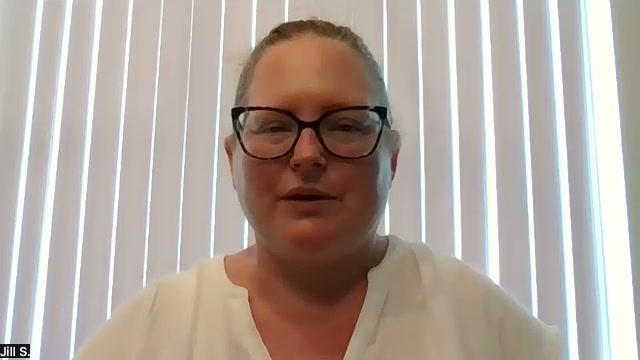
“With her teacher Lori, she’s focused. She never wants to miss a lesson.”
 JillMom of Emma, 6th grade
Two numbers shape every Step Up family's year: when the money lands, and how much of it there is. Both are published for 2026-27. Below are the quarterly funding dates, the official award amounts by program, county and grade, and a simple way to plan a school year around them.
Quick answer
In 2026-27, Step Up For Students receives scholarship funds four times: August 1, 2026 for renewal students (September 1 for new students), then November 1, 2026, February 1, 2027 and April 1, 2027. Awards average about $10,000 for FES-UA and $8,000 for PEP and the Private School Scholarship. Exact amounts depend on county and grade, and on matrix level for FES-UA: $9,627 to $39,091 for FES-UA and $7,463 to $12,217 for FTC, FES-EO and PEP.
Tutoring is covered on UA and PEP, and on FTC and FES-EO when funds remain after private school tuition
Families pay $0 out of pocket. Pick your scholarship:
When do Step Up funds arrive in 2026-27?
Funds move from the Florida Department of Education (FLDOE) to Step Up For Students on a quarterly schedule. These are the 2026-27 dates:
| Quarter | Quarter dates | Step Up receives funds from the state by |
|---|---|---|
| Q1 | July 1 to September 30, 2026 | Renewal students: August 1, 2026 New students: September 1, 2026 |
| Q2 | October 1 to December 31, 2026 | All students: November 1, 2026 |
| Q3 | January 1 to March 31, 2027 | All students: February 1, 2027 |
| Q4 | April 1 to June 30, 2027 | All students: April 1, 2027 |
Source: Step Up For Students 2026-27 Scholarship Schedule.
The dates in the table are when Step Up receives the money, not when it shows in EMA. Step Up says it may take up to two weeks to fund student accounts once funds are received from the FLDOE. If a regularly scheduled deposit is delayed, supplemental funding may be provided at a later date. To be considered for funding, a student must meet all requirements and deadlines for their program. If your balance is still missing after that window, check EMA for an "Action Needed" message before contacting Step Up.
Why do new students get Q1 funds a month later?
Step Up treats a student as a renewal student only if they were funded for Quarter 4 of the same scholarship and their scholarship was not revoked in the prior school year. Renewal students receive Quarter 1 funding in the August payment. New students, and renewal students who missed a renewal deadline, are funded in September. So a new family's first quarter starts a month later, which matters if you are counting on scholarship funds for August tutoring or back-to-school curriculum.
Two options help. First, with a direct billing provider you can agree a schedule in August and approve the invoices in EMA once funds land, so nothing is paid out of pocket while you wait. Second, for services you pay for upfront, Step Up accepts reimbursement requests for services up to four months in advance, or up to one year if the provider attests the service is non-refundable. The booking steps are in our EMA marketplace guide.
How much is each Step Up scholarship worth in 2026-27?
The Florida Legislature sets scholarship amounts each year in the state budget. Step Up publishes the 2026-27 amounts by county of residence and grade band.
| Scholarship | Step Up average | 2026-27 range by county and grade | Can pay for tutoring? |
|---|---|---|---|
| FES-UA (Unique Abilities) | $10,000 | $9,627 to $14,381 (matrix levels 1-3 or a qualifying diagnosis); up to $25,701 at level 4 and $39,091 at level 5 | Yes |
| PEP | $8,000 | $7,463 to $12,217 | Yes |
| FTC and FES-EO (Private School Scholarship) | $8,000 | $7,463 to $12,217 | Yes, from funds left after private school tuition and fees |
Sources: Step Up For Students scholarship overview and 2026-27 award charts; FTC and FES-EO purchasing guide.
How much is FES-UA worth in 2026-27?
Step Up says the Family Empowerment Scholarship for Students with Unique Abilities (FES-UA) is worth an average of $10,000. The 2026-27 chart sets each student's amount by county, grade band and matrix level of services. Students with a matrix level 1, 2 or 3, or a qualifying diagnosis from an authorized licensed medical professional, are funded at the matrix 251-253 rate.
| FES-UA funding level | Grades | Lowest county | Highest county |
|---|---|---|---|
| Matrix 1-3 (251-253) or qualifying diagnosis | Ages 3-4 and K-3 | $10,402 (Volusia) | $14,381 (Monroe) |
| Matrix 1-3 (251-253) or qualifying diagnosis | 4-8 | $9,818 (Volusia) | $13,781 (Monroe) |
| Matrix 1-3 (251-253) or qualifying diagnosis | 9-12 | $9,627 (Volusia) | $13,585 (Monroe) |
| Matrix level 4 (254) | All | $21,379 (Volusia) | $25,701 (Monroe) |
| Matrix level 5 (255) | All | $34,429 (Volusia) | $39,091 (Monroe) |
Source: 2026-27 Scholarship Amounts, Unique Abilities Scholarship (FES-UA) by District.
Three rules decide which number applies to your child:
- Grade, county and matrix level. FES-UA funding is based on the student's grade level, county of residence and matrix level of services.
- Locked at first submission. The amount is set when the student is first submitted for funding in the school year; later grade or county changes do not change it.
- Matrix levels come from the school district. Step Up does not create or change matrix levels. Only your local school district can assign or revise them.
Students who received a Gardiner or McKay Scholarship in 2020-21 receive that year's amount or the newly calculated amount, whichever is greater. In EMA, the "current funds available" figure shows what is actually deposited each quarter. For tutoring with certified Florida teachers paid through FES-UA, see our Unique Abilities scholarship tutoring page, and for what the scholarship covers, the FES-UA scholarship guide.
2026-27 amounts in six large counties
| County | FES-UA, grades K-3 | FES-UA, grades 9-12 | FTC, FES-EO and PEP, grades K-3 |
|---|---|---|---|
| Miami-Dade | $10,909 | $10,106 | $8,745 |
| Broward | $10,658 | $9,865 | $8,494 |
| Palm Beach | $11,054 | $10,255 | $8,890 |
| Hillsborough | $10,593 | $9,808 | $8,429 |
| Orange | $10,584 | $9,803 | $8,420 |
| Duval | $10,573 | $9,793 | $8,409 |
Source: Step Up For Students 2026-27 award charts (district = the student's county of residence on the 2026-27 application).
Step Up For Students
Use your scholarship for 1-on-1 tutoring
- Certified Florida teachers
- The same teacher every week
- A plan built from your child’s schoolwork
★★★★★4.9 from 250 Google reviews$0out of pocket on UA and PEP, paid through EMA
How do you budget an award across four quarters?
For PEP, Step Up divides the award into four equal quarterly amounts once eligibility is confirmed. On the $8,000 PEP average, that is about $2,000 a quarter. Spending for the 2026-27 year must happen between July 1, 2026 and June 30, 2027. Unspent funds can roll over to the next school year as long as the student stays eligible.
- Anchor first. Put recurring services, such as weekly tutoring through a direct billing provider, in the plan at the start of each quarter so they never compete with one-off purchases.
- Flex second. Curriculum and technology can wait for a quarter with room in the balance. Check each item against the Step Up purchasing rules before you buy.
- Watch the balance caps. To receive more funding, an account balance must be at or below $50,000 for FES-UA, or $24,000 for PEP and the Private School Scholarship, by each quarter's deadline.
- Keep the account active. If an account has no spending for two consecutive fiscal years, Step Up closes it and remaining funds must be returned.
What should families do when funds land?
Open EMA and check "current funds available", which shows the amount actually deposited that quarter. Then confirm any recurring lessons for the quarter, approve direct billing invoices as they arrive, and put the next funding date in your calendar. If you paid for something yourself, Step Up says reimbursement requests can take up to 60 days to review once all documents are in, and approved payments are issued within seven days. The Step Up reimbursement guide walks through that process.
What's the bottom line?
Mark four dates: August 1 (September 1 if your child is a new student), November 1, February 1 and April 1, then allow up to two weeks for funds to reach EMA. Check your child's amount in the 2026-27 chart for your county and grade, plan recurring lessons first, and fit one-off purchases around them. Want help turning your award into a weekly plan? Tell us about your child in 60 seconds and an account manager calls within 24 hours to set up 1-on-1 lessons with a certified Florida teacher. Program details are in our complete Step Up guide, the PEP rules are in the PEP scholarship guide, and application timing is in when to apply for 2026-27.
How this guide was written
Written by Tutero’s Florida team. Tutero is trusted by 575 Florida families. Every scholarship fact in this guide comes from Step Up’s official documents, including the purchasing guides and family handbooks for UA and PEP. Rules can change, so confirm the details in your EMA account before you buy.
Related guides: When to apply for Step Up (2026-27), Step Up income limits and eligibility (2026-27) and The best ways to spend Step Up funds.
Your next step
See how families use Step Up for tutoring
Certified Florida teachers, 1-on-1, paid through EMA with $0 out of pocket. Trusted by 575 Florida families.
Or keep reading: Best ways to spend your funds →
“With her teacher Lori, she’s focused. She never wants to miss a lesson.”
JillMom of Emma, 6th grade

Two numbers shape every Step Up family's year: when the money lands, and how much of it there is. Both are published for 2026-27. Below are the quarterly funding dates, the official award amounts by program, county and grade, and a simple way to plan a school year around them.
Quick answer
In 2026-27, Step Up For Students receives scholarship funds four times: August 1, 2026 for renewal students (September 1 for new students), then November 1, 2026, February 1, 2027 and April 1, 2027. Awards average about $10,000 for FES-UA and $8,000 for PEP and the Private School Scholarship. Exact amounts depend on county and grade, and on matrix level for FES-UA: $9,627 to $39,091 for FES-UA and $7,463 to $12,217 for FTC, FES-EO and PEP.
Tutoring is covered on UA and PEP, and on FTC and FES-EO when funds remain after private school tuition
Families pay $0 out of pocket. Pick your scholarship:
When do Step Up funds arrive in 2026-27?
Funds move from the Florida Department of Education (FLDOE) to Step Up For Students on a quarterly schedule. These are the 2026-27 dates:
| Quarter | Quarter dates | Step Up receives funds from the state by |
|---|---|---|
| Q1 | July 1 to September 30, 2026 | Renewal students: August 1, 2026 New students: September 1, 2026 |
| Q2 | October 1 to December 31, 2026 | All students: November 1, 2026 |
| Q3 | January 1 to March 31, 2027 | All students: February 1, 2027 |
| Q4 | April 1 to June 30, 2027 | All students: April 1, 2027 |
Source: Step Up For Students 2026-27 Scholarship Schedule.
The dates in the table are when Step Up receives the money, not when it shows in EMA. Step Up says it may take up to two weeks to fund student accounts once funds are received from the FLDOE. If a regularly scheduled deposit is delayed, supplemental funding may be provided at a later date. To be considered for funding, a student must meet all requirements and deadlines for their program. If your balance is still missing after that window, check EMA for an "Action Needed" message before contacting Step Up.
Why do new students get Q1 funds a month later?
Step Up treats a student as a renewal student only if they were funded for Quarter 4 of the same scholarship and their scholarship was not revoked in the prior school year. Renewal students receive Quarter 1 funding in the August payment. New students, and renewal students who missed a renewal deadline, are funded in September. So a new family's first quarter starts a month later, which matters if you are counting on scholarship funds for August tutoring or back-to-school curriculum.
Two options help. First, with a direct billing provider you can agree a schedule in August and approve the invoices in EMA once funds land, so nothing is paid out of pocket while you wait. Second, for services you pay for upfront, Step Up accepts reimbursement requests for services up to four months in advance, or up to one year if the provider attests the service is non-refundable. The booking steps are in our EMA marketplace guide.
How much is each Step Up scholarship worth in 2026-27?
The Florida Legislature sets scholarship amounts each year in the state budget. Step Up publishes the 2026-27 amounts by county of residence and grade band.
| Scholarship | Step Up average | 2026-27 range by county and grade | Can pay for tutoring? |
|---|---|---|---|
| FES-UA (Unique Abilities) | $10,000 | $9,627 to $14,381 (matrix levels 1-3 or a qualifying diagnosis); up to $25,701 at level 4 and $39,091 at level 5 | Yes |
| PEP | $8,000 | $7,463 to $12,217 | Yes |
| FTC and FES-EO (Private School Scholarship) | $8,000 | $7,463 to $12,217 | Yes, from funds left after private school tuition and fees |
Sources: Step Up For Students scholarship overview and 2026-27 award charts; FTC and FES-EO purchasing guide.
How much is FES-UA worth in 2026-27?
Step Up says the Family Empowerment Scholarship for Students with Unique Abilities (FES-UA) is worth an average of $10,000. The 2026-27 chart sets each student's amount by county, grade band and matrix level of services. Students with a matrix level 1, 2 or 3, or a qualifying diagnosis from an authorized licensed medical professional, are funded at the matrix 251-253 rate.
| FES-UA funding level | Grades | Lowest county | Highest county |
|---|---|---|---|
| Matrix 1-3 (251-253) or qualifying diagnosis | Ages 3-4 and K-3 | $10,402 (Volusia) | $14,381 (Monroe) |
| Matrix 1-3 (251-253) or qualifying diagnosis | 4-8 | $9,818 (Volusia) | $13,781 (Monroe) |
| Matrix 1-3 (251-253) or qualifying diagnosis | 9-12 | $9,627 (Volusia) | $13,585 (Monroe) |
| Matrix level 4 (254) | All | $21,379 (Volusia) | $25,701 (Monroe) |
| Matrix level 5 (255) | All | $34,429 (Volusia) | $39,091 (Monroe) |
Source: 2026-27 Scholarship Amounts, Unique Abilities Scholarship (FES-UA) by District.
Three rules decide which number applies to your child:
- Grade, county and matrix level. FES-UA funding is based on the student's grade level, county of residence and matrix level of services.
- Locked at first submission. The amount is set when the student is first submitted for funding in the school year; later grade or county changes do not change it.
- Matrix levels come from the school district. Step Up does not create or change matrix levels. Only your local school district can assign or revise them.
Students who received a Gardiner or McKay Scholarship in 2020-21 receive that year's amount or the newly calculated amount, whichever is greater. In EMA, the "current funds available" figure shows what is actually deposited each quarter. For tutoring with certified Florida teachers paid through FES-UA, see our Unique Abilities scholarship tutoring page, and for what the scholarship covers, the FES-UA scholarship guide.
2026-27 amounts in six large counties
| County | FES-UA, grades K-3 | FES-UA, grades 9-12 | FTC, FES-EO and PEP, grades K-3 |
|---|---|---|---|
| Miami-Dade | $10,909 | $10,106 | $8,745 |
| Broward | $10,658 | $9,865 | $8,494 |
| Palm Beach | $11,054 | $10,255 | $8,890 |
| Hillsborough | $10,593 | $9,808 | $8,429 |
| Orange | $10,584 | $9,803 | $8,420 |
| Duval | $10,573 | $9,793 | $8,409 |
Source: Step Up For Students 2026-27 award charts (district = the student's county of residence on the 2026-27 application).
Step Up For Students
Use your scholarship for 1-on-1 tutoring
- Certified Florida teachers
- The same teacher every week
- A plan built from your child’s schoolwork
★★★★★4.9 from 250 Google reviews$0out of pocket on UA and PEP, paid through EMA
How do you budget an award across four quarters?
For PEP, Step Up divides the award into four equal quarterly amounts once eligibility is confirmed. On the $8,000 PEP average, that is about $2,000 a quarter. Spending for the 2026-27 year must happen between July 1, 2026 and June 30, 2027. Unspent funds can roll over to the next school year as long as the student stays eligible.
- Anchor first. Put recurring services, such as weekly tutoring through a direct billing provider, in the plan at the start of each quarter so they never compete with one-off purchases.
- Flex second. Curriculum and technology can wait for a quarter with room in the balance. Check each item against the Step Up purchasing rules before you buy.
- Watch the balance caps. To receive more funding, an account balance must be at or below $50,000 for FES-UA, or $24,000 for PEP and the Private School Scholarship, by each quarter's deadline.
- Keep the account active. If an account has no spending for two consecutive fiscal years, Step Up closes it and remaining funds must be returned.
What should families do when funds land?
Open EMA and check "current funds available", which shows the amount actually deposited that quarter. Then confirm any recurring lessons for the quarter, approve direct billing invoices as they arrive, and put the next funding date in your calendar. If you paid for something yourself, Step Up says reimbursement requests can take up to 60 days to review once all documents are in, and approved payments are issued within seven days. The Step Up reimbursement guide walks through that process.
What's the bottom line?
Mark four dates: August 1 (September 1 if your child is a new student), November 1, February 1 and April 1, then allow up to two weeks for funds to reach EMA. Check your child's amount in the 2026-27 chart for your county and grade, plan recurring lessons first, and fit one-off purchases around them. Want help turning your award into a weekly plan? Tell us about your child in 60 seconds and an account manager calls within 24 hours to set up 1-on-1 lessons with a certified Florida teacher. Program details are in our complete Step Up guide, the PEP rules are in the PEP scholarship guide, and application timing is in when to apply for 2026-27.
How this guide was written
Written by Tutero’s Florida team. Tutero is trusted by 575 Florida families. Every scholarship fact in this guide comes from Step Up’s official documents, including the purchasing guides and family handbooks for UA and PEP. Rules can change, so confirm the details in your EMA account before you buy.
Related guides: When to apply for Step Up (2026-27), Step Up income limits and eligibility (2026-27) and The best ways to spend Step Up funds.
Your next step
See how families use Step Up for tutoring
Certified Florida teachers, 1-on-1, paid through EMA with $0 out of pocket. Trusted by 575 Florida families.
Or keep reading: Best ways to spend your funds →
“With her teacher Lori, she’s focused. She never wants to miss a lesson.”
JillMom of Emma, 6th grade
.svg)
.svg)
Step Up For Students receives Quarter 1 funds on August 1, 2026 for renewal students and September 1, 2026 for new students. Quarter 2 follows on November 1, 2026, Quarter 3 on February 1, 2027 and Quarter 4 on April 1, 2027 for all students. It can then take up to two weeks for funds to reach your child's account.
Step Up says FES-UA is worth an average of $10,000. The 2026-27 amount depends on county, grade and matrix level: $9,627 to $14,381 at matrix levels 1-3 or with a qualifying diagnosis, $21,379 to $25,701 at level 4, and $34,429 to $39,091 at level 5.
Step Up puts the average at $8,000 for PEP and the Private School Scholarship. The 2026-27 chart uses one set of amounts for FTC, FES-EO and PEP, from $7,463 (grades 9-12 in Volusia County) to $12,217 (grades K-3 in Monroe County). The amount depends on your county of residence and grade band.
New students are funded in September, a month after renewal students. Funds can take up to two weeks to reach accounts after Step Up receives them, and a student must meet every requirement and deadline to be considered for funding. If the public school crosscheck shows your child as enrolled, EMA shows an Action Needed message and the account cannot be funded until you upload proof.
Yes. Unspent FES-UA and PEP funds may be rolled over from one school year to the next while the student remains eligible. To receive more funding, the balance must be at or below $50,000 for FES-UA or $24,000 for PEP. An account with no spending for two consecutive fiscal years is closed.
Yes. With a direct billing provider you can agree a schedule early and approve invoices in EMA once funds land, so there is nothing to pay out of pocket. If you pay a provider upfront instead, Step Up accepts reimbursement requests for services up to four months in advance, or up to one year if the provider attests the service is non-refundable.
Hoping to improve confidence & grades?

Step Up For Students
1:1 Tutoring with Step Up For Students
.png)